
1,319 Maestro Issues: Data-Driven Dev
We scraped every open Maestro issue and built the entire project around what we found. Two architectural decisions cause most of the pain.
maestro-runner Benchmarks vs Maestro
Head-to-head on 8 real test flows. 2-3.6x faster execution, 13x less RAM, and zero JVM startup tax.
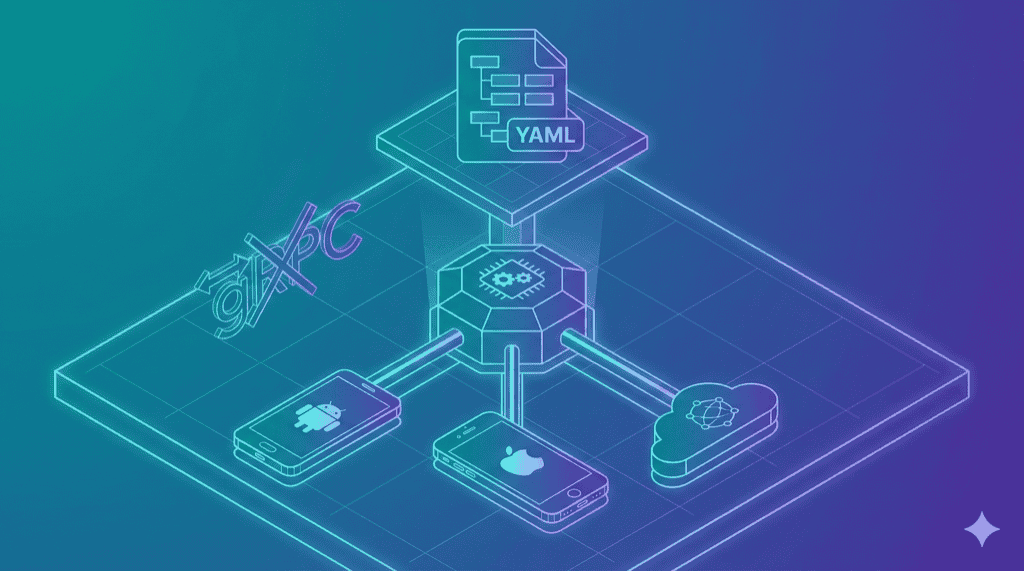
maestro-runner Architecture: Go, No gRPC
Why we chose Go, killed gRPC, and built a three-driver architecture. The technical decisions behind maestro-runner.

Mobile Testing in CI/CD: Optimize for Speed
45-minute pipelines cost you $100+/hour in developer time. Here's how to hit sub-10-minute feedback loops.
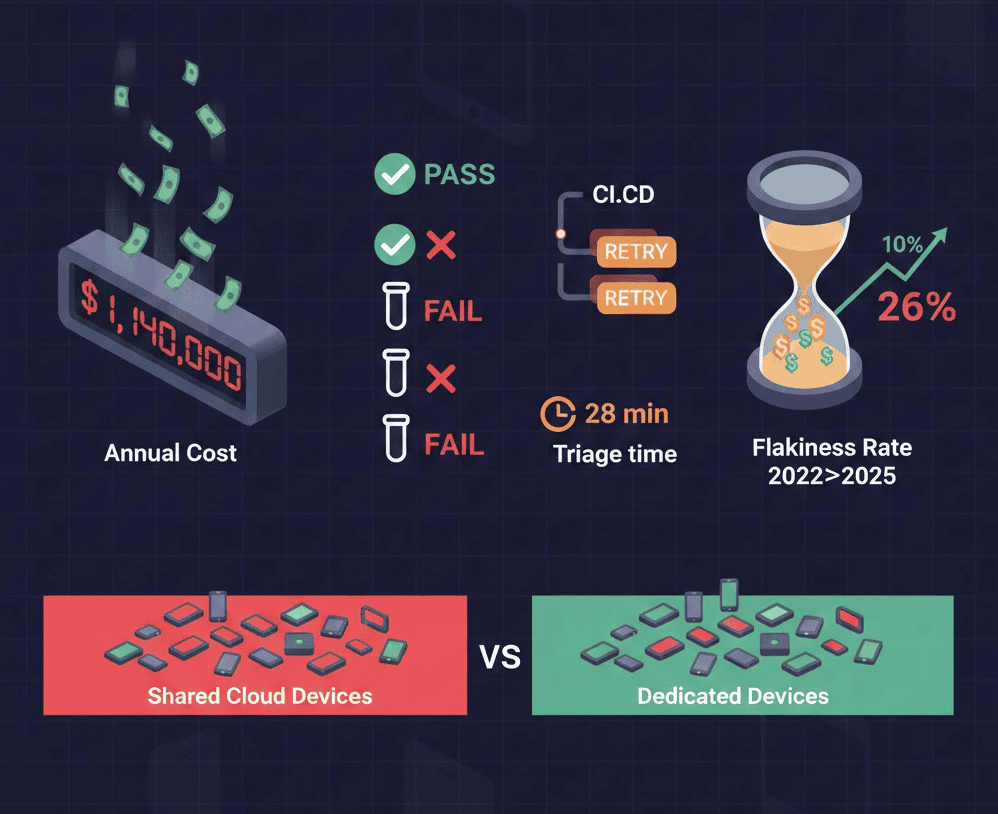
Flaky Mobile Tests Cost $57,600/Year
Flaky mobile tests waste 2-4 hours per developer per week. See the full cost breakdown and how teams are fixing it.

Sauce Connect Running Slow? TCP Meltdown
Your Selenium tests run fine locally. But the moment you route them through Sauce Connect, everything slows to a crawl.
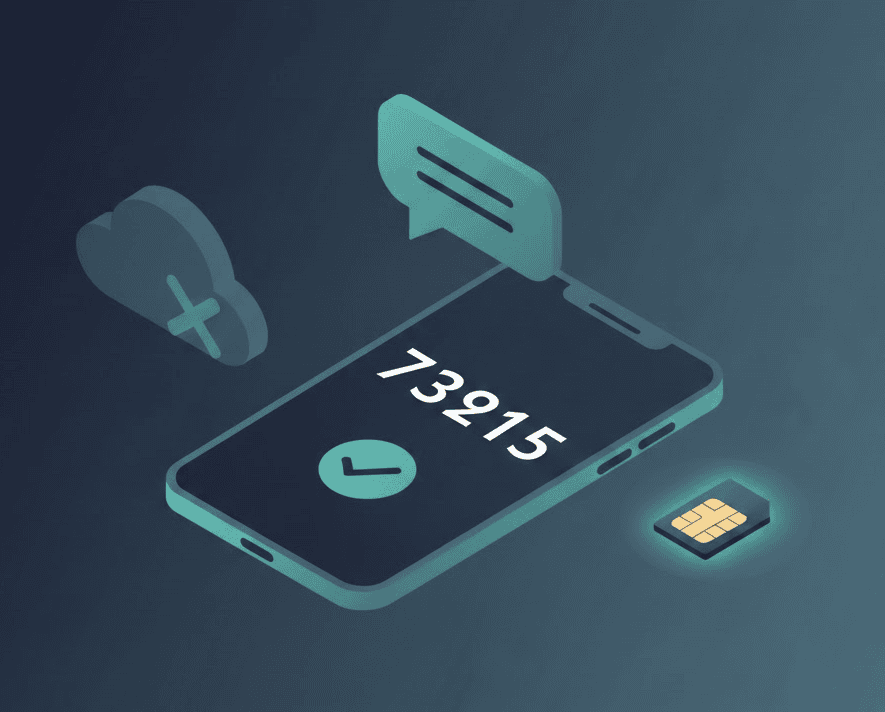
Testing OTP/SMS/2FA on Mobile Devices: Guide
Your staging environment uses 123456 as the OTP. Tests pass. CI is green. Then production users complain: 'I never received the code.'
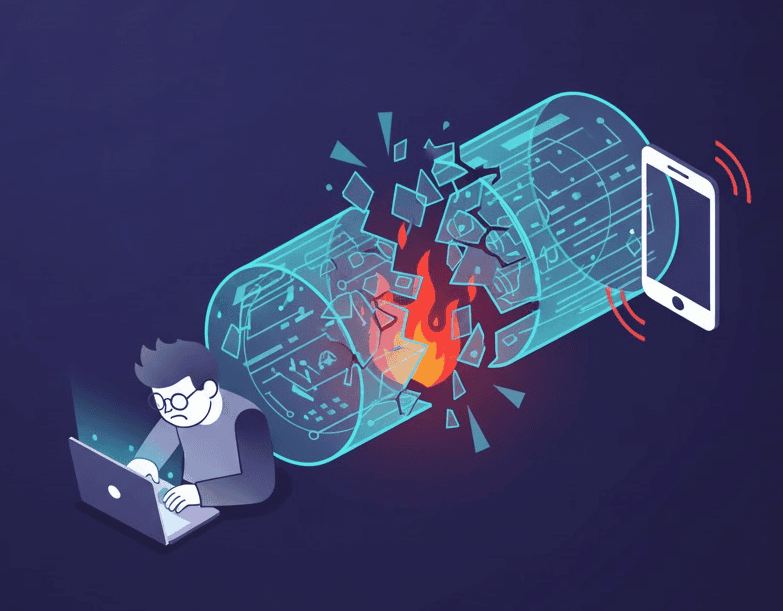
BrowserStack Local Dropping? 5 Real Fixes
Your CI pipeline failed again. The error log says 'BrowserStack Local connection dropped.' You're not alone.
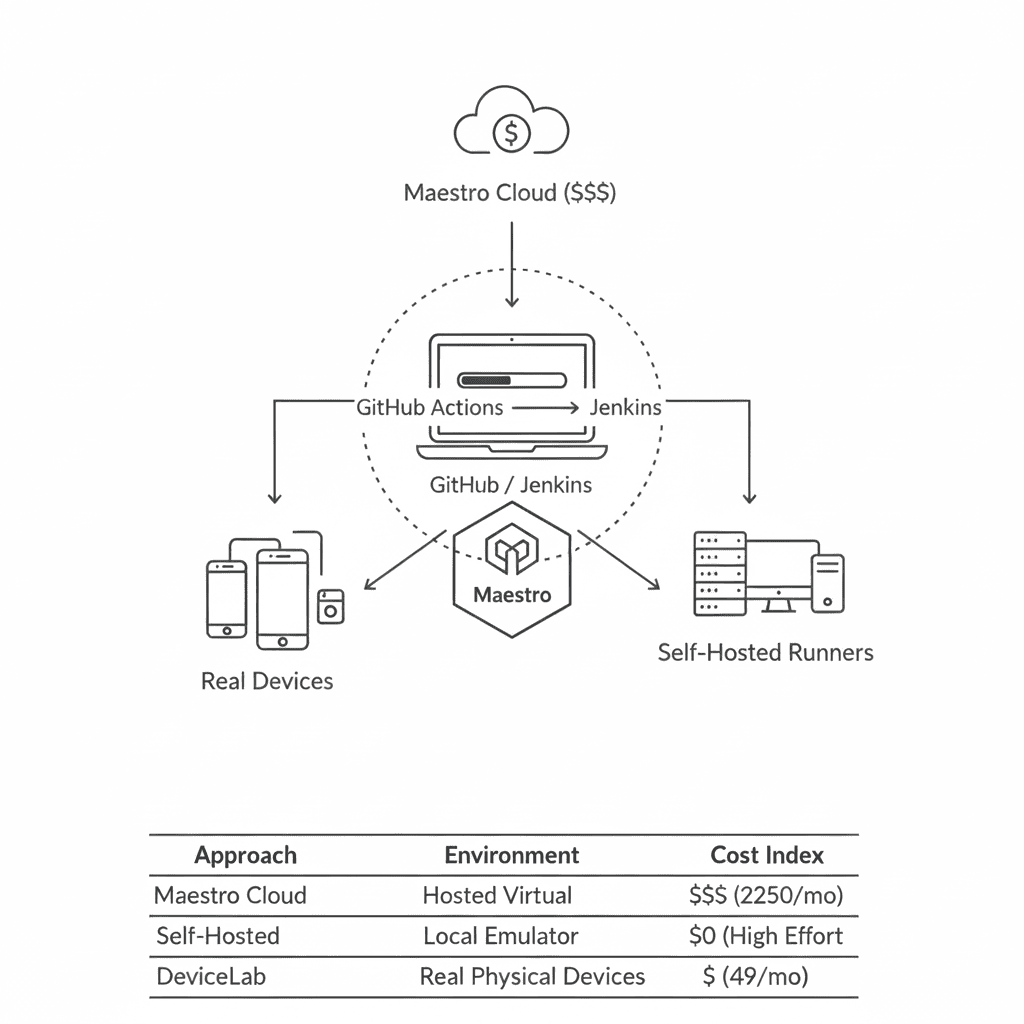
Maestro CI/CD Setup: GitHub Actions + Jenkins
Maestro Cloud costs $250/device/month. Here's how to run Maestro in CI using your own devices—for free.
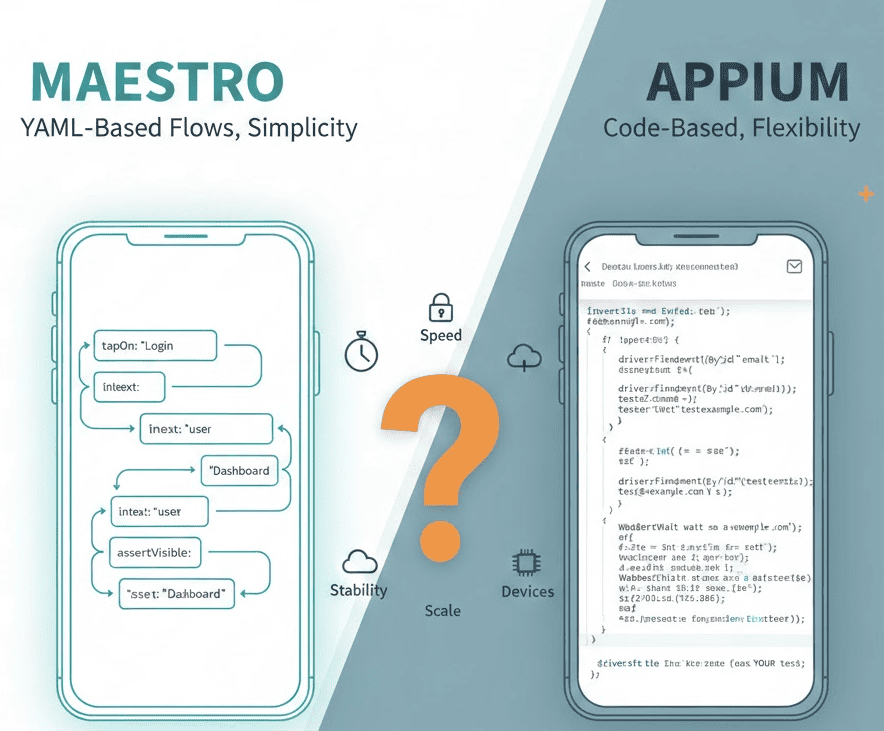
Maestro vs Appium: 10x Faster, With Caveats
Maestro runs 10x faster with simpler syntax. But iOS support is limited. Here's the complete picture.
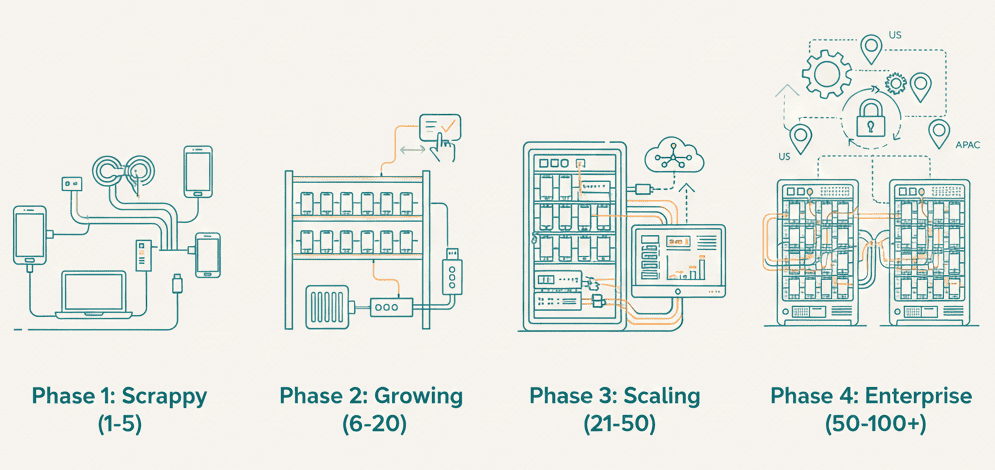
Scaling Mobile Test Infrastructure: From 10 to
The playbook for each growth phase—from your first device to a production-grade device lab.
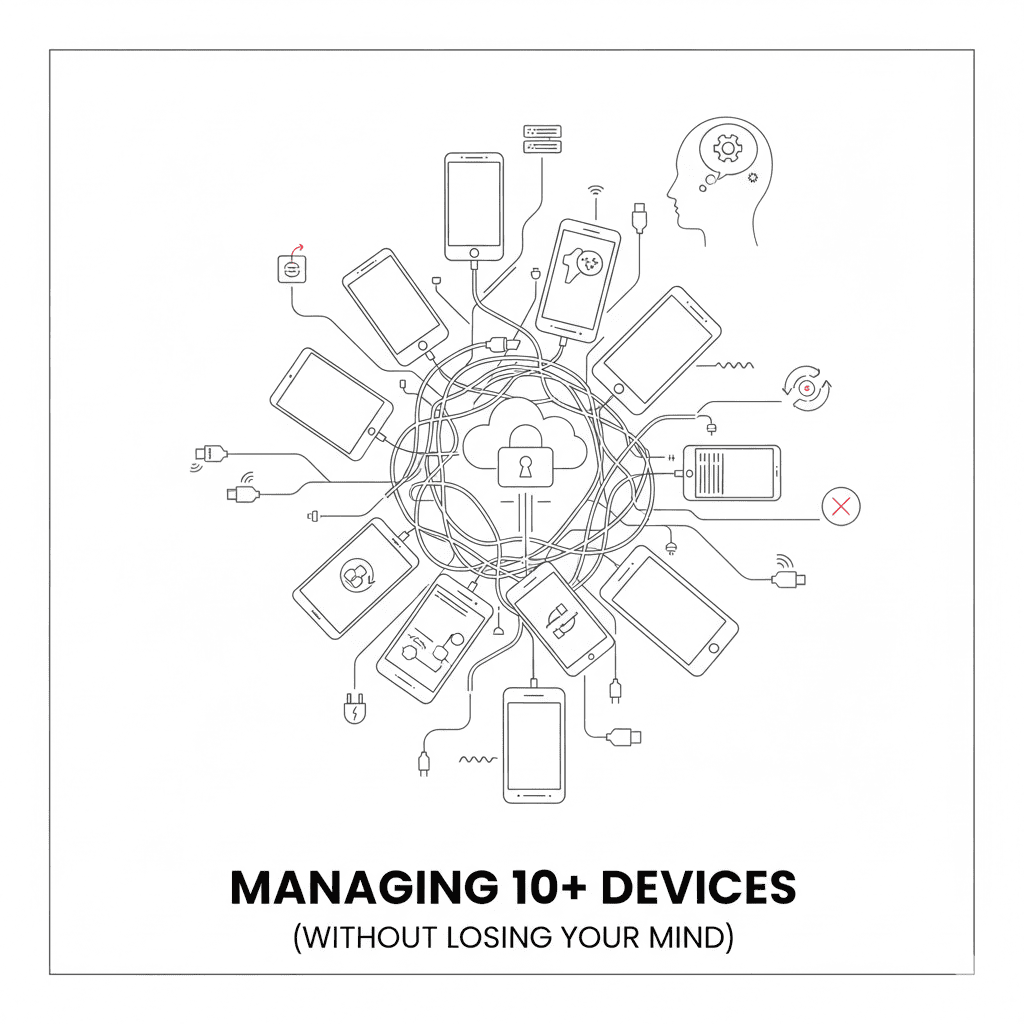
Managing 50+ Test Devices: Automation
USB disconnects, device state drift, parallel test conflicts—here's how to actually scale your device lab.
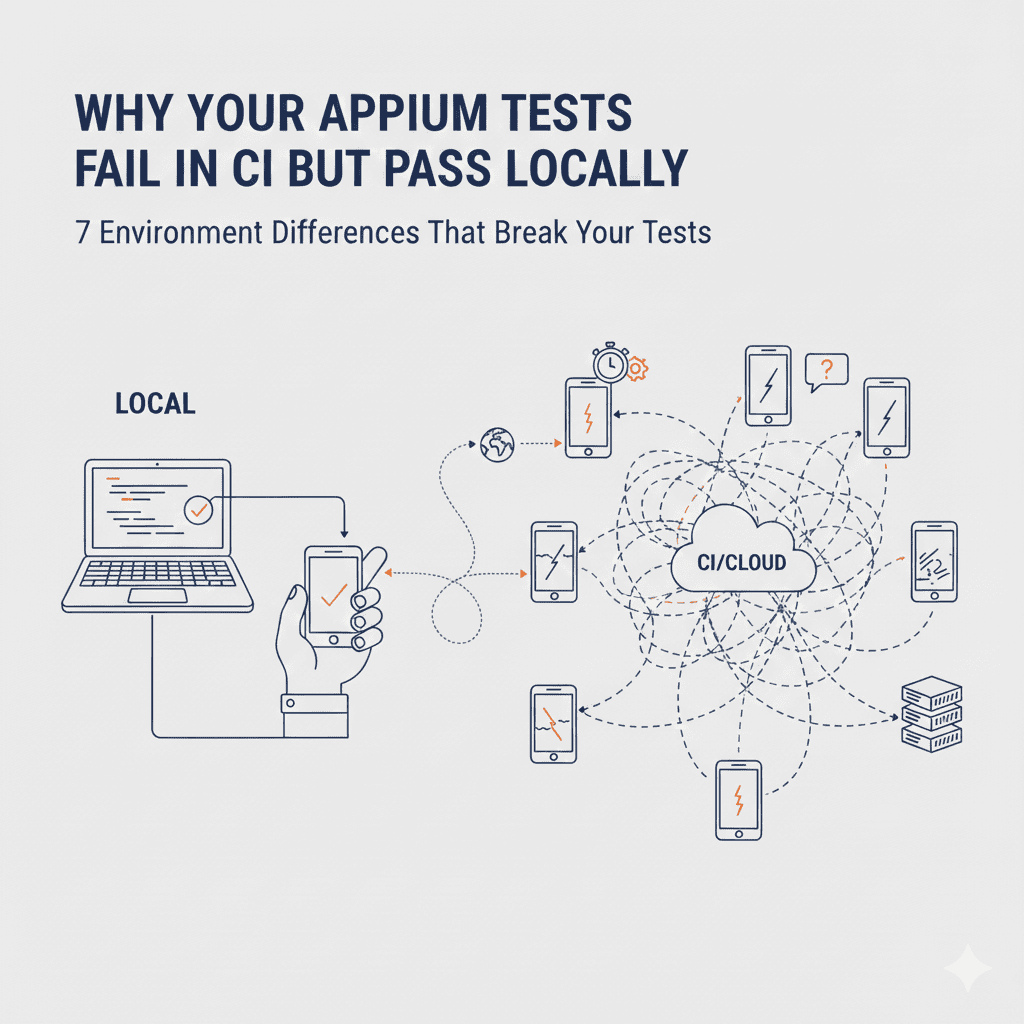
Appium Tests Fail in CI But Pass Locally?
7 environment differences that break your Appium tests in CI and how to fix each one with code examples.
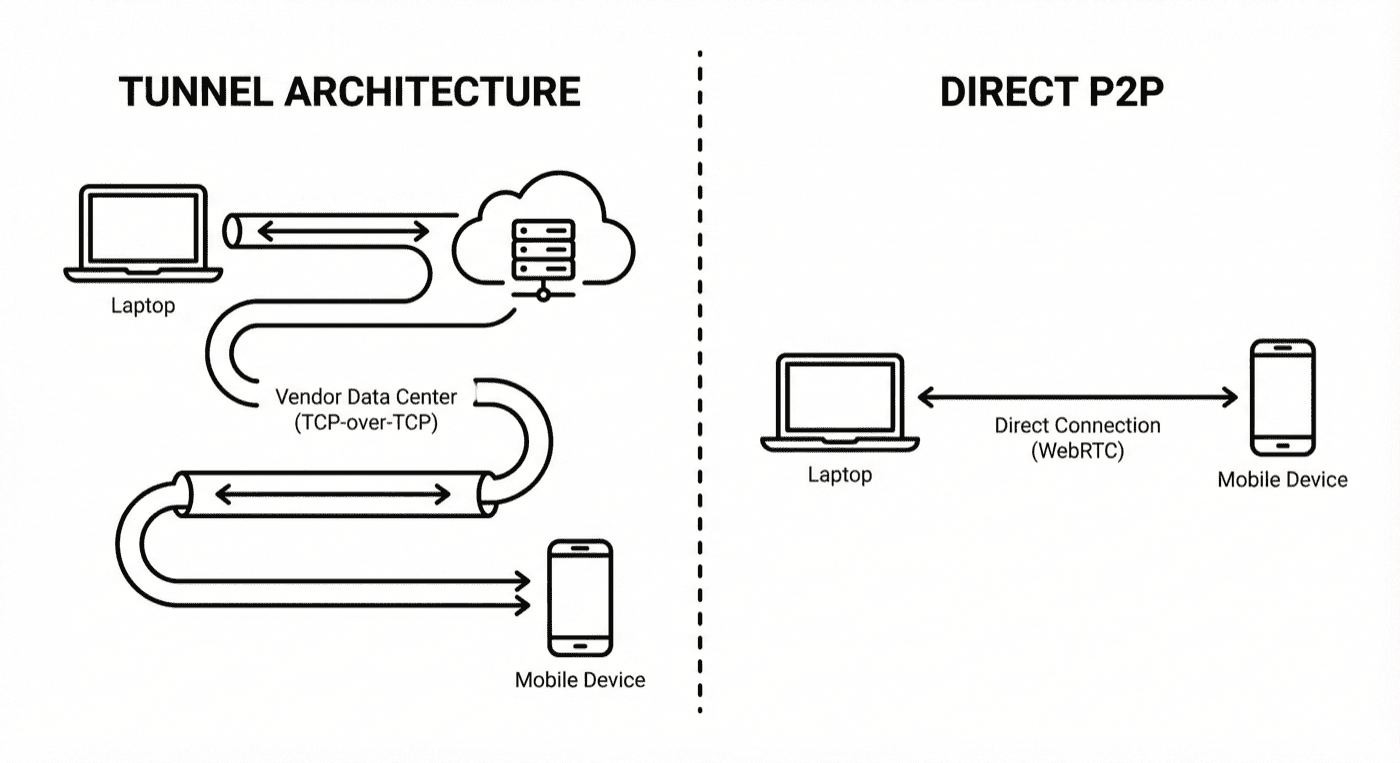
Localhost Testing Without Tunnels: How-To
Cloud device testing tunnels are slow and flaky. Here's the computer science behind TCP meltdown — and a better approach.
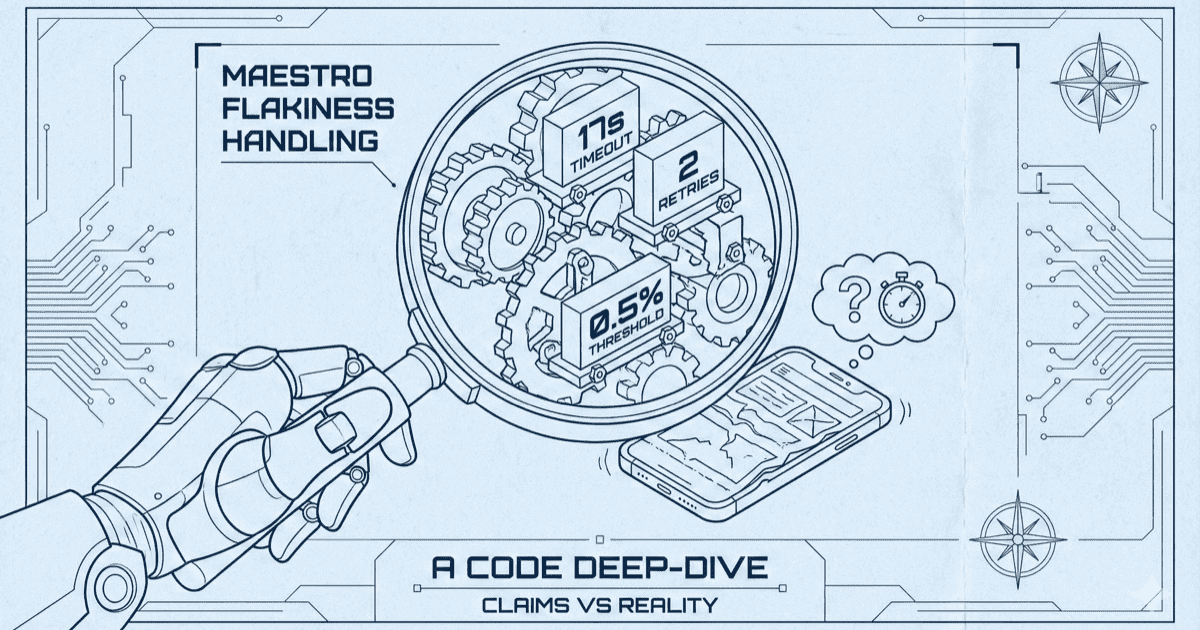
Maestro Flakiness: Deep Dive Into the Source
We analyzed Maestro's source code to see what 'built-in flakiness handling' actually means. Hardcoded timeouts, limited retries, and no configuration.
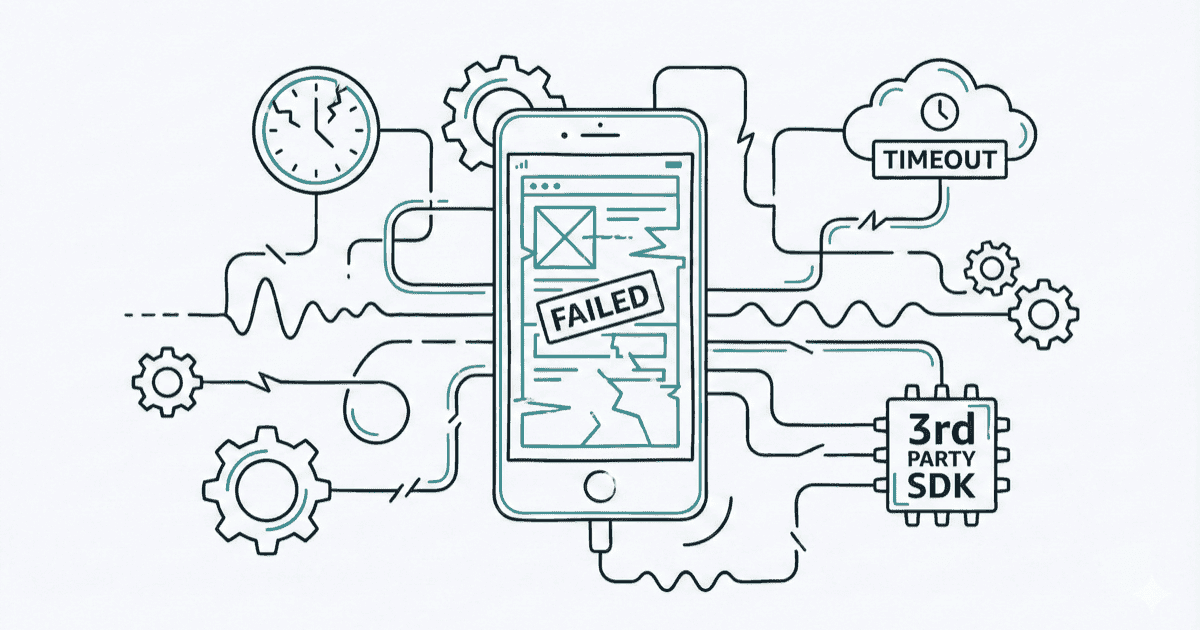
Maestro's Built-In Retry Isn't Enough—Here's
Real scenarios where Maestro's 'automatic' handling breaks down: slow CI, complex animations, third-party SDKs.
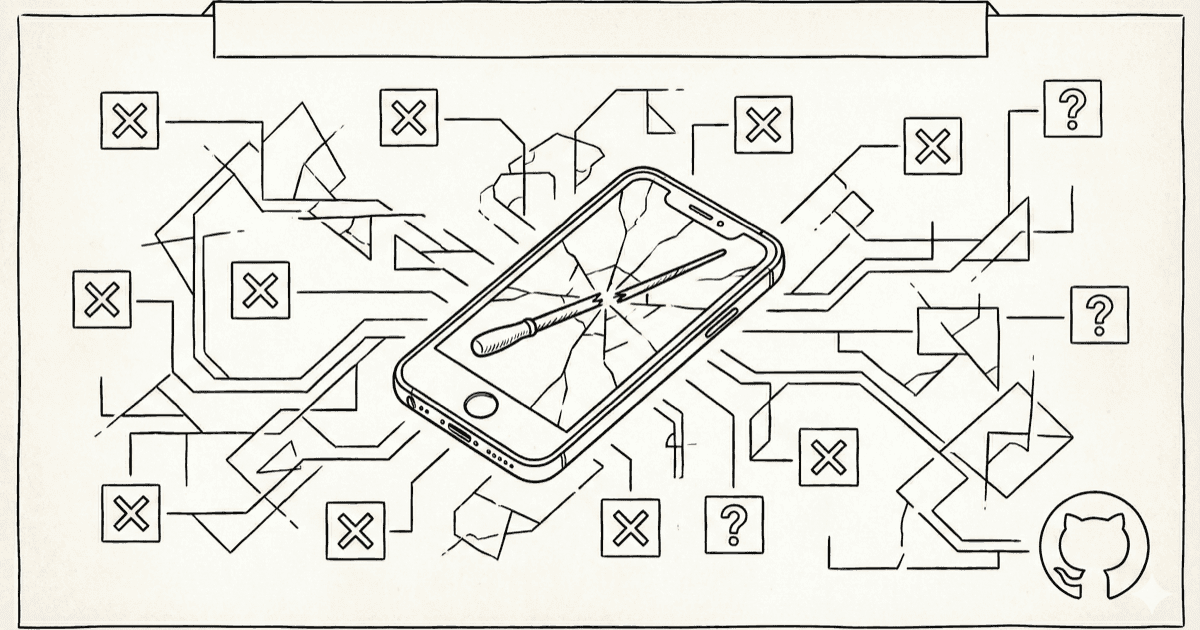
Maestro's Open GitHub Issues: 47 Flakiness
Real Maestro users reporting real problems: timeouts ignored, assertions failing on visible elements, taps that don't work.
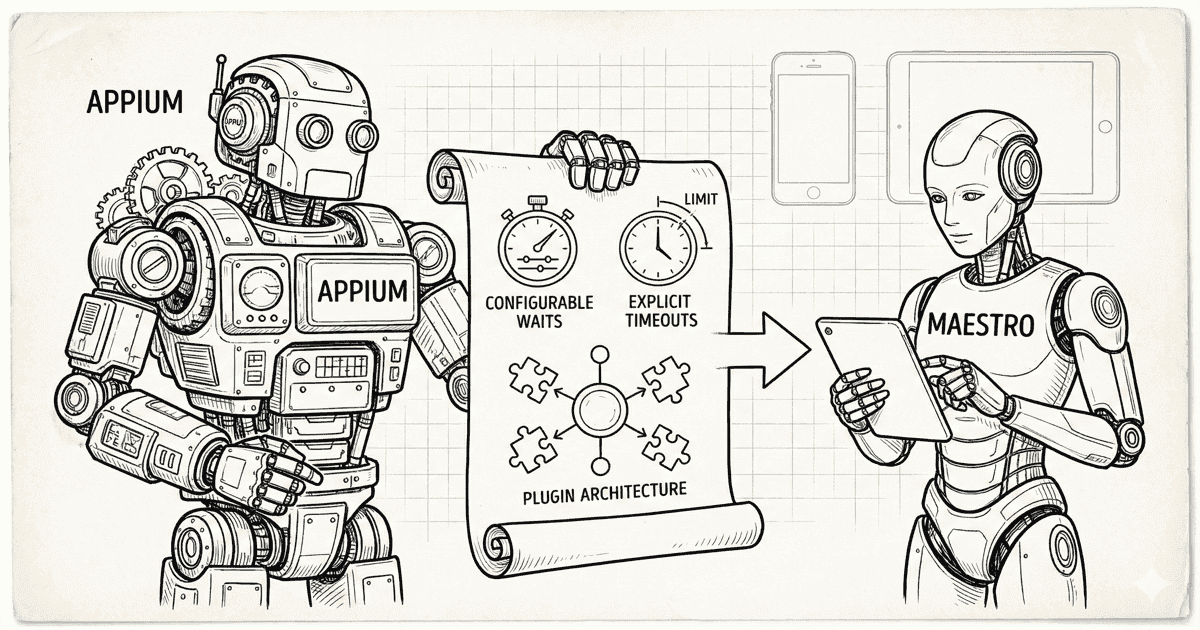
What Maestro Learned from Appium's Mistakes
10+ years of battle-tested patterns: configurable waits, explicit timeouts, plugin architecture.
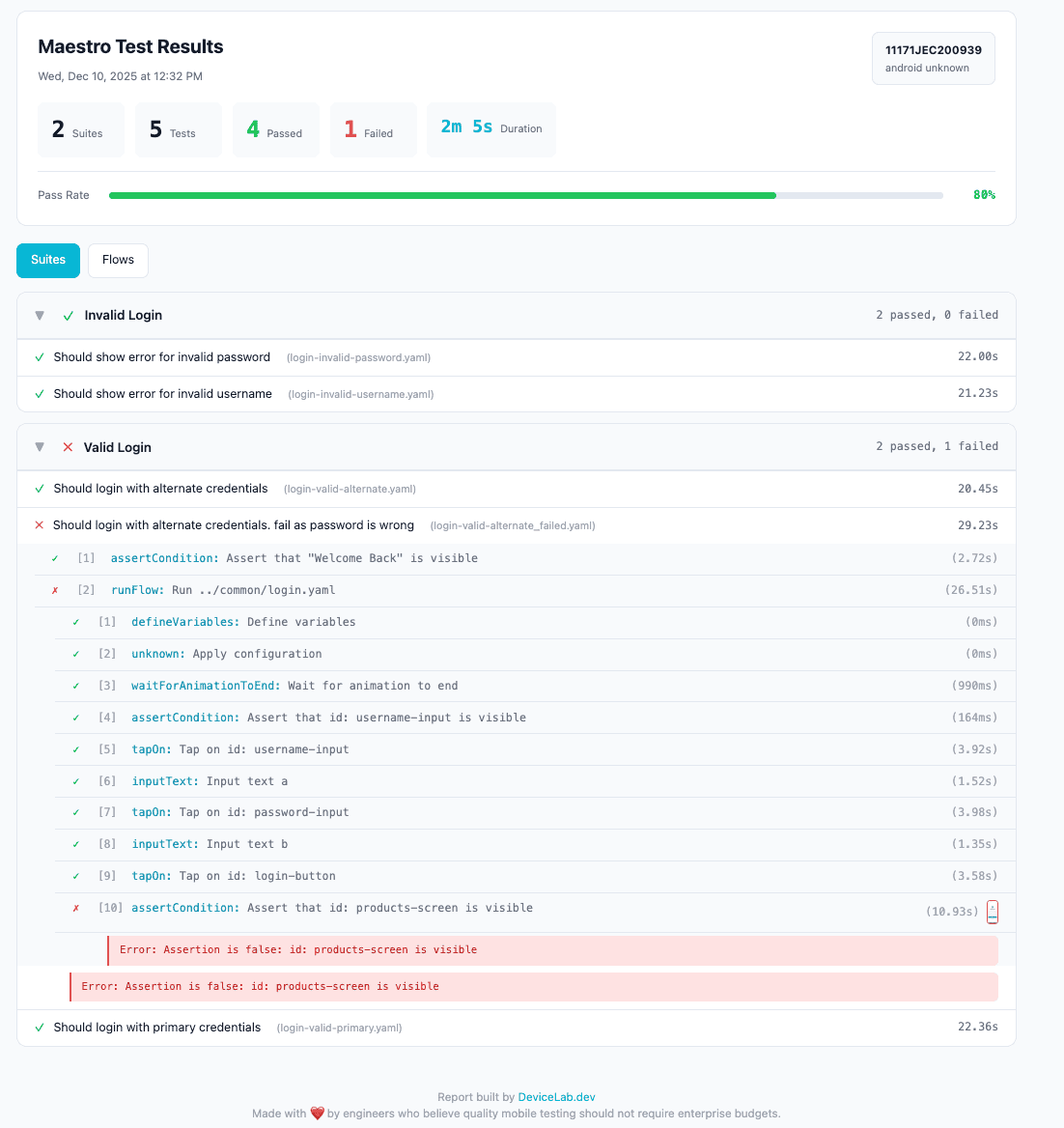
Maestro Reports Are Broken—How to Get JUnit,
Maestro's native reporting is bare-bones. Here's a solution that adds proper reports.
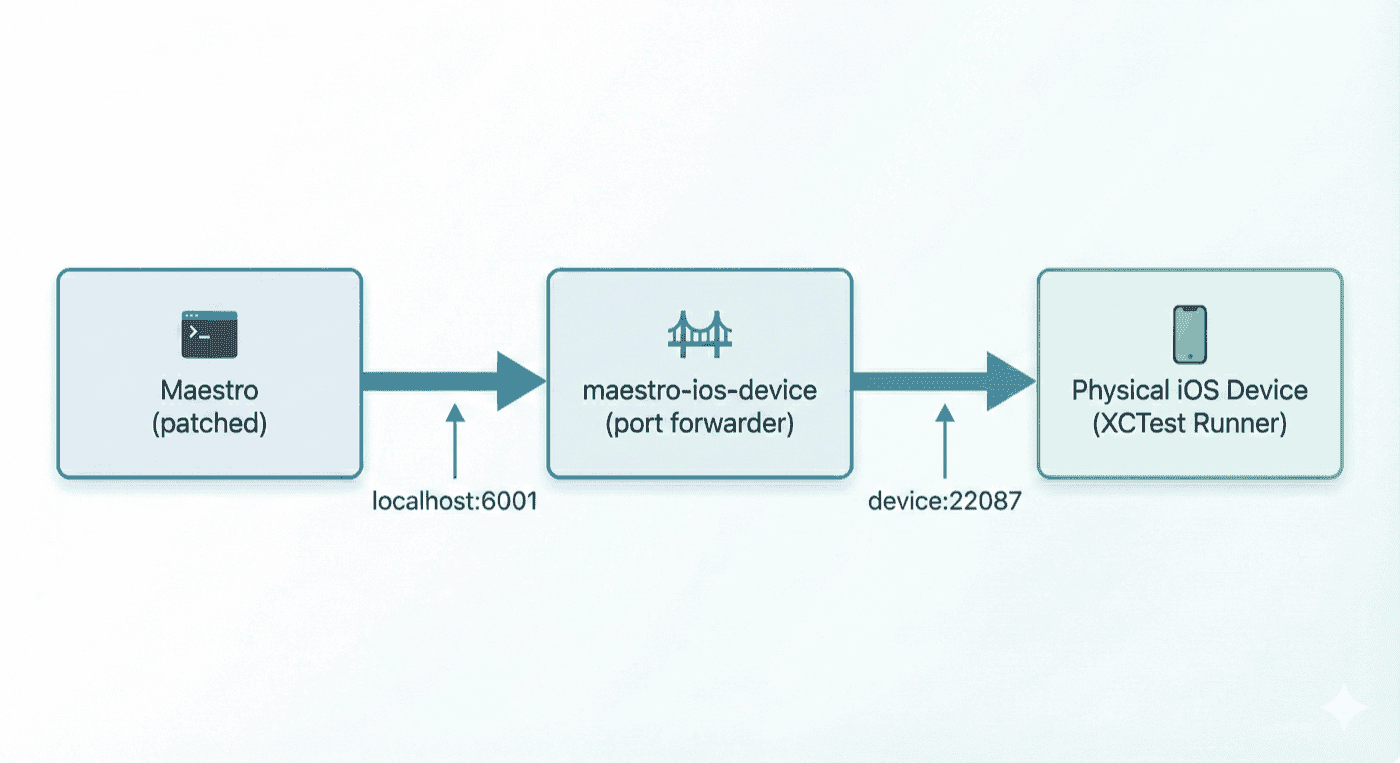
Maestro on Real iOS Devices: The Complete Guide
Maestro doesn't officially support physical iPhones. Here's a working solution.