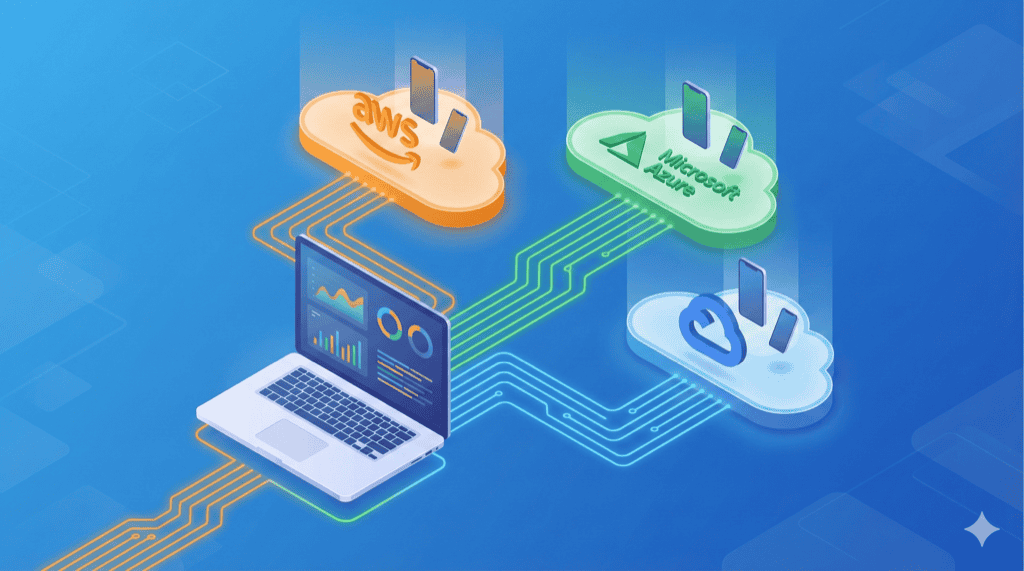
Run Maestro Flows on Any Cloud Provider
Three flags. Zero flow changes. Run your Maestro YAML on BrowserStack, Sauce Labs, or any Appium-compatible cloud provider.
Introducing maestro-runner
Open-source, Go-based drop-in replacement for Maestro. Same YAML, no JVM. Addresses 78% of Maestro's top 100 open GitHub issues.

1,319 Maestro Issues: Data-Driven Dev
We scraped every open Maestro issue and built the entire project around what we found. Two architectural decisions cause most of the pain.
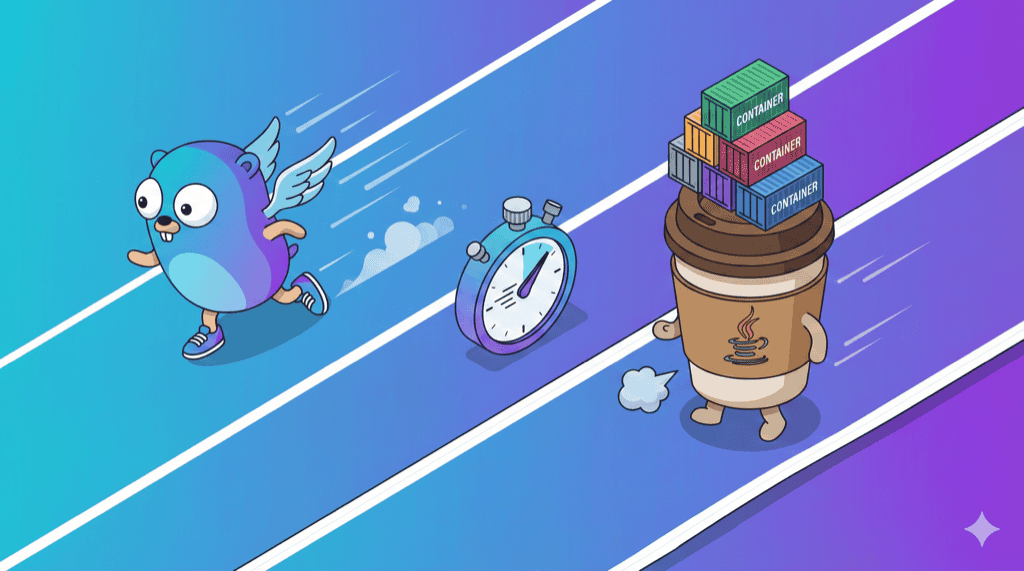
maestro-runner Benchmarks vs Maestro
Head-to-head on 8 real test flows. 2-3.6x faster execution, 13x less RAM, and zero JVM startup tax.
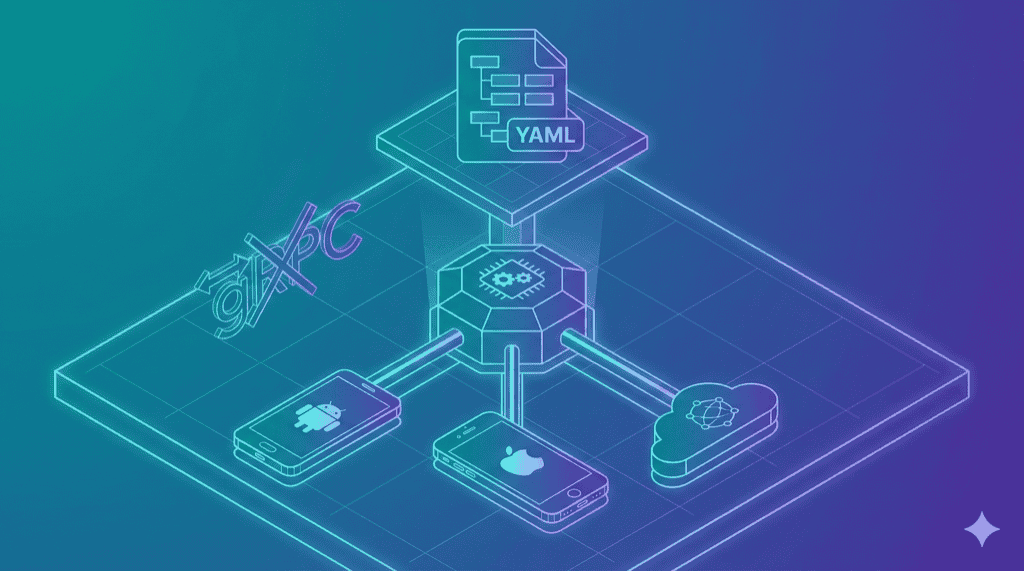
maestro-runner Architecture: Go, No gRPC
Why we chose Go, killed gRPC, and built a three-driver architecture. The technical decisions behind maestro-runner.
100% Free: No Features Behind Paywalls
Every feature ships free under Apache 2.0. No enterprise tier, no cloud upsell. Here's exactly how we sustain the project.
HeadSpin Review 2026: After the Fraud
The founder went to prison. The company sold for cents on the dollar. Is HeadSpin still worth using?
Maestro CLI Reference: Commands & Examples
Every Maestro command, flag, and config option in one place. The missing documentation.
LambdaTest SSL Certificate Error? Complete Fix
Fix SSL_CERTIFICATE_VERIFY_FAILED, certificate chain errors, and MITM mode for local testing.
Flutter Testing: Maestro vs Patrol vs Appium
Which Flutter E2E framework actually works? Code examples and real comparisons.
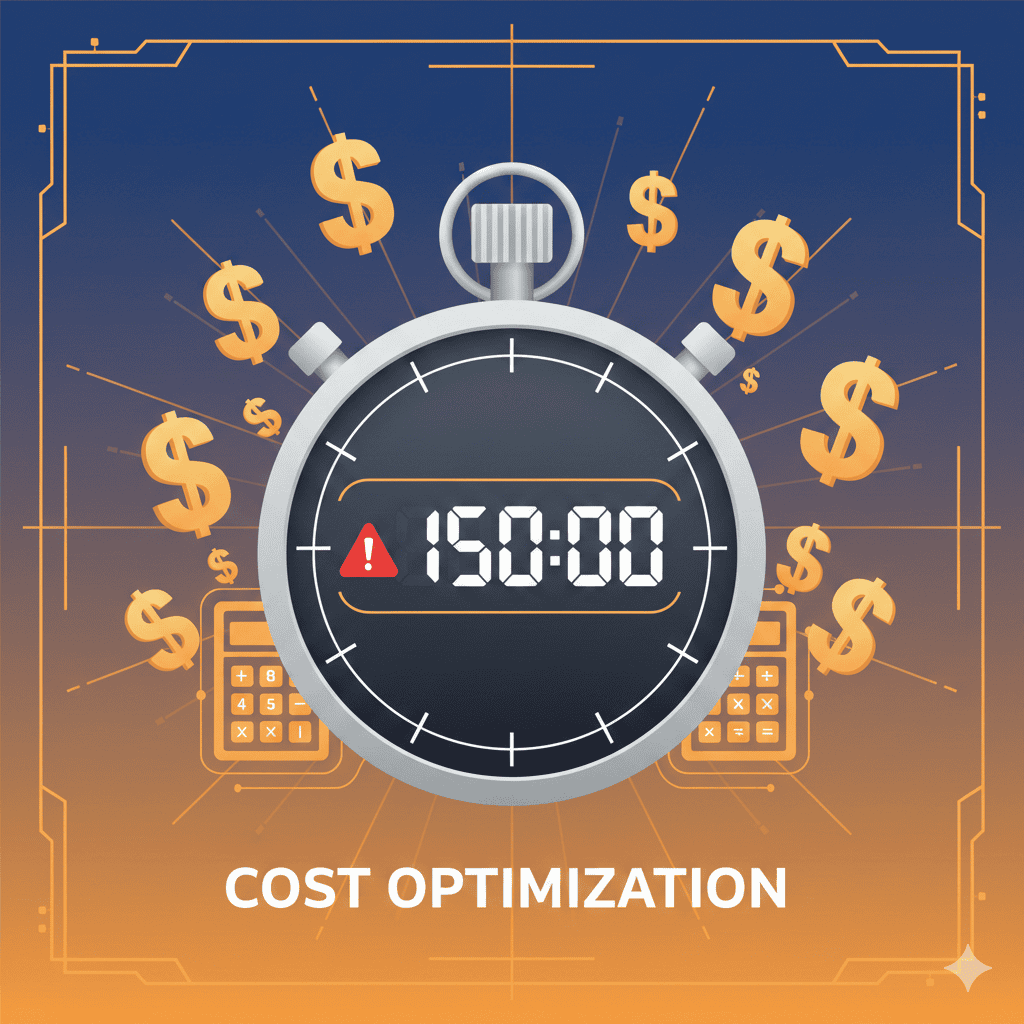
AWS Device Farm Pricing: Only Flat-Rate Option
The 150-minute hard limit catches teams off guard. Here's what you'll actually pay and when alternatives make sense.
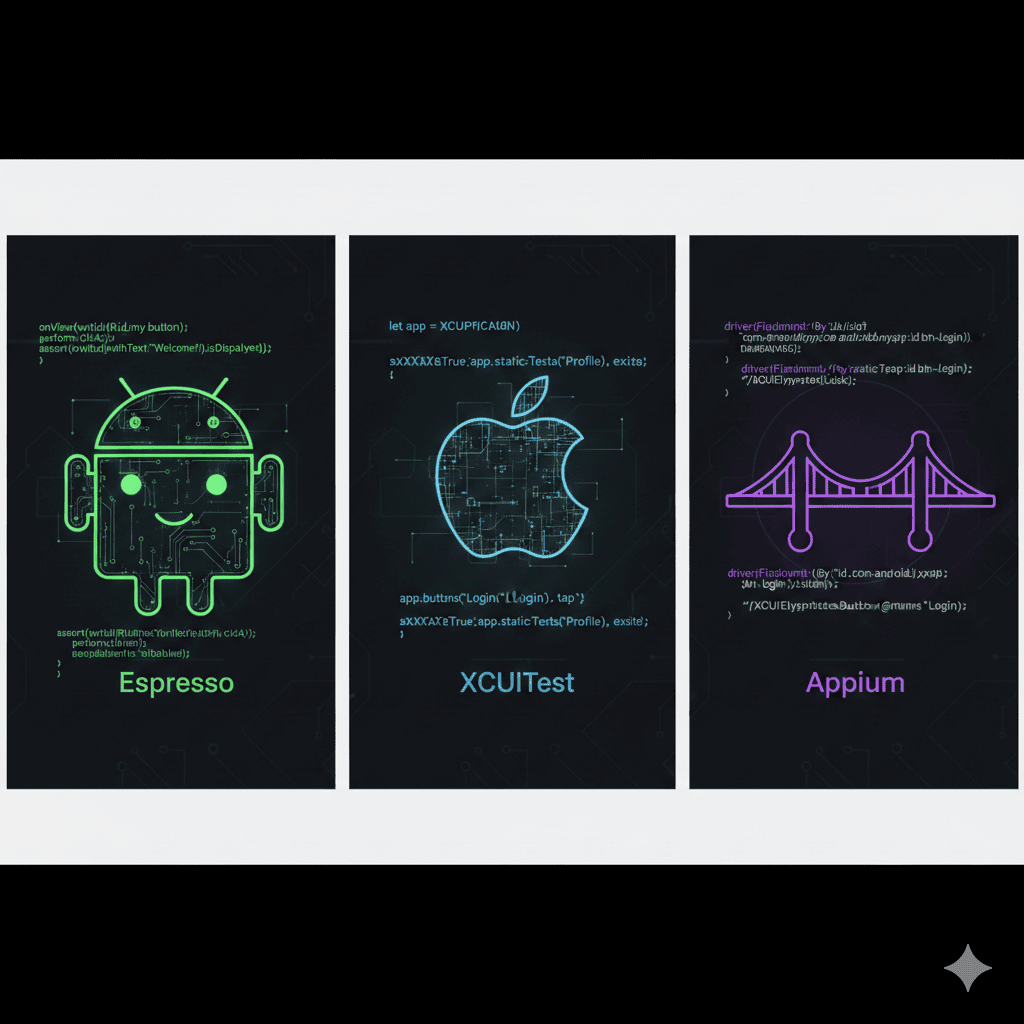
Espresso vs XCUITest vs Appium: Which Framework
Native frameworks are 3-6x faster than Appium. But cross-platform has its place. Here's how to choose.

Best Mobile Testing Tools 2026: 15 Compared
Appium, Espresso, XCUITest, Maestro, and Detox compared. Which framework fits your stack?
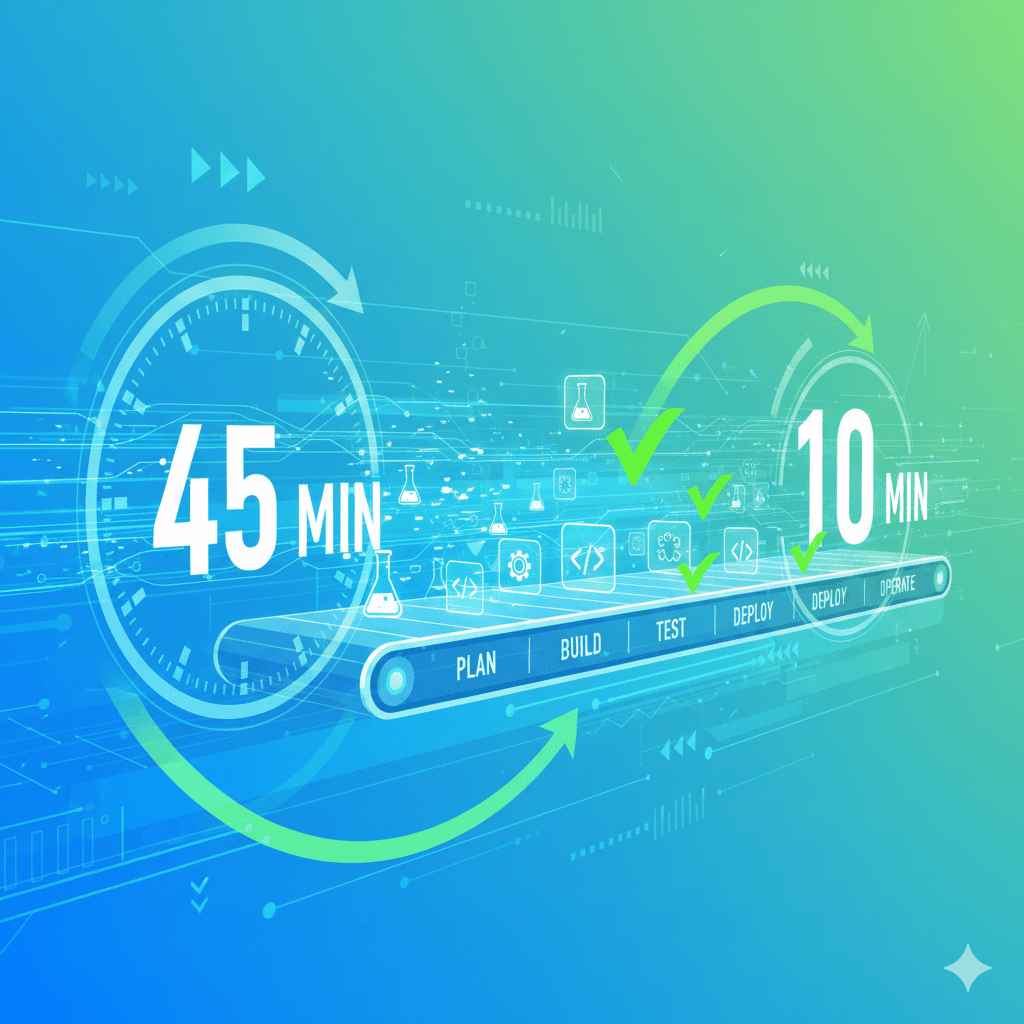
Mobile Testing in CI/CD: Optimize for Speed
45-minute pipelines cost you $100+/hour in developer time. Here's how to hit sub-10-minute feedback loops.
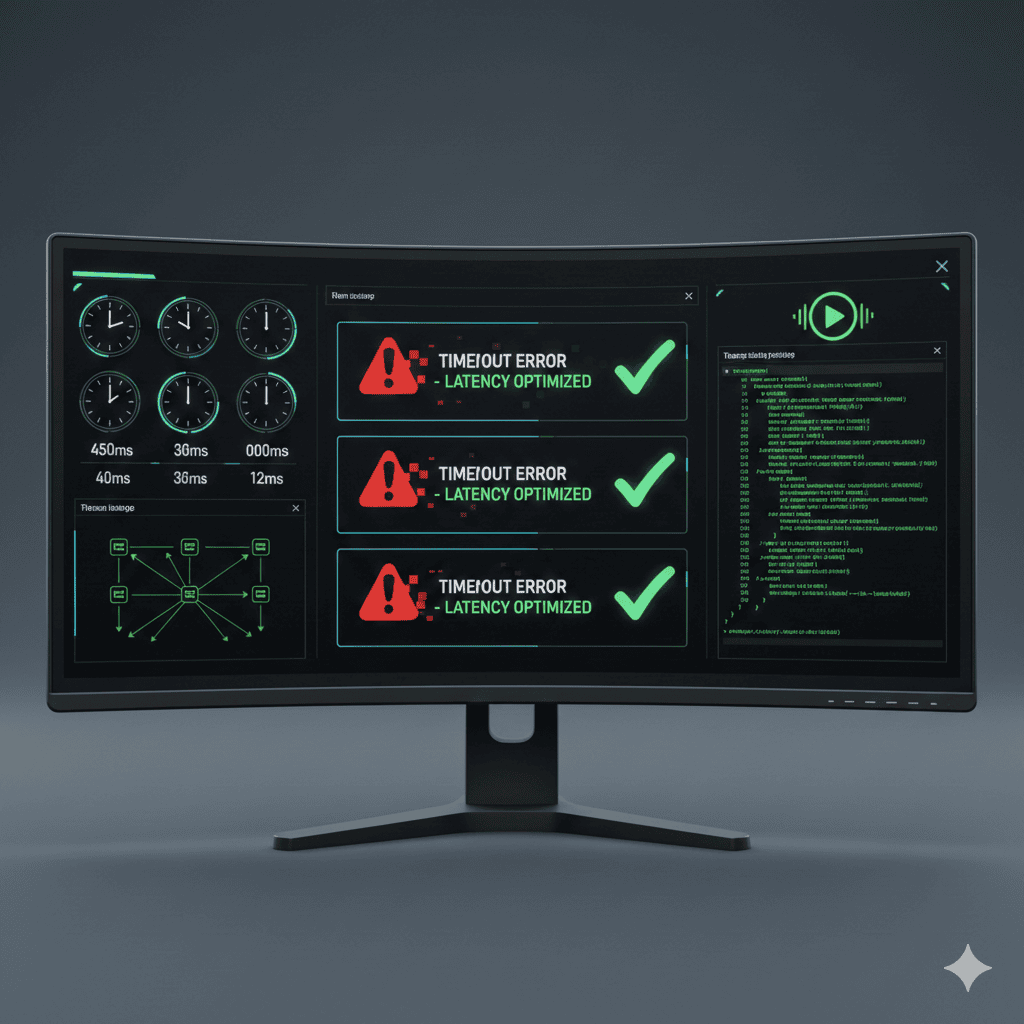
BrowserStack Tests Timing Out? Debugging Guide
IDLE_TIMEOUT, SO_TIMEOUT, and Local drops. Here's why they happen and how to fix them.
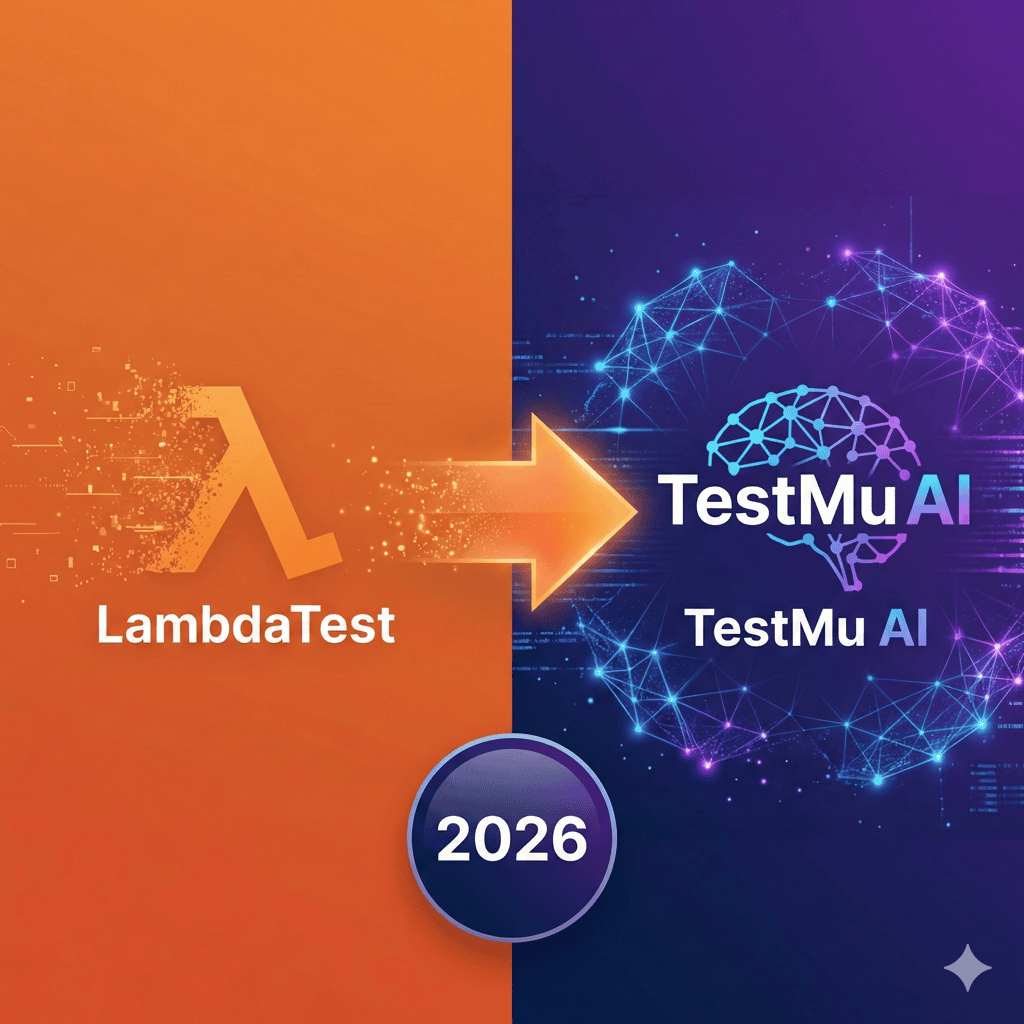
LambdaTest Becomes TestMu AI: What Changes for
Breaking down what the rebrand means for your mobile testing — and what hasn't changed despite the new name.
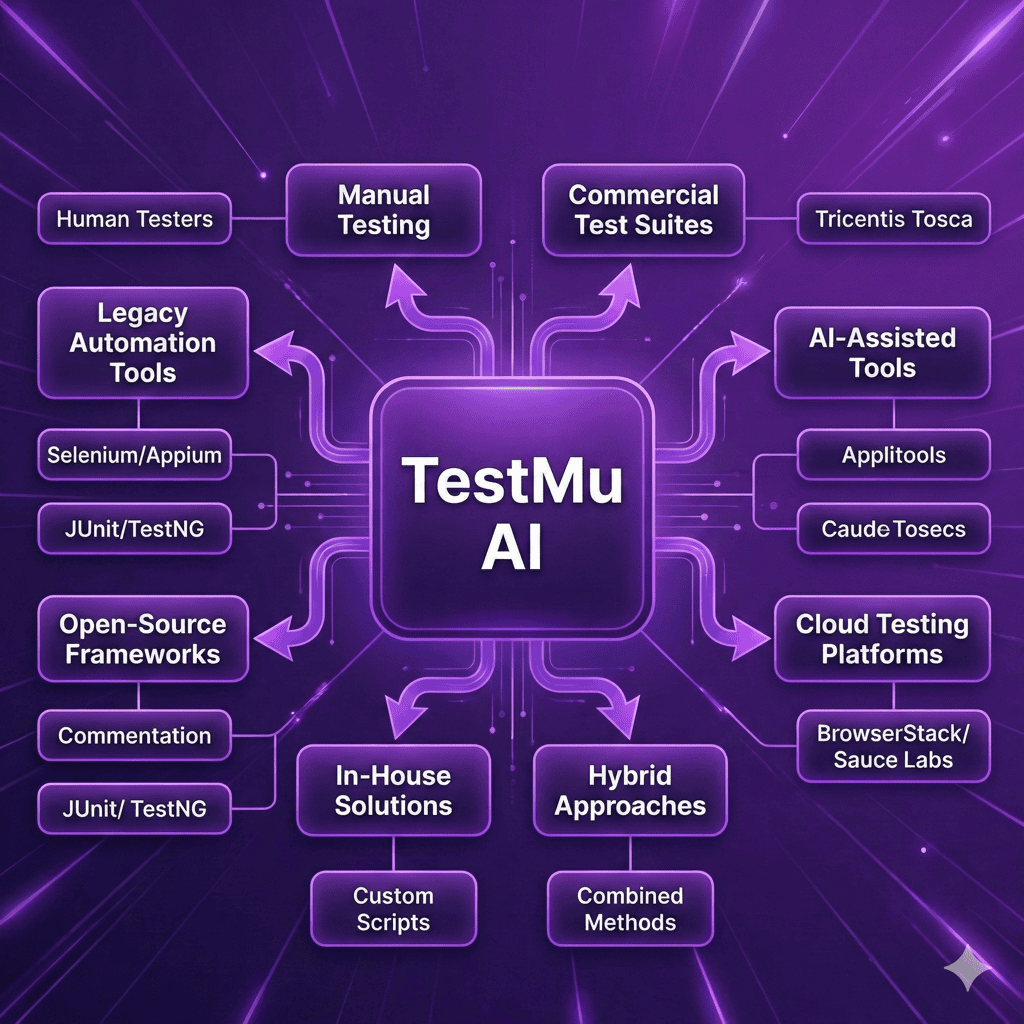
TestMu AI Alternatives: 2026 Comparison
LambdaTest rebranded, but the architecture didn't change. Here are alternatives worth considering.
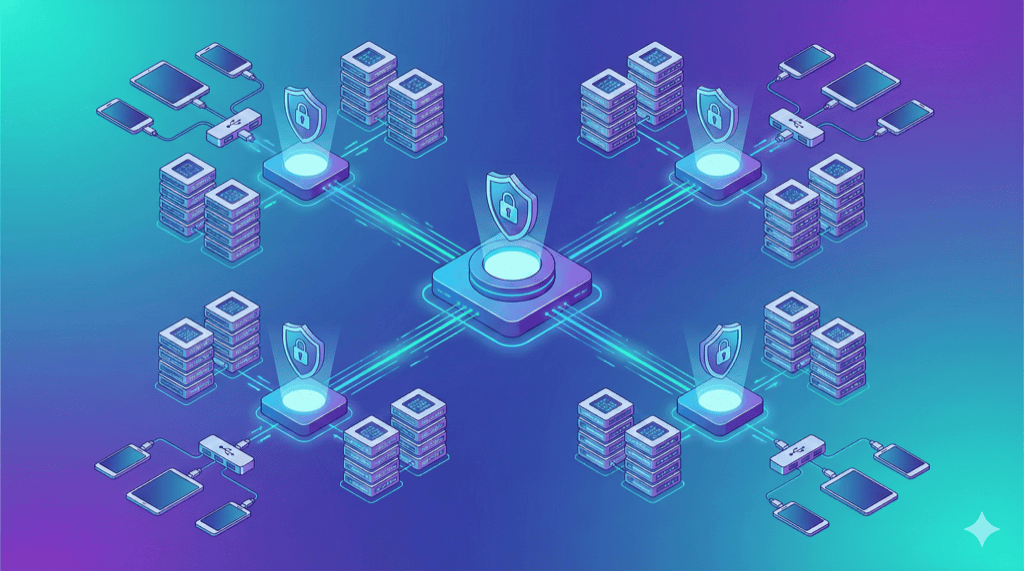
Private Device Cloud Architecture: Zero-Trust
Architecture patterns for building enterprise-grade private device infrastructure with zero-trust design.
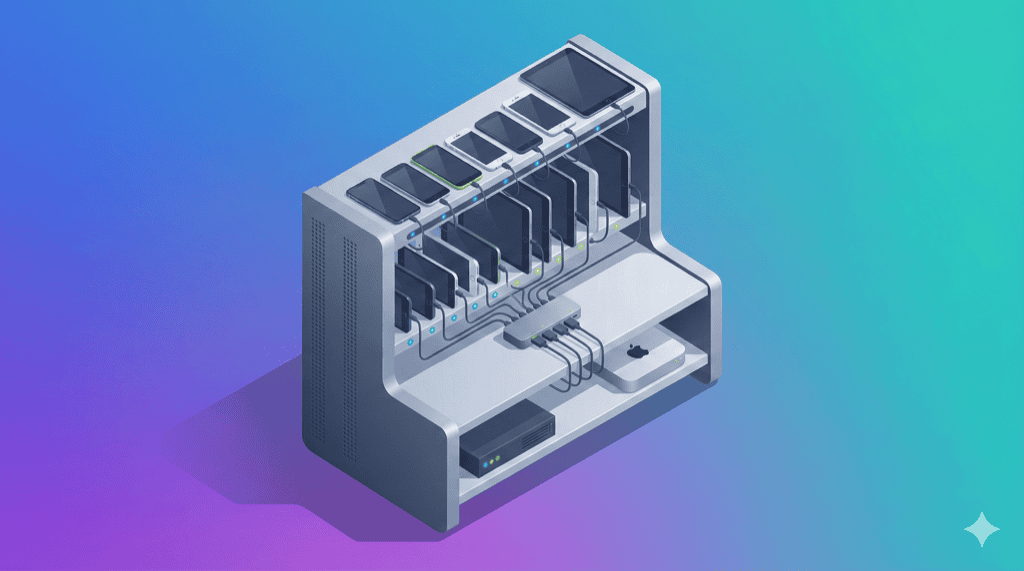
How to Build a Mobile Device Lab in
Build your own mobile testing lab with real devices. Hardware selection, software stack, cost breakdown, and lessons from enterprise teams.

BrowserStack Pricing: The Hidden Costs
$199/month is for 1 parallel. Most teams need 10-25, costing $24K-60K/year. Here's what they don't tell you.
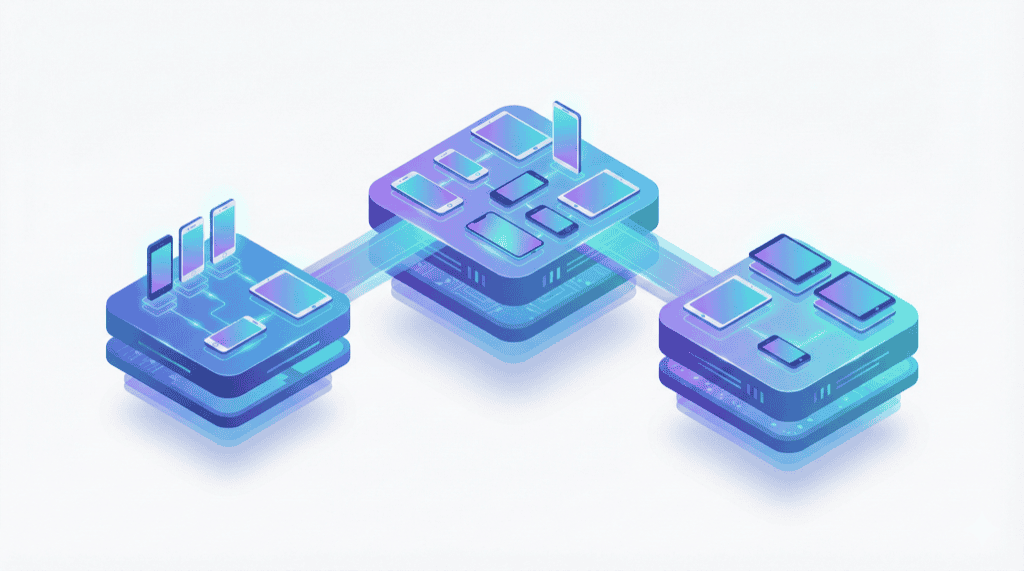
BrowserStack Alternative: 5 Options Compared
Looking for BrowserStack alternatives? Compare Sauce Labs, LambdaTest, AWS Device Farm, and DeviceLab by pricing and features.
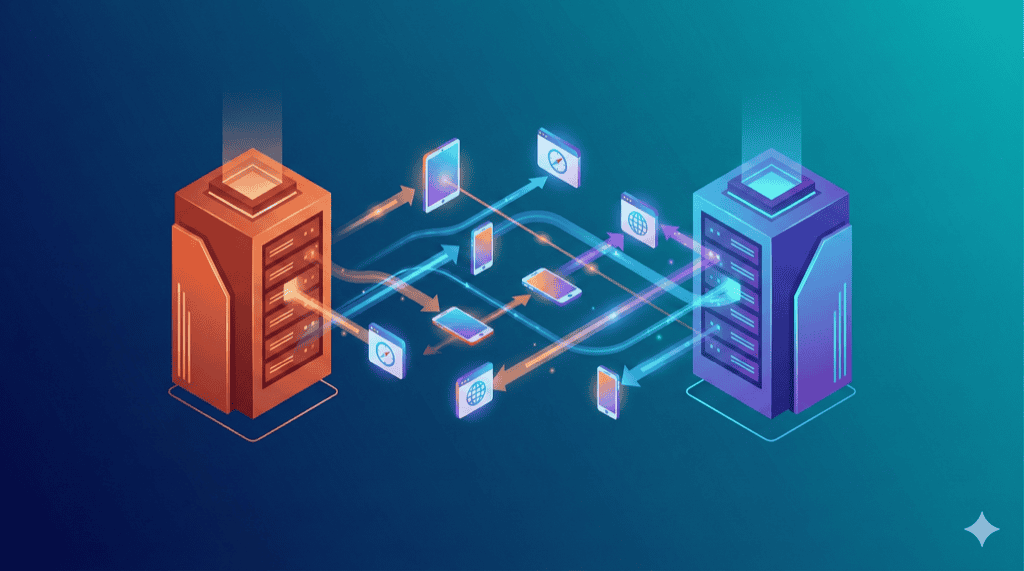
BrowserStack vs LambdaTest: 10K-Test Results
Compare BrowserStack and LambdaTest (TestMu AI) pricing. LambdaTest is 20-40% cheaper, but BrowserStack has 30K+ devices.

Appium Flaky Tests? 7 Fixes That Actually Work
Tests pass 8/10 times? ~45% of flakiness is timing issues. Here's how to fix synchronization, locators, and test data.

Is TestMu AI the Same as LambdaTest? (Yes,
Short answer: Yes. Long answer: Here's everything that changed in the rebrand.
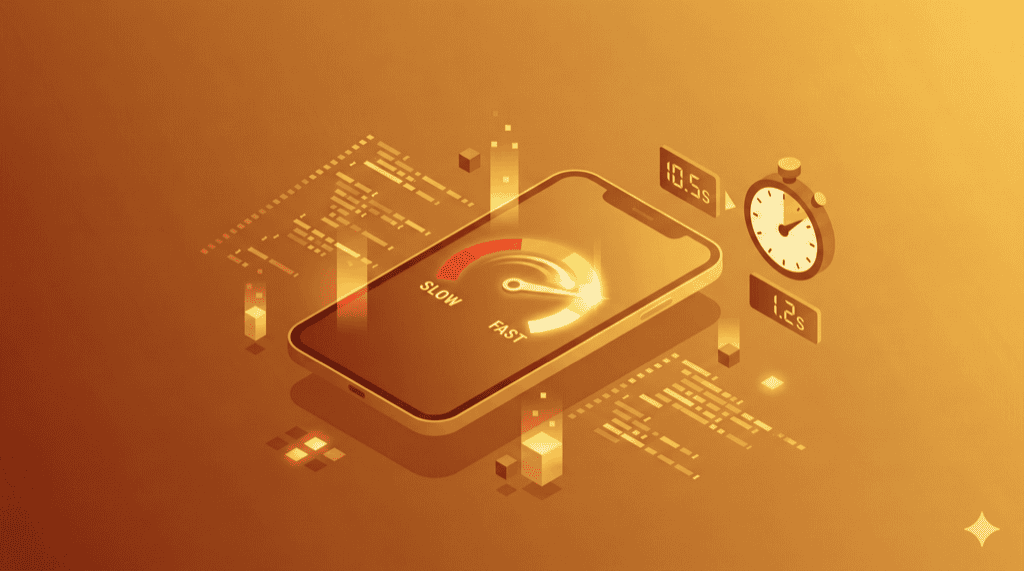
Appium Running Slow? 7 Fixes That Cut Test Time
Appium tests run 3-6x slower than native frameworks. Here are 7 fixes that reduced our suite execution time by 60%.
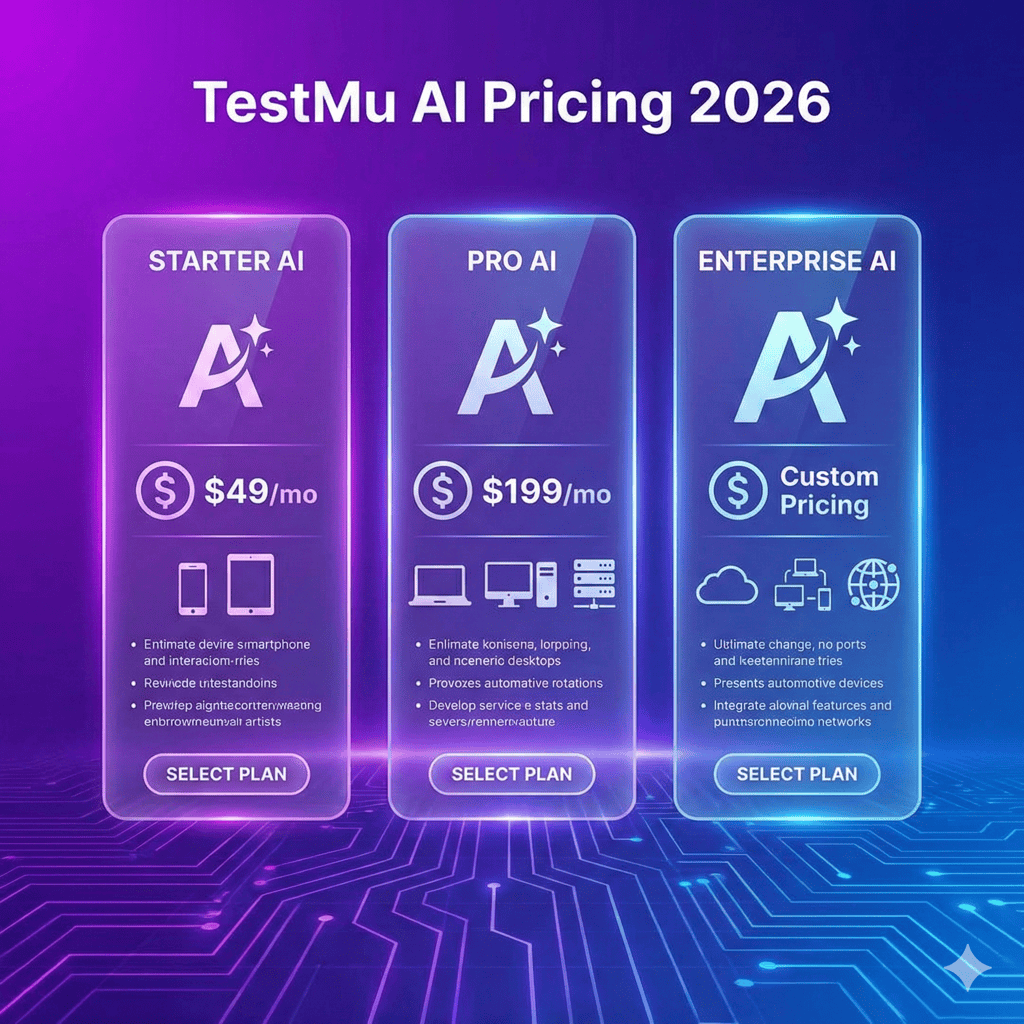
TestMu AI Pricing: Same LambdaTest Costs, New
LambdaTest rebranded to TestMu AI. Here's what the pricing actually looks like now.

Emulator vs Real Device Testing: When Each
Emulators miss hardware bugs, performance issues, and manufacturer customizations. Here's when to use each.

Build vs Buy Device Lab: Cost Analysis for
Should you build your own device lab or use cloud testing? Complete cost breakdowns with breakeven analysis for 10, 20, and 50 device scenarios.
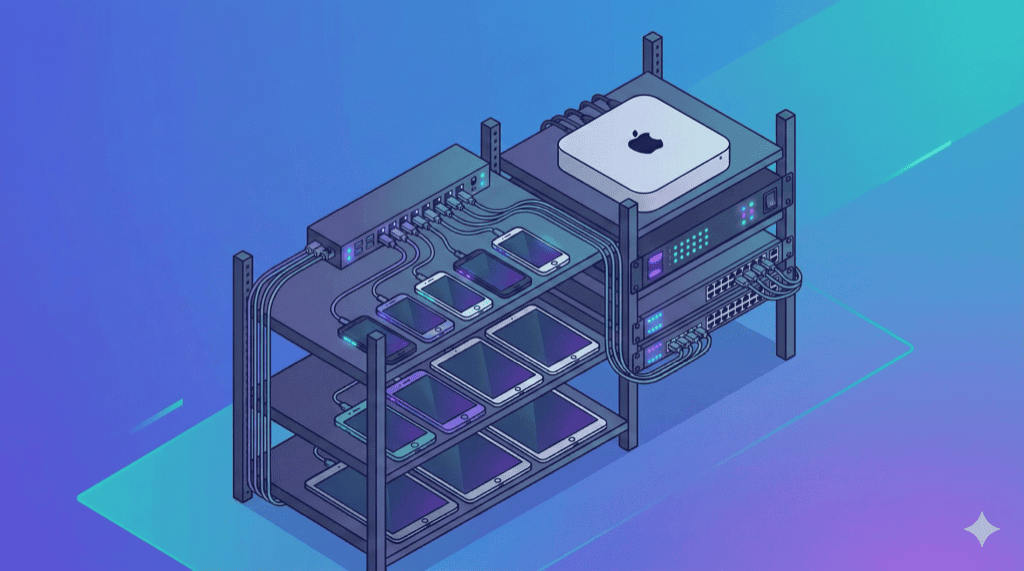
Device Lab Hardware Requirements: Shopping List
Detailed hardware requirements for building a mobile device testing lab. USB hubs, host computers, cables, power management, and infrastructure specs.
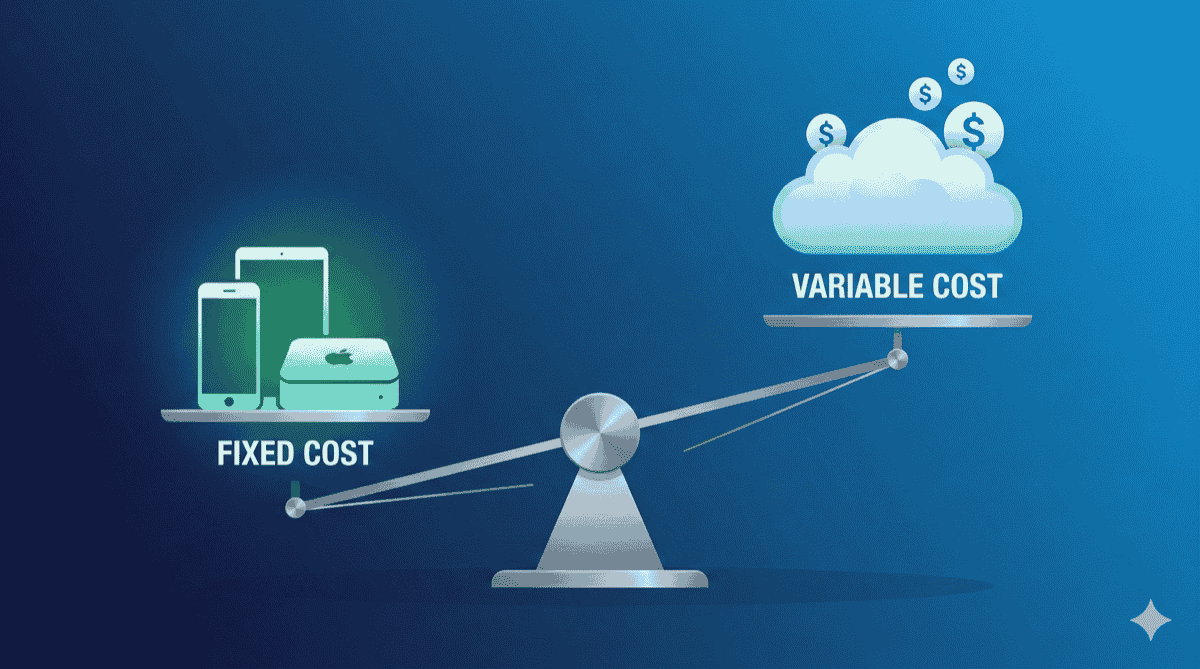
Hybrid Device Lab Strategy: Own + Cloud for
Your Firebase analytics already know which devices matter. Stop paying cloud prices for tests that should run locally.
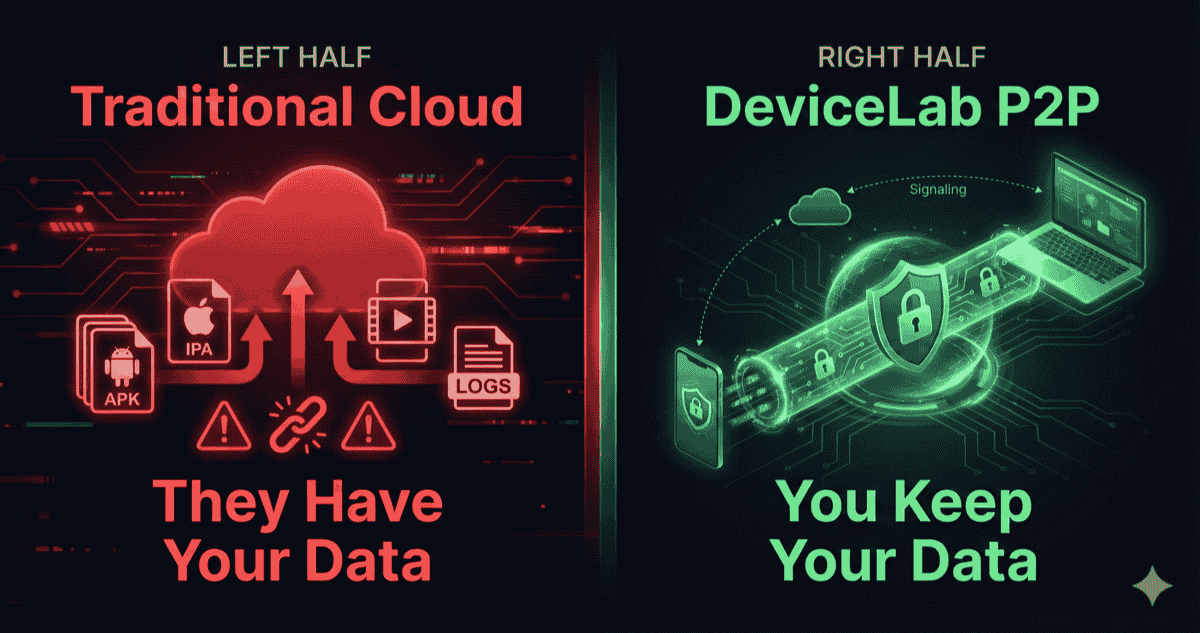
Zero-Trust Mobile Testing: DeviceLab's Security
We don't want your data. So we built an architecture where we can't have it. Here's the NIST-aligned engineering behind DeviceLab's P2P model.

Parallel Slot Tax: How Cloud Vendors Inflate
10 parallel tests × $299/month = $36K/year. Plus, they delete your tests if you wait too long. Here's the math on why 'Slots' are a broken model.
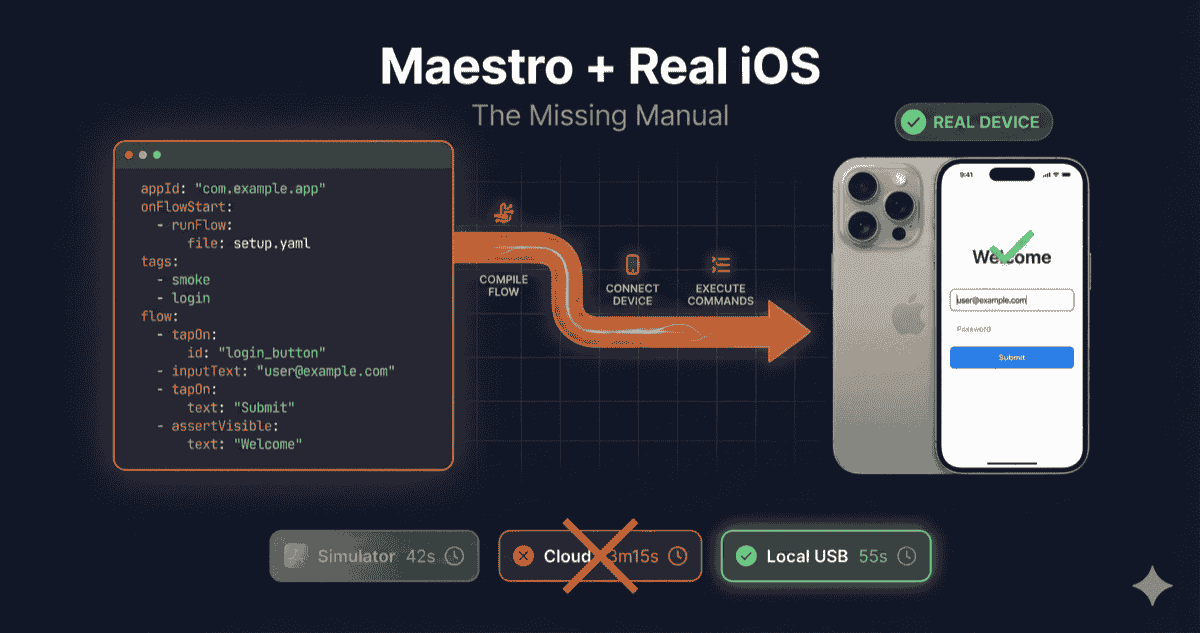
Maestro on Real iPhones: Open-Source Guide
Simulators miss 23% of device-specific bugs. Here's how to run your Maestro YAML flows on physical iOS devices—without uploading to cloud farms.
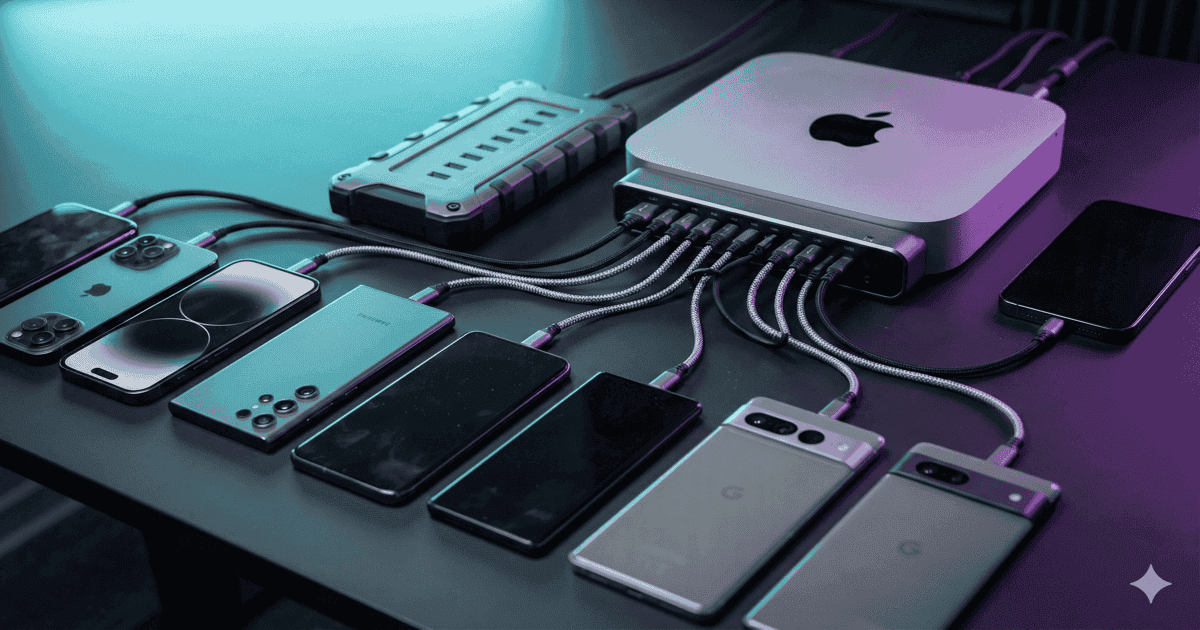
How One Team Saved $19K/Year by Leaving
10 devices on BrowserStack: $90K over 3 years. 10 devices on DeviceLab: $33K. Here's the CFO-ready breakdown.

HIPAA-Compliant Mobile Testing: QA Checklist
275M records breached. 22 OCR penalties. Your testing pipeline might be your biggest compliance gap.
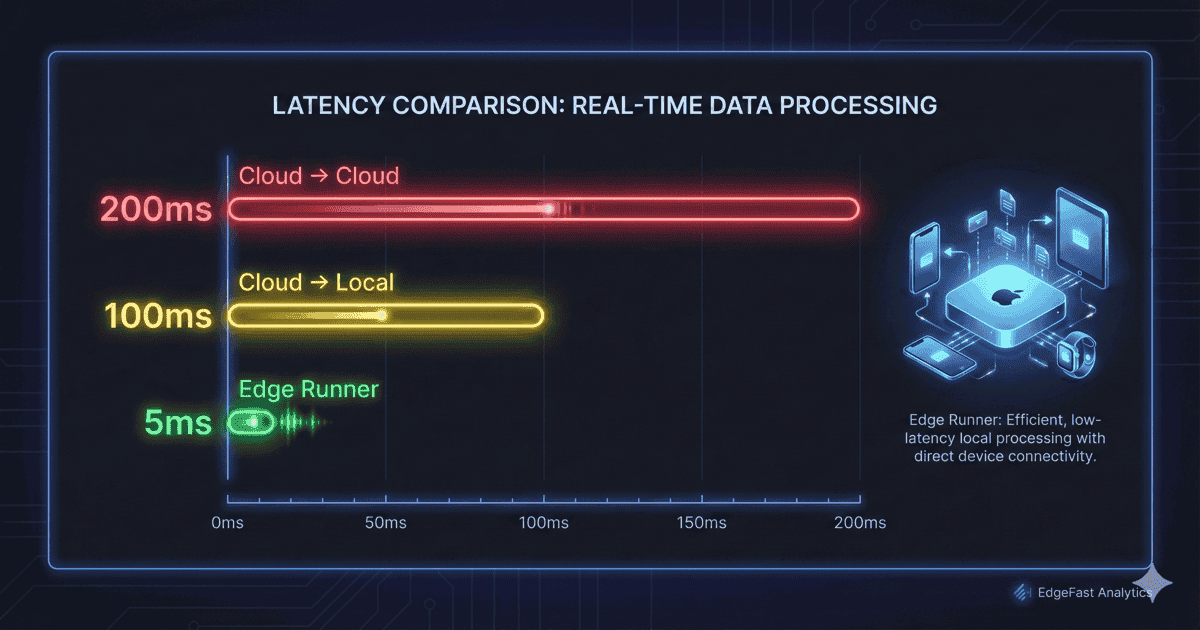
Sub-50ms Latency: Gold Standard for Real Device
The speed of light is the bottleneck. Here's how to architect your lab to beat it.
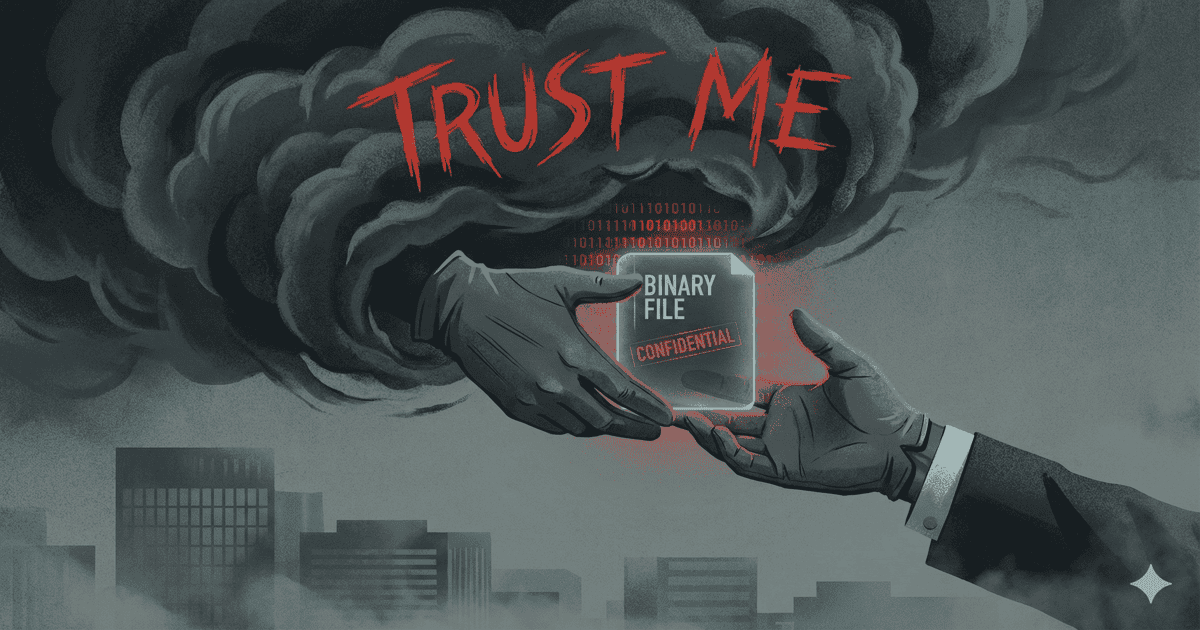
Test Mobile Apps Without Uploading to the Cloud
SOC2 is a legal shield, not a physical barrier. Your binary is on a server you don't own, accessible by admins you don't know.
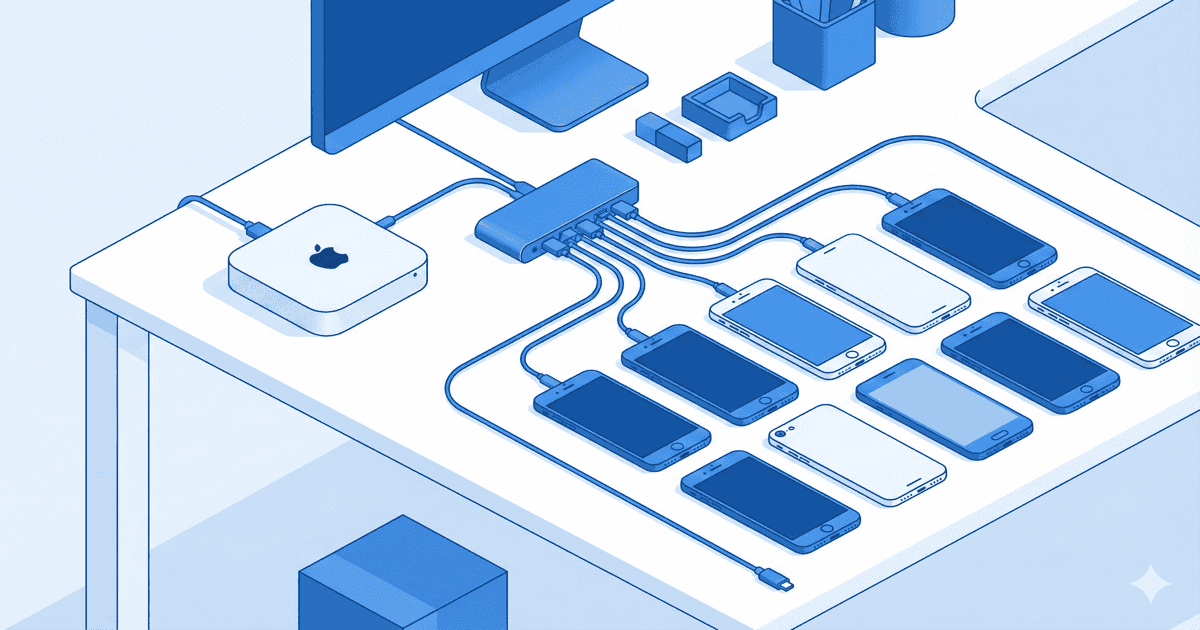
DeviceLab Certified Hardware: Hubs & Mounts
Stop researching. Start testing. Exact products, tested configurations, one-click purchase links.
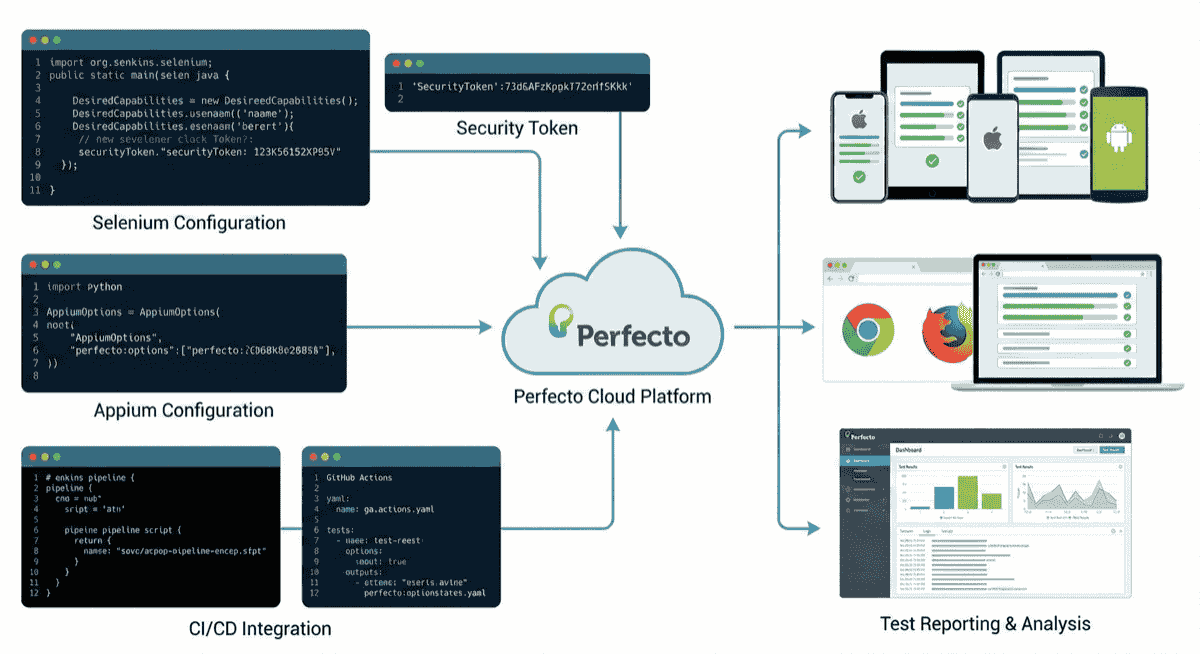
Perfecto Not Working? Troubleshooting Guide for
Intermittent failures, slow tests, device issues. Real solutions from user experiences.

Kobiton Not Working? Troubleshooting Session
Slow devices, connection failures, automation timeouts. Real solutions from user experiences.

HeadSpin Not Working? Common Issues and Fixes
7-9s latency, devices offline, iOS entitlements stripped. Troubleshooting guide with workarounds.
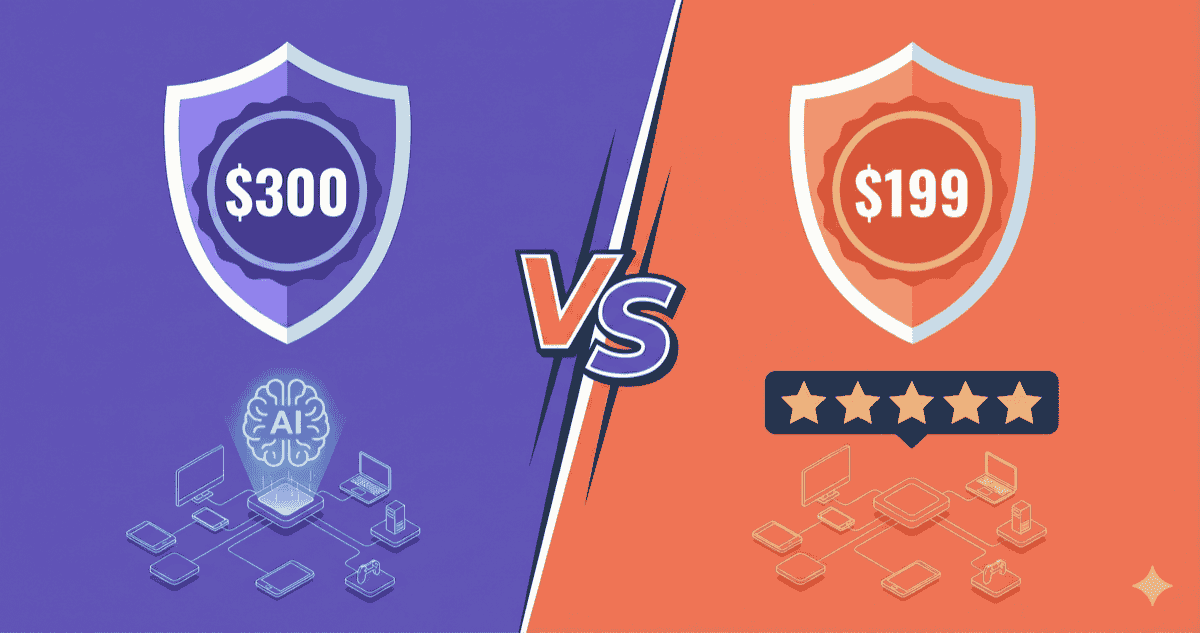
Perfecto vs BrowserStack: Enterprise vs
Enterprise testing vs accessible pricing. Which fits your team?
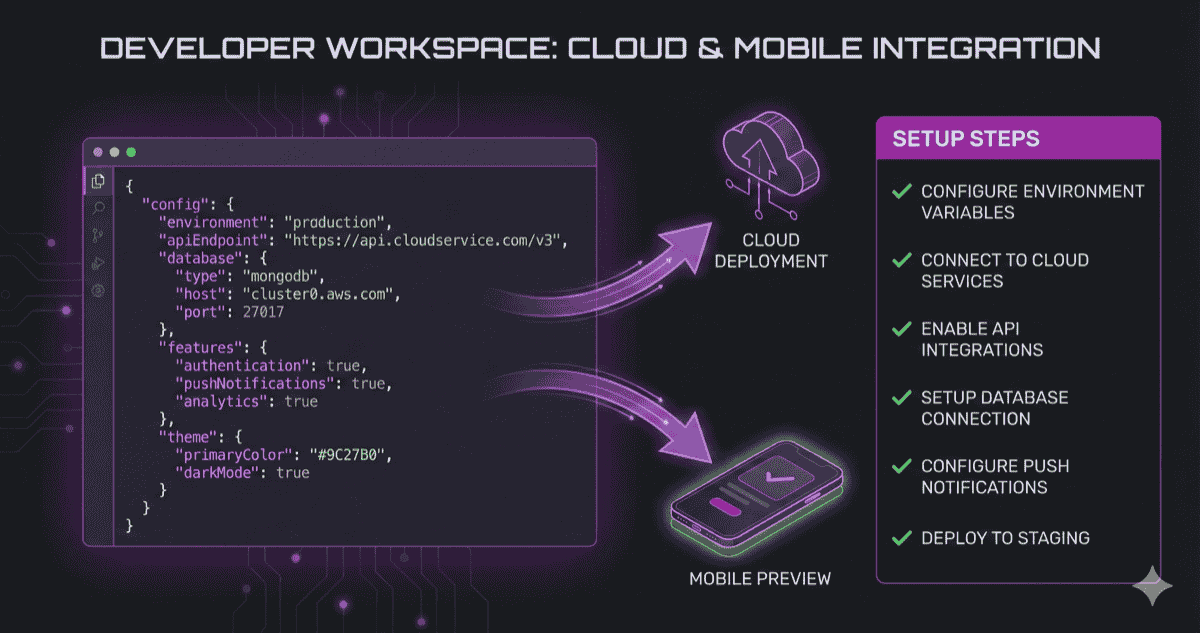
Perfecto Setup Guide: Enterprise Onboarding
Security tokens, Selenium/Appium configuration, capabilities, and CI/CD integration.
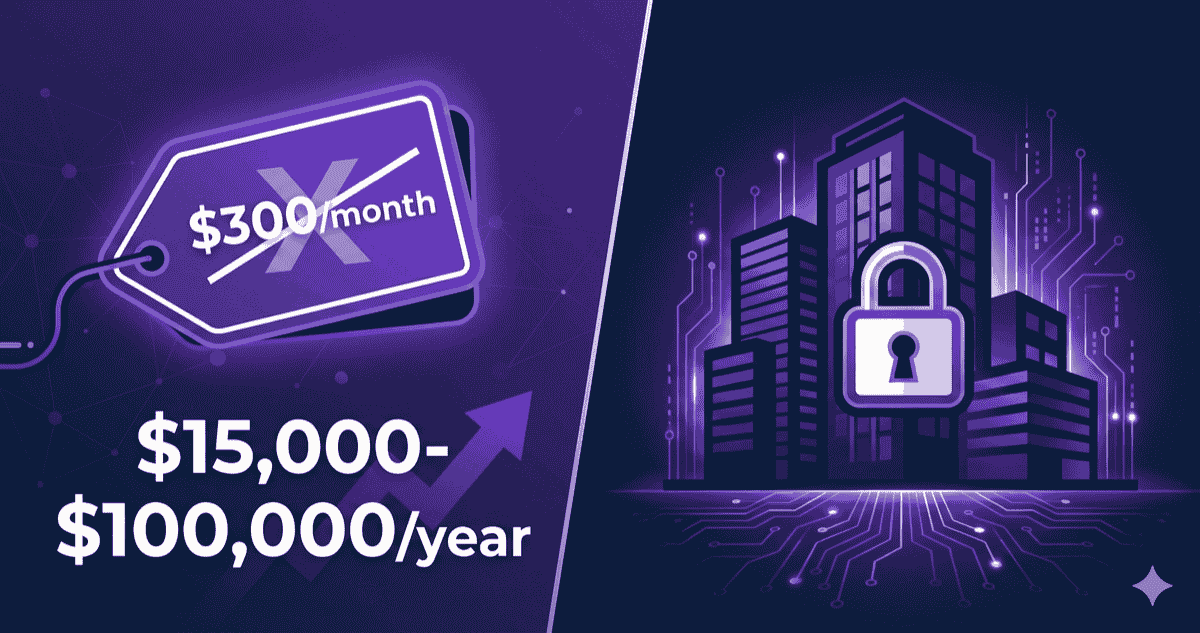
Perfecto Pricing: What $30K+/Year Actually Gets
Enterprise pricing from $15K-$100K+/year. What you'll actually pay.
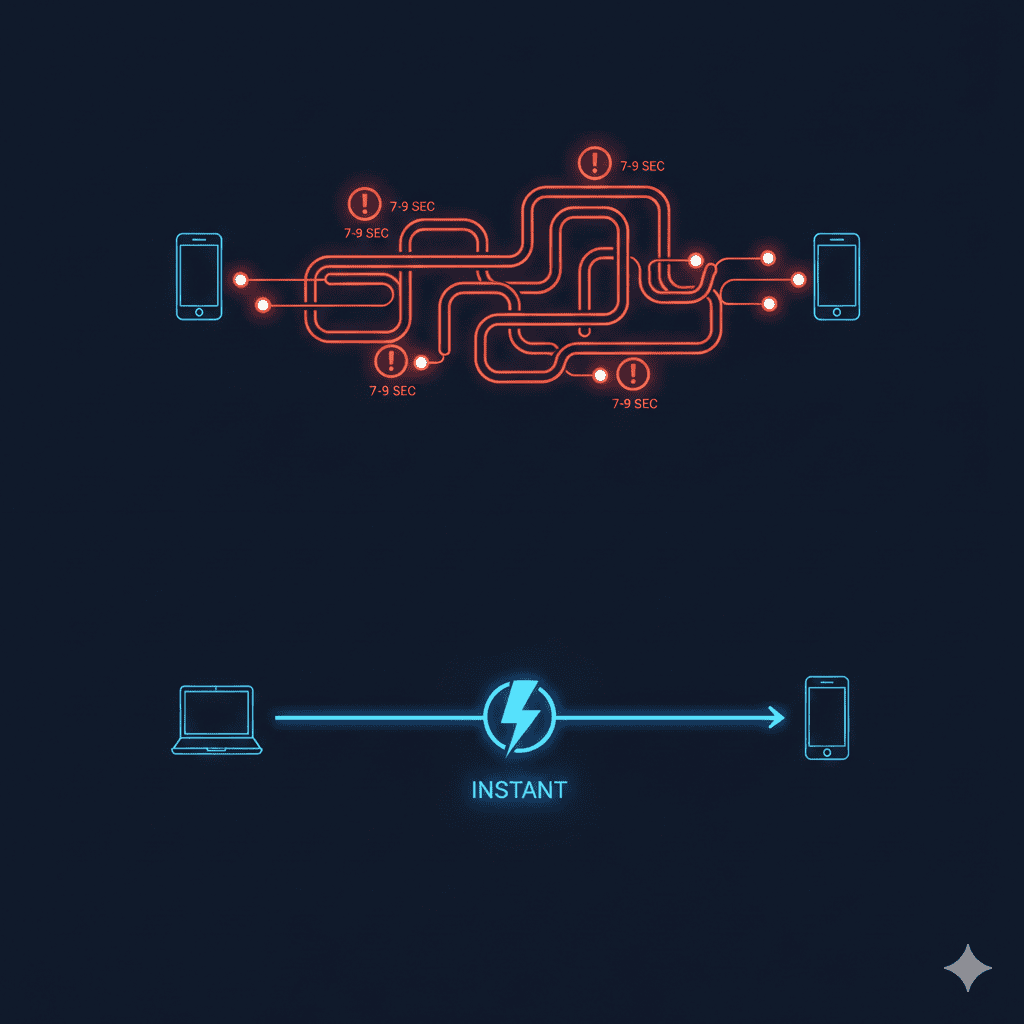
HeadSpin Alternative: Real Device Testing
Founder in prison. Fire sale to PE. 7-9s latency. $42K/year contracts. What HeadSpin users are switching to.
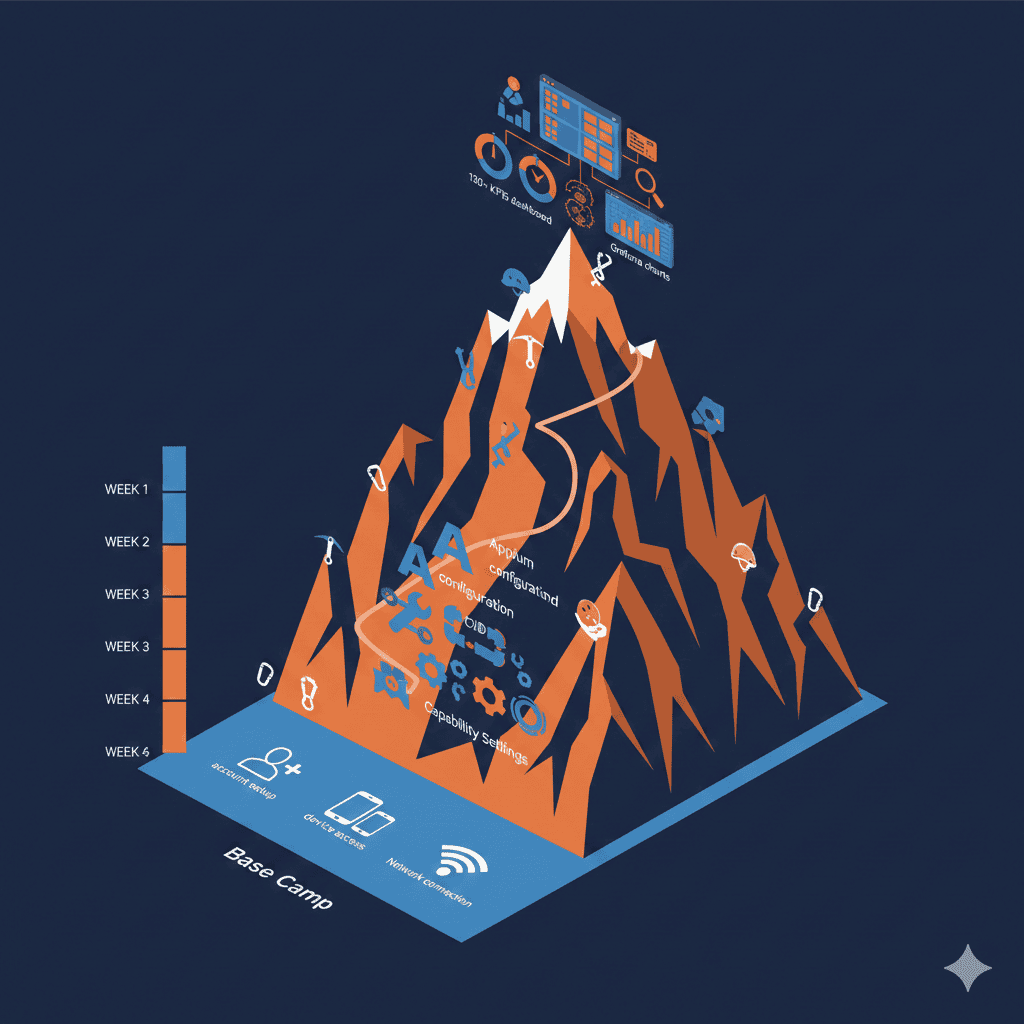
HeadSpin Setup Guide: From Trial to First Test
Manual onboarding, complex UI, steep learning curve. What to expect when setting up HeadSpin.

Kobiton Alternative: 5 Platforms Compared
Per-minute pricing anxiety, shared device failures, and the alternatives worth considering.

HeadSpin vs BrowserStack: AI Premium vs Device
G2 scores, real pricing, latency data. Complete comparison with user quotes from both platforms.
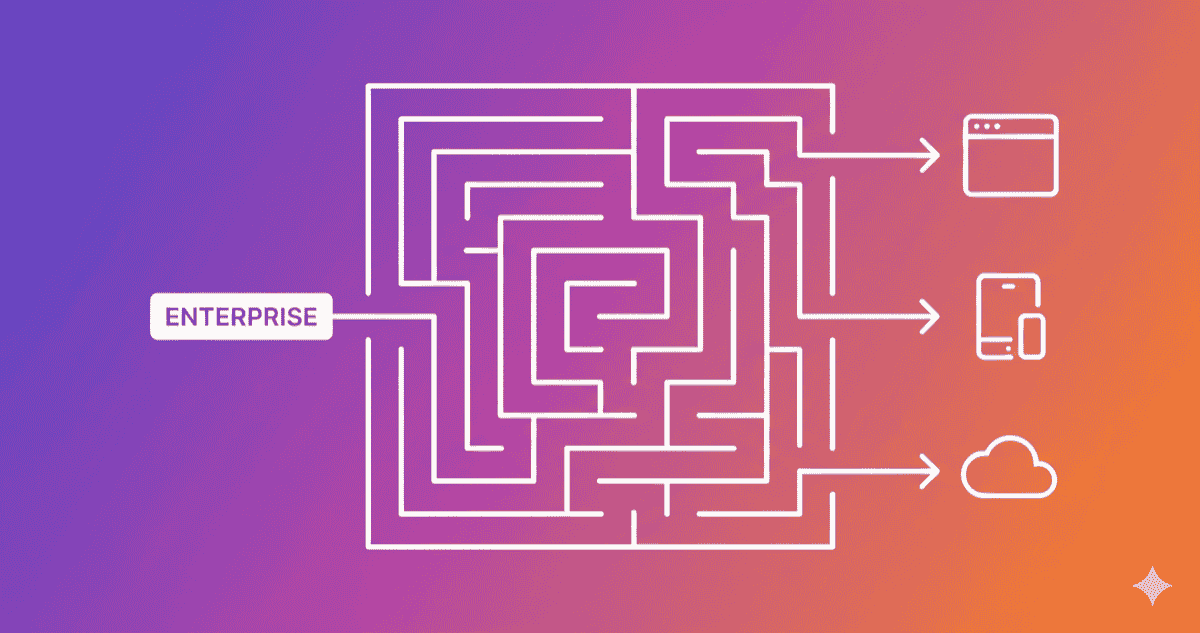
Perfecto Alternative: Enterprise Options
Enterprise pricing without enterprise budget? Here are your options.
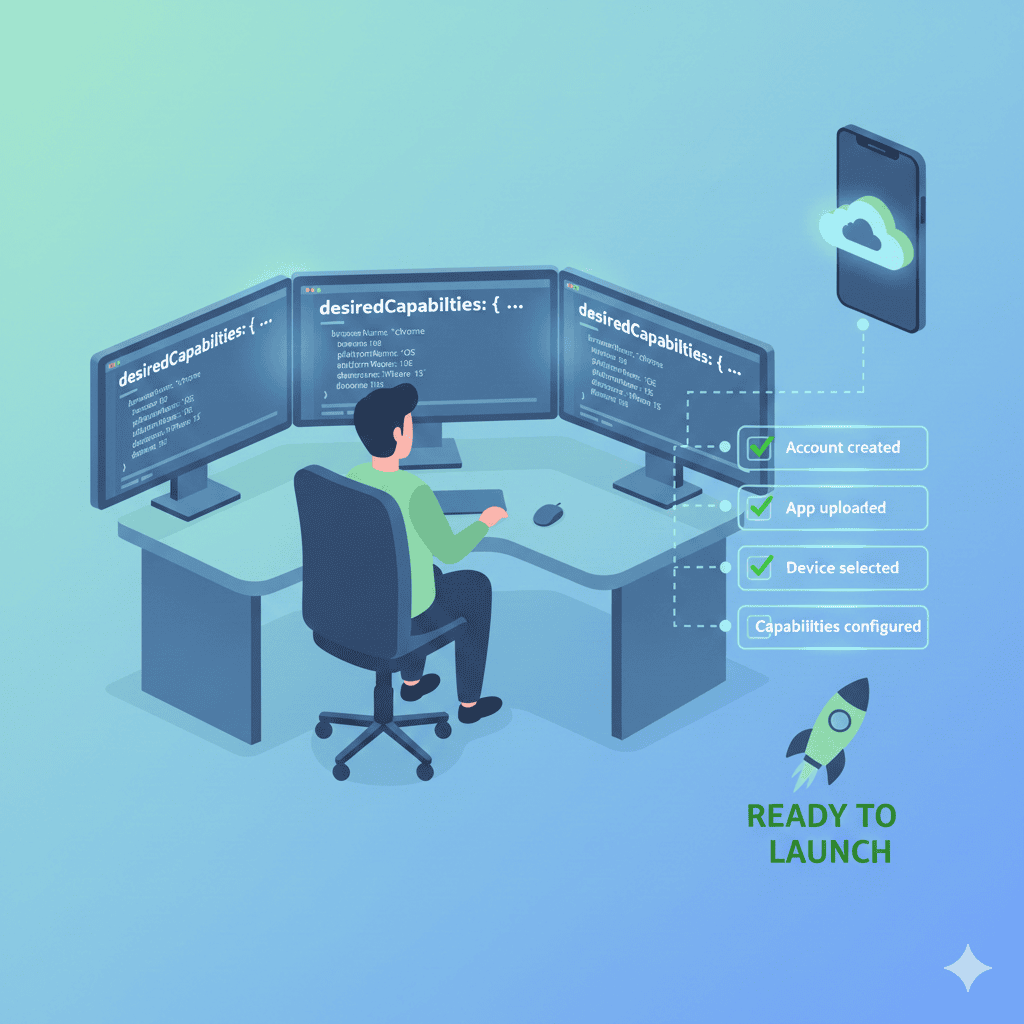
Kobiton Setup Guide: Connect Devices in 30
Account creation, Appium configuration, capabilities, app uploads, and CI/CD integration.
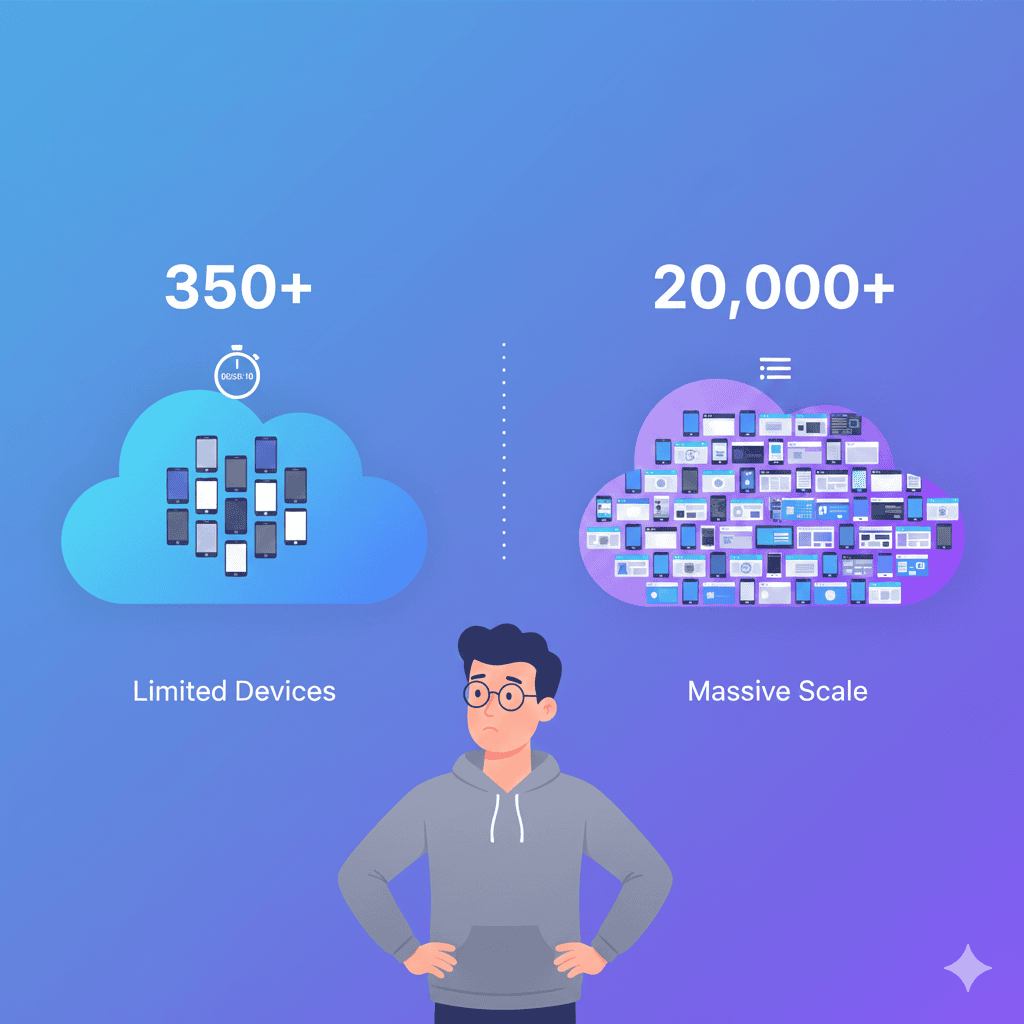
Kobiton vs BrowserStack 2026: BYOD vs Pure Cloud
Mobile-focused vs full platform. Per-minute vs per-session. Which fits your testing needs?
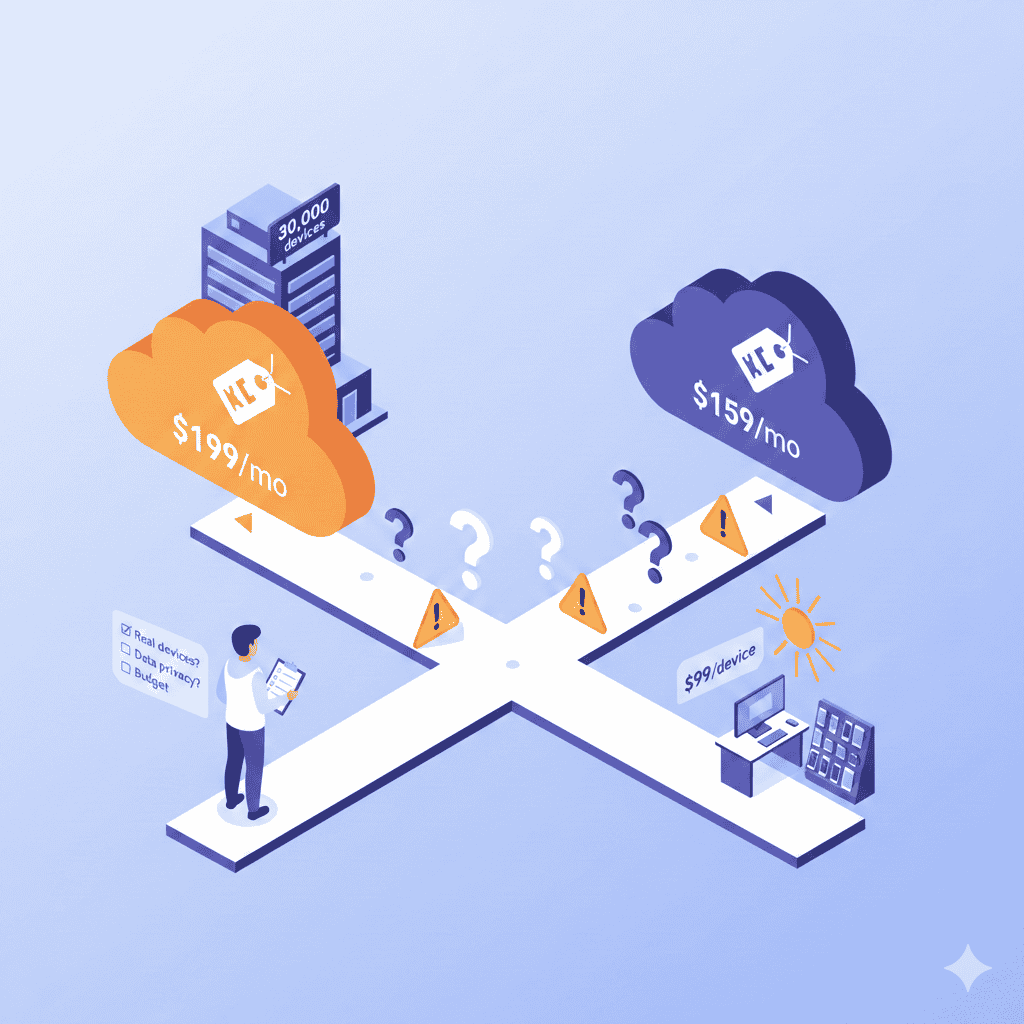
LambdaTest Alternative: Escape Parallel Pricing
Getting emulators when you requested real devices? Backend stability issues? Here are the alternatives worth considering.
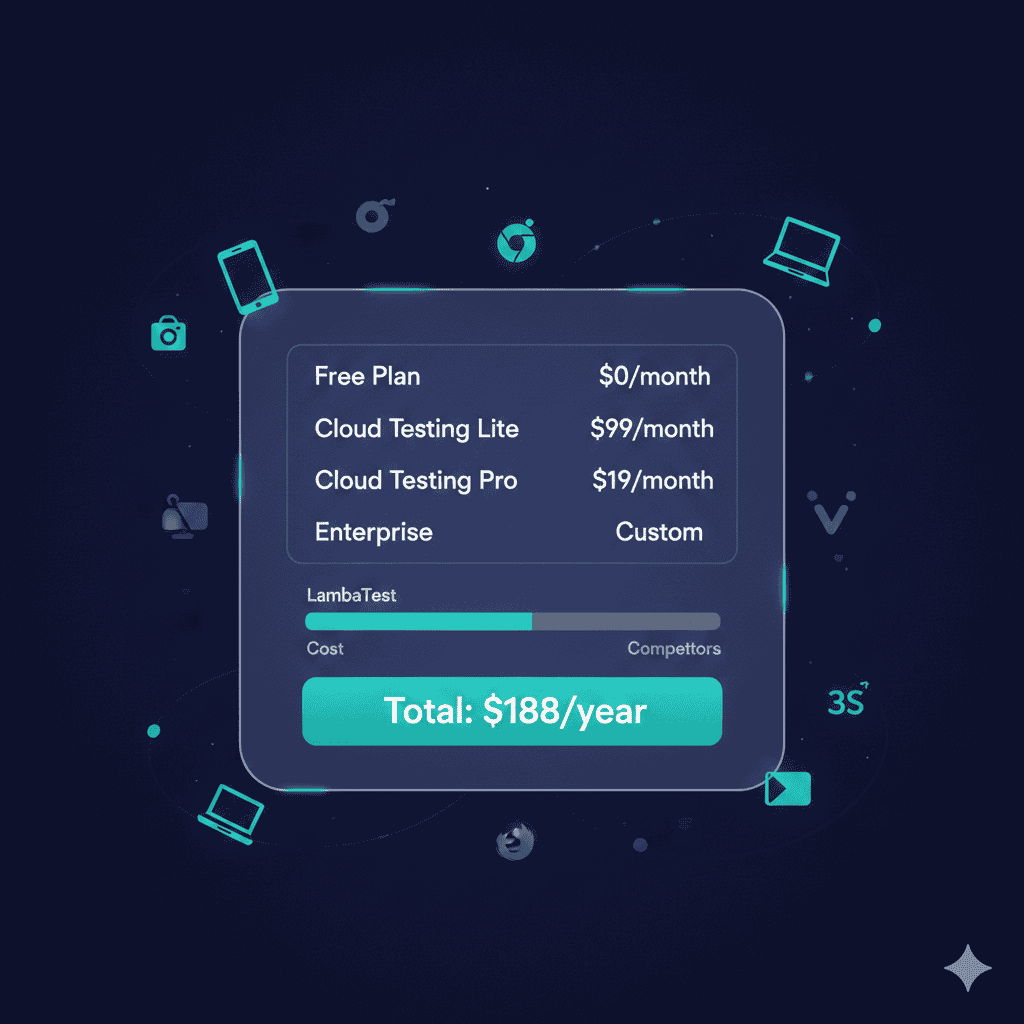
LambdaTest App Automation Pricing:
Live $15/mo, Automation $159/mo, Enterprise $30K/mo. Full breakdown with competitor comparison.
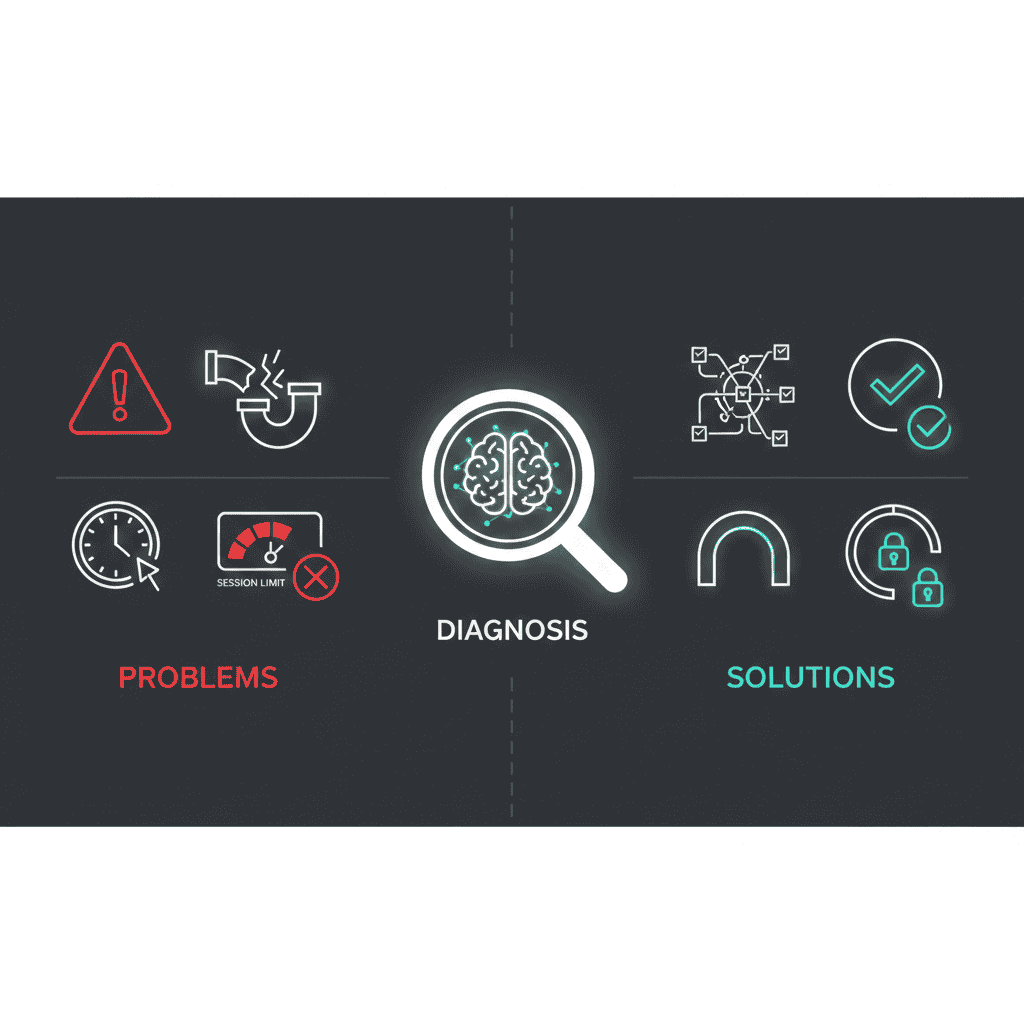
LambdaTest Not Working? Fixes for 2026
Timeout errors, slow tests, tunnel problems? Here are the fixes for the most common LambdaTest issues.
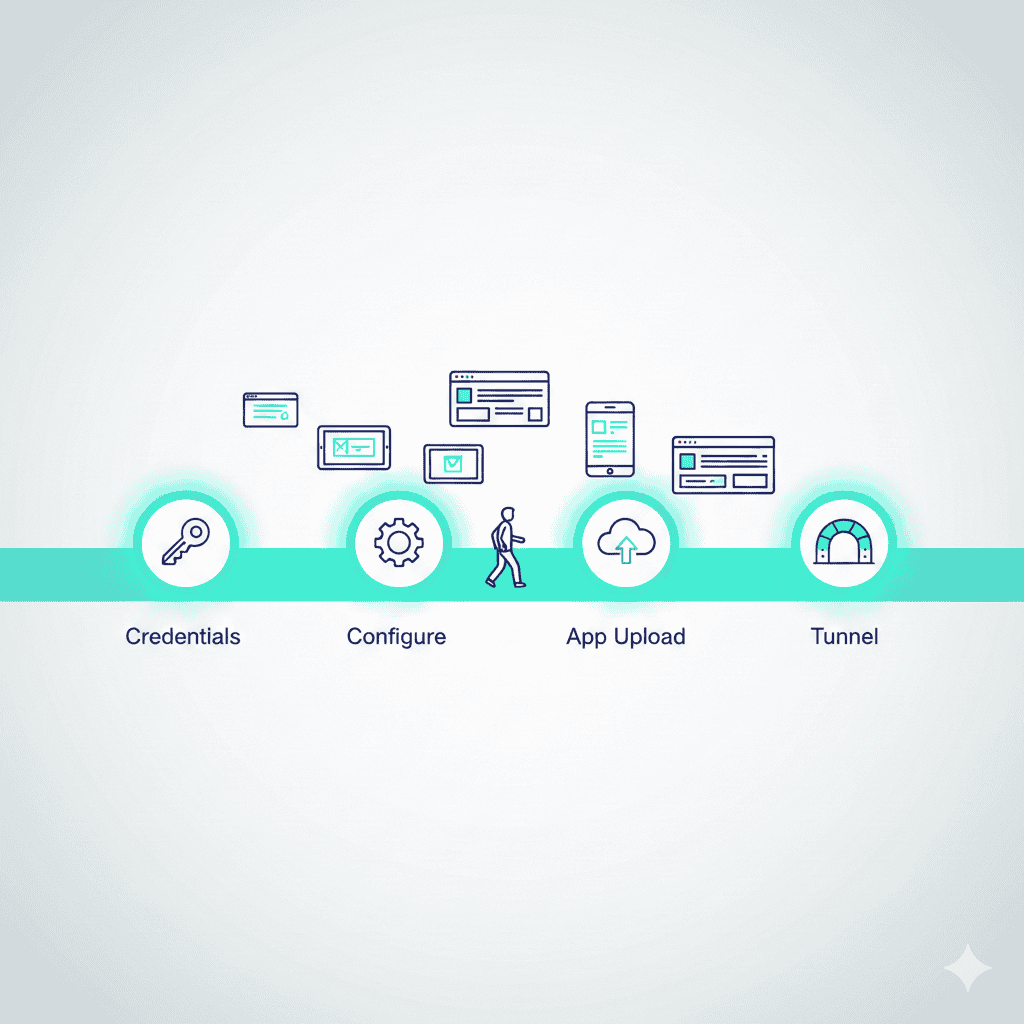
LambdaTest Setup Guide: From Signup to First
Complete setup walkthrough: credentials, Appium/Selenium configuration, app uploads, tunnel setup, and troubleshooting.
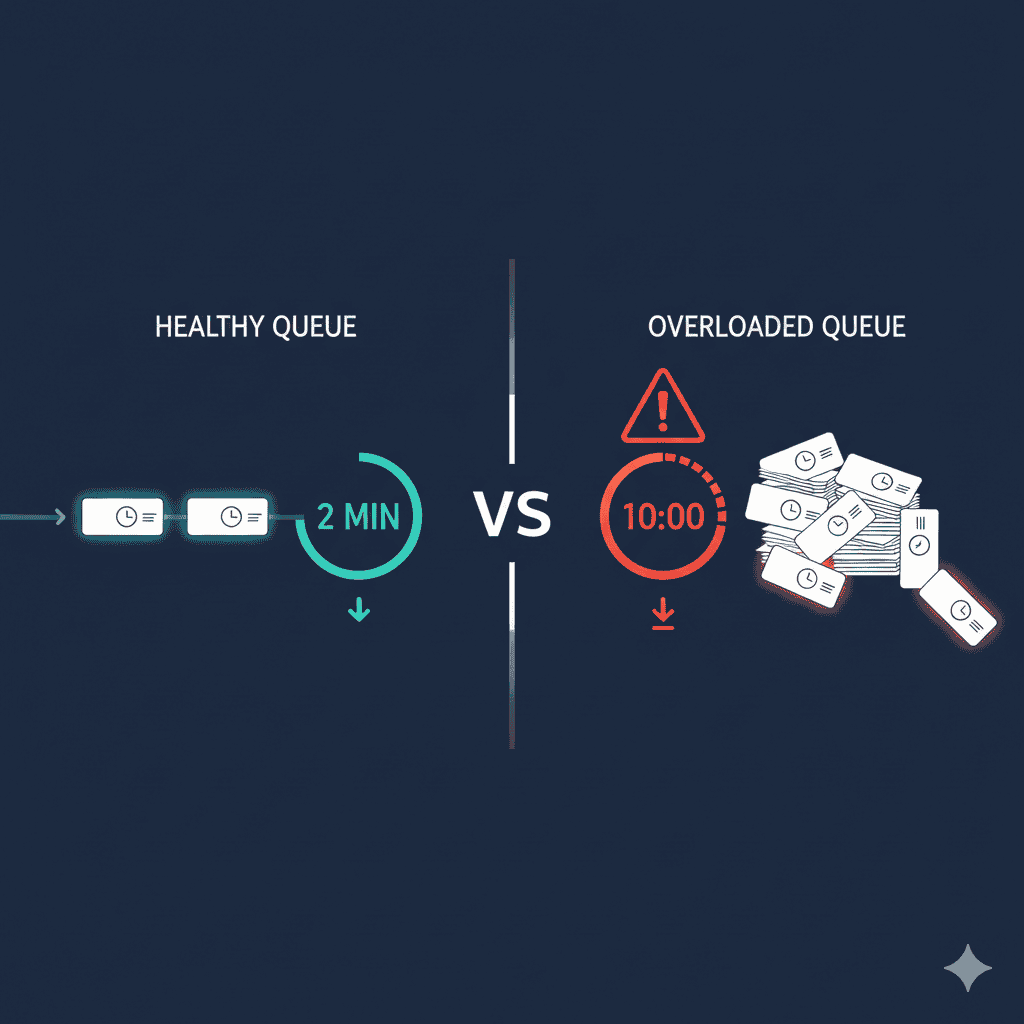
LambdaTest HyperExecute Is Fast—But Has These
279 G2 reviews mention slow performance. Queue timeout at 10 mins. Peak hour lag. Here's what's actually happening.
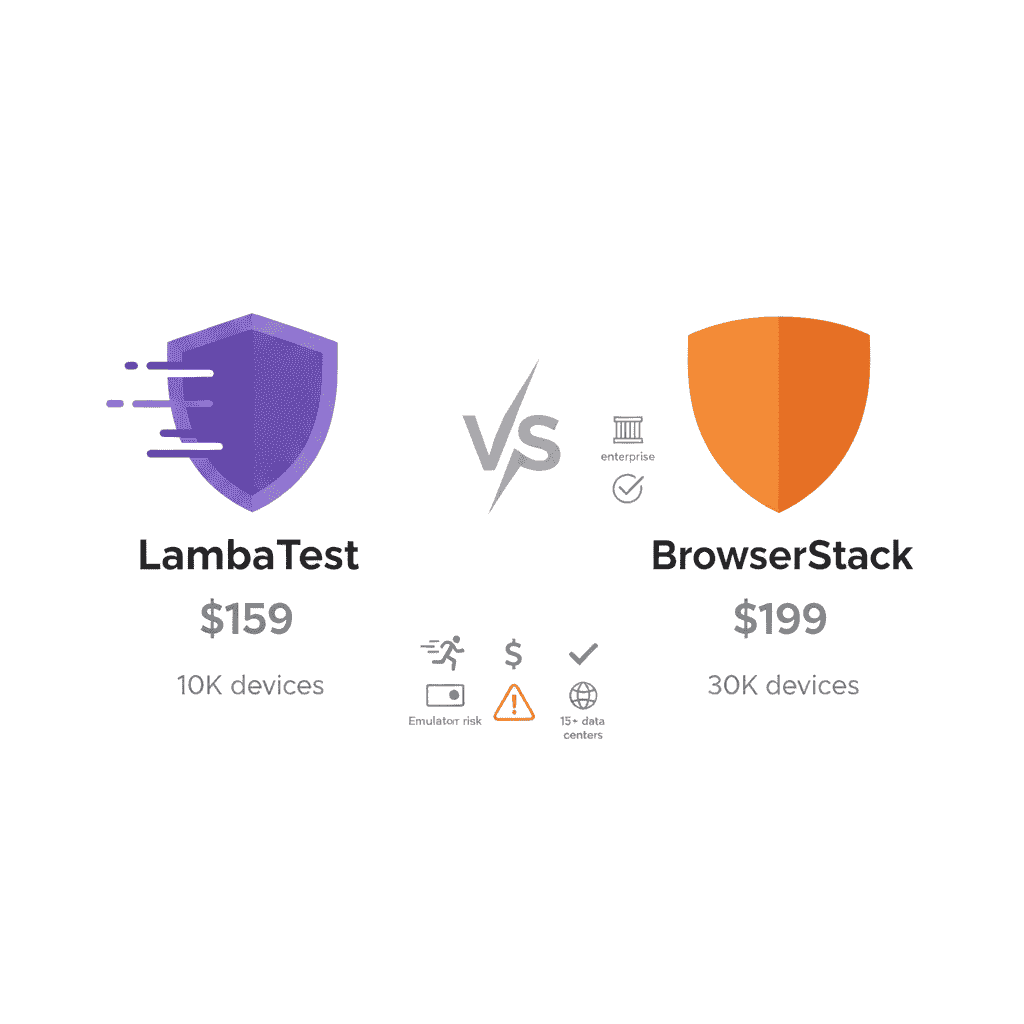
LambdaTest vs BrowserStack: Price vs
LambdaTest costs 20% less but has 3x fewer devices. Here's the real comparison based on user reviews and pricing.
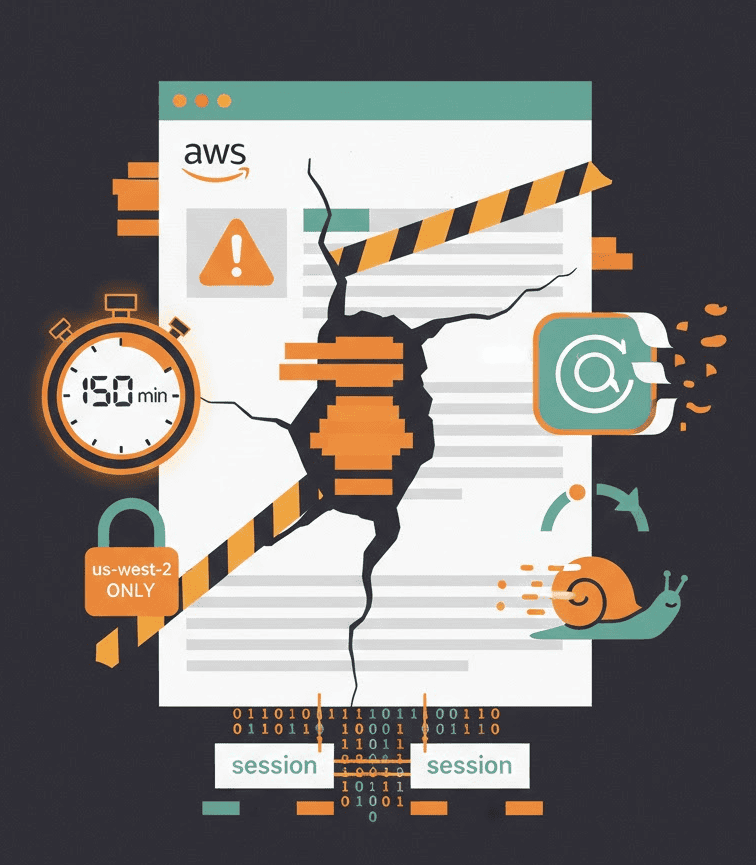
AWS Device Farm Setup: From Zero to First Test
IAM setup, project creation, test uploads, device pools. Plus the gotchas: 150-minute limit, iOS entitlements, data persistence.
BrowserStack vs Sauce Labs: 2026 Verdict
The honest comparison with real user complaints, Trustpilot ratings, and the security question for regulated industries.
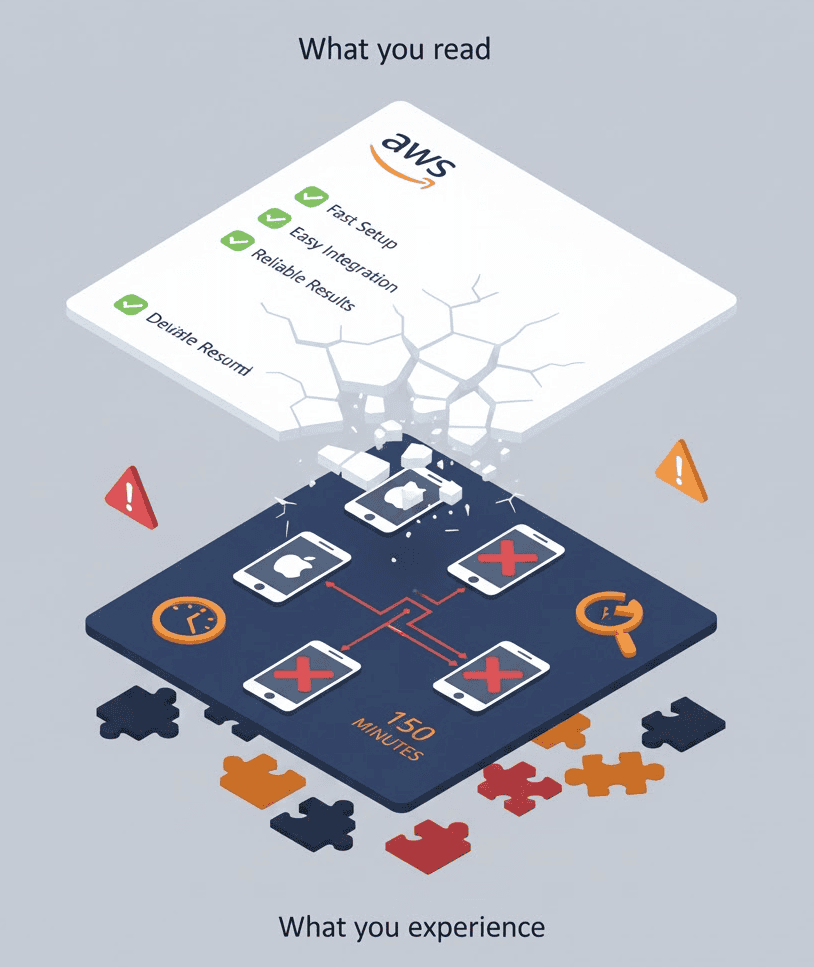
AWS Device Farm Documentation Is Missing These
Data persistence warnings, 150-minute timeout, iOS entitlements stripped, Oregon-only. What the docs don't emphasize.
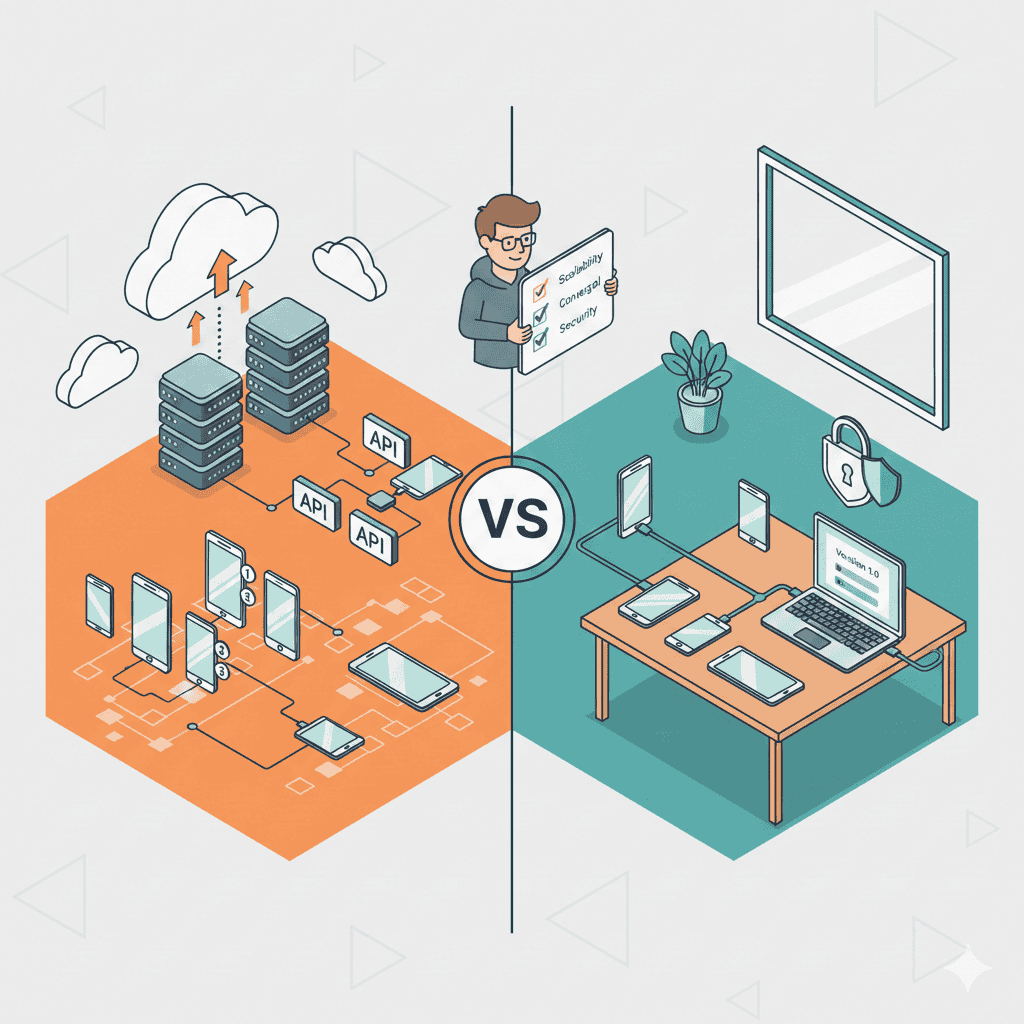
Maestro: BrowserStack vs Your Own Devices
Cloud vs control. Compare setup complexity, version lock, costs, and data privacy for running Maestro tests at scale.

Sauce Labs vs Perfecto: Developer Tools vs
Enterprise platforms compared: Sauce Labs (7,500+ devices, $199/mo) vs Perfecto (FedRAMP, deeper CI/CD). Real user reviews from PeerSpot.
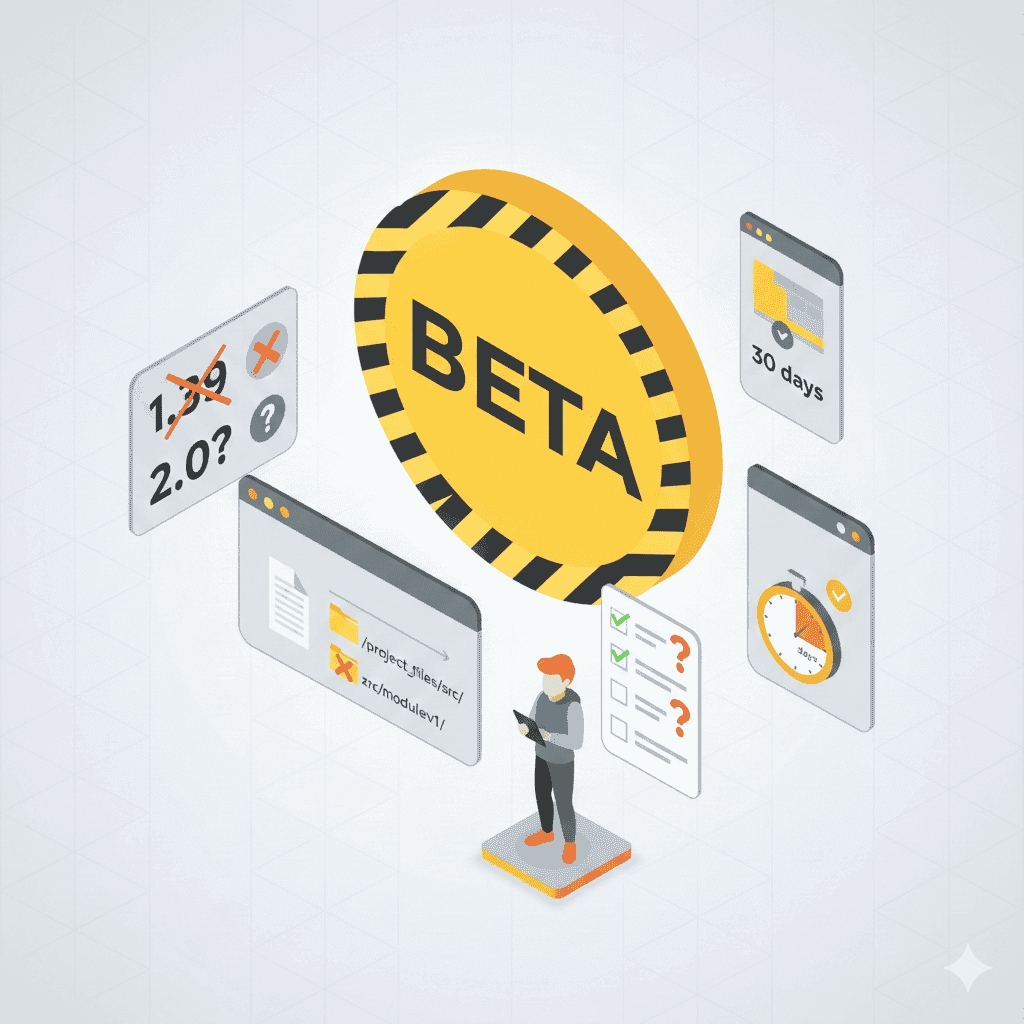
Running Maestro on BrowserStack: Guide (+
Beta status, version lock at 1.39.13, 3 API calls per run, and the zip structure that trips everyone up.
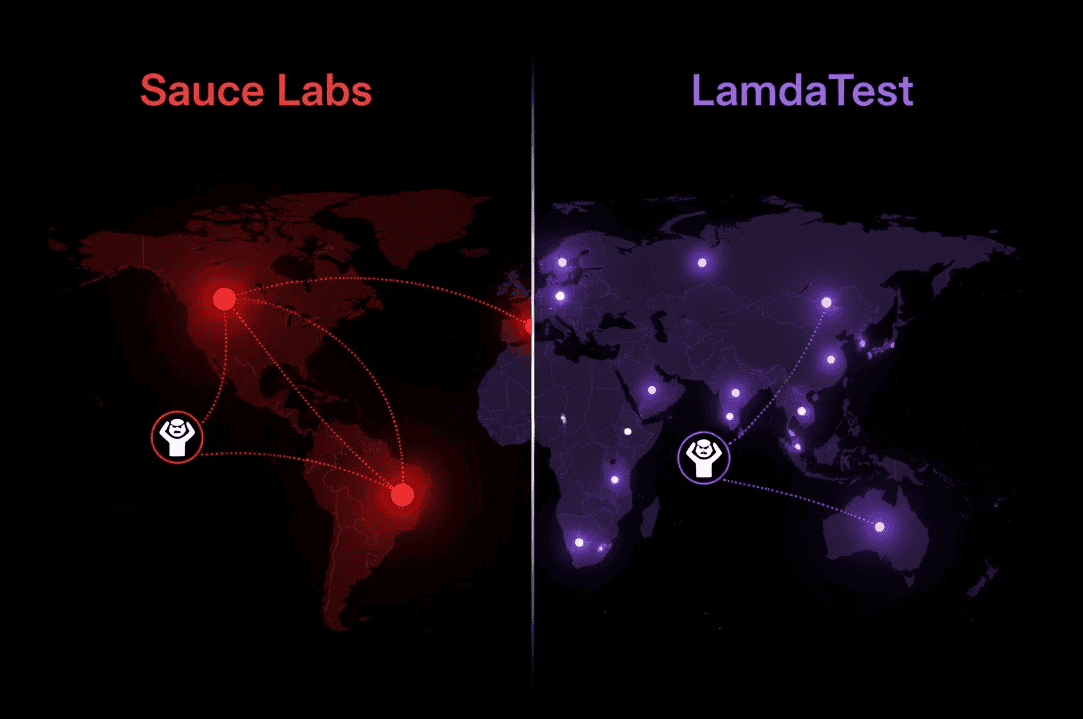
Sauce Labs vs LambdaTest: Selenium Creators vs
Sauce Labs vs LambdaTest for real device app testing. Compare pricing ($199/mo vs $125-159/mo), data centers, framework support, and verified user reviews.
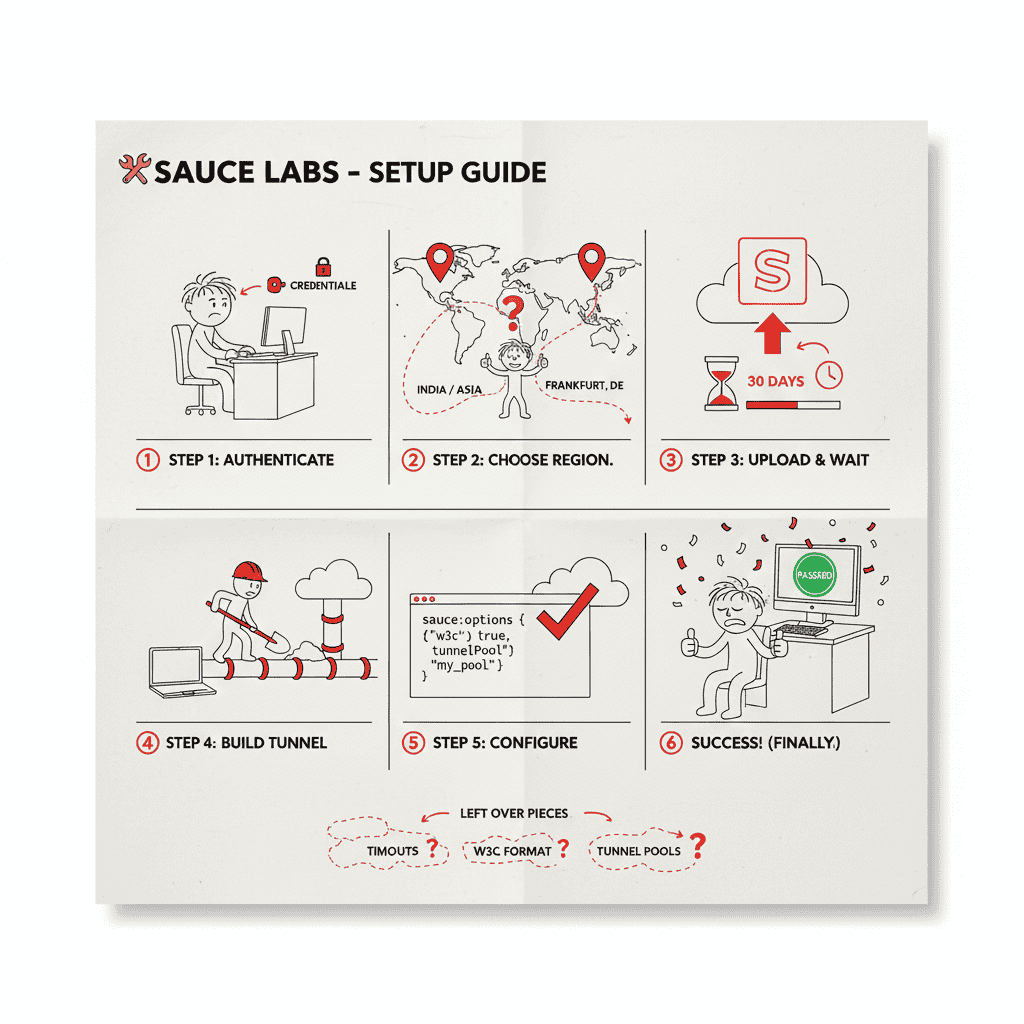
Sauce Labs Setup Guide: Sauce Connect + First
Step-by-step: credentials, capabilities, app uploads, Sauce Connect tunnel, and common mistakes to avoid.
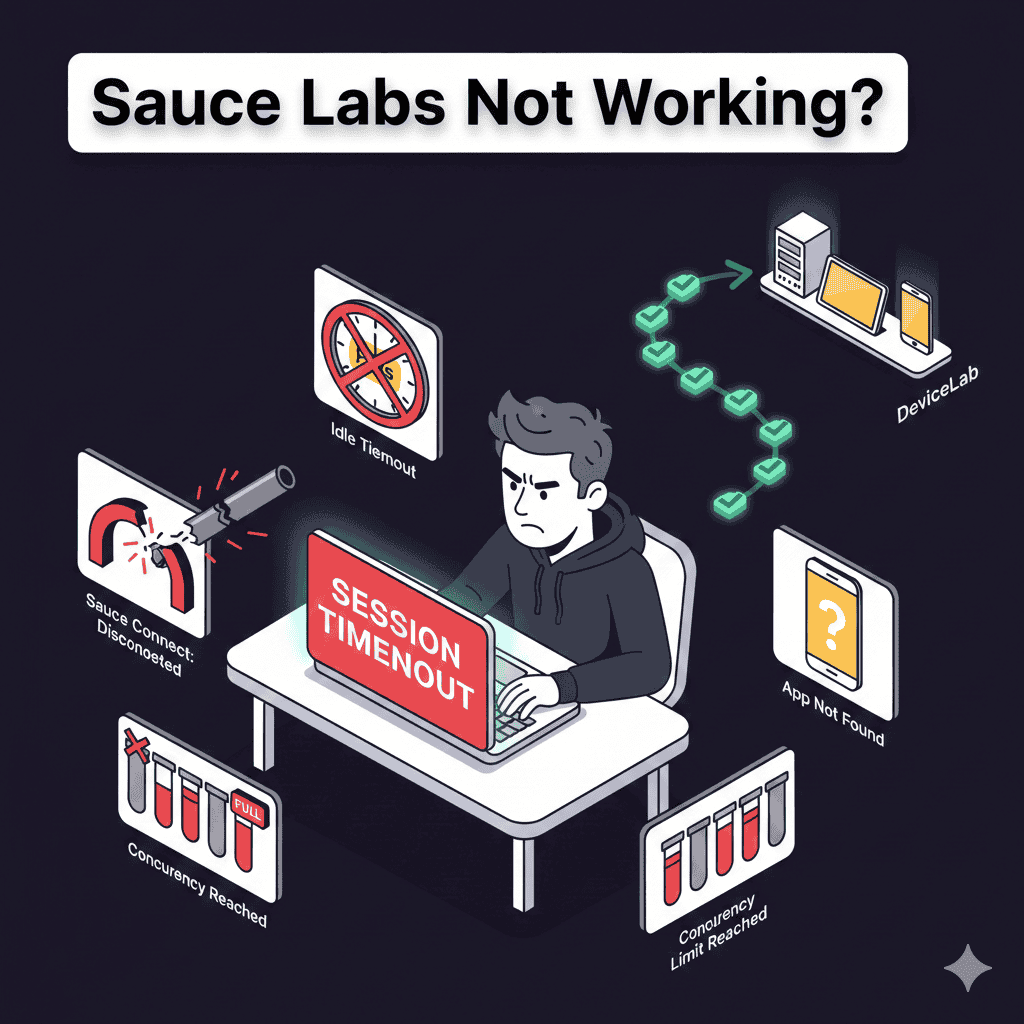
Sauce Labs Not Working? Fix Tunnel, Timeout,
Session timeouts, Sauce Connect drops, capability errors. Practical fixes with code examples.
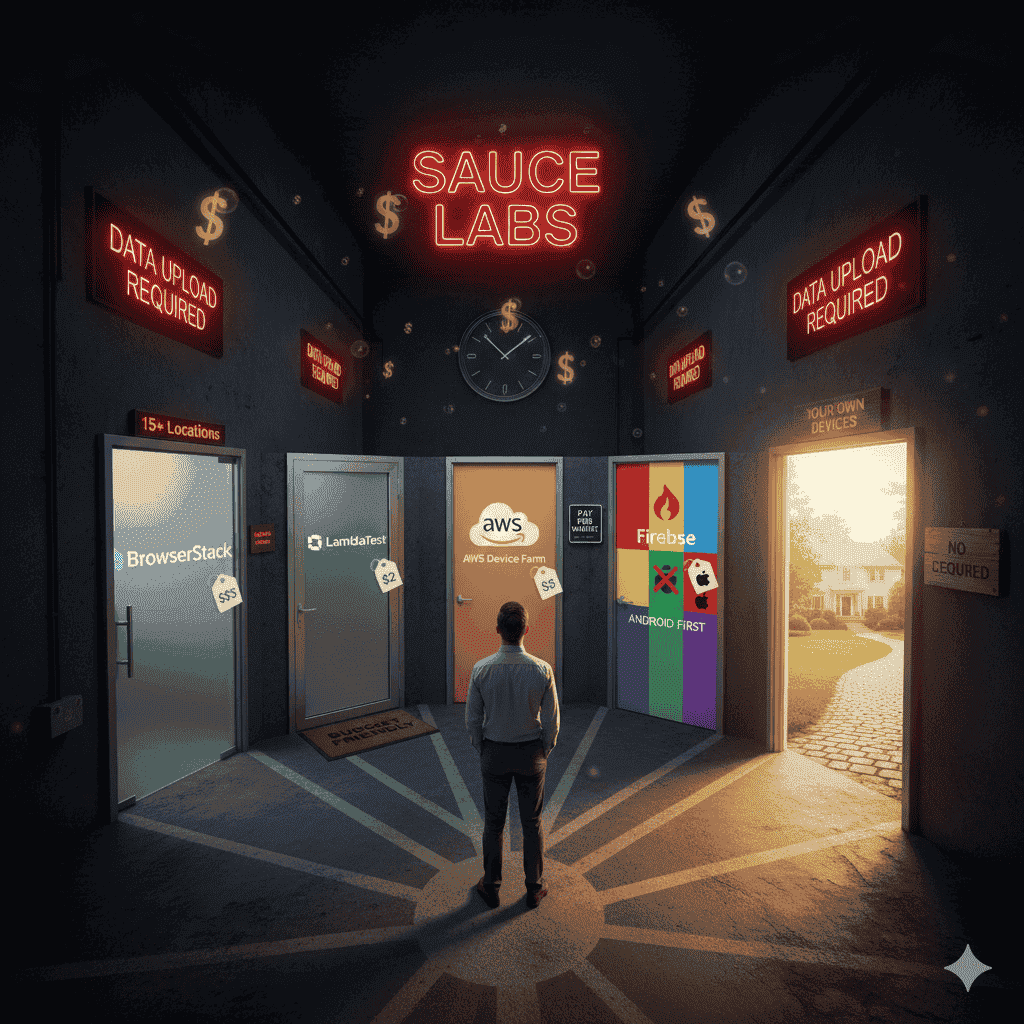
Sauce Labs Alternatives: 5 Options Compared
Cloud too expensive? Data privacy concerns? Compare BrowserStack, LambdaTest, AWS Device Farm, and self-hosted options.
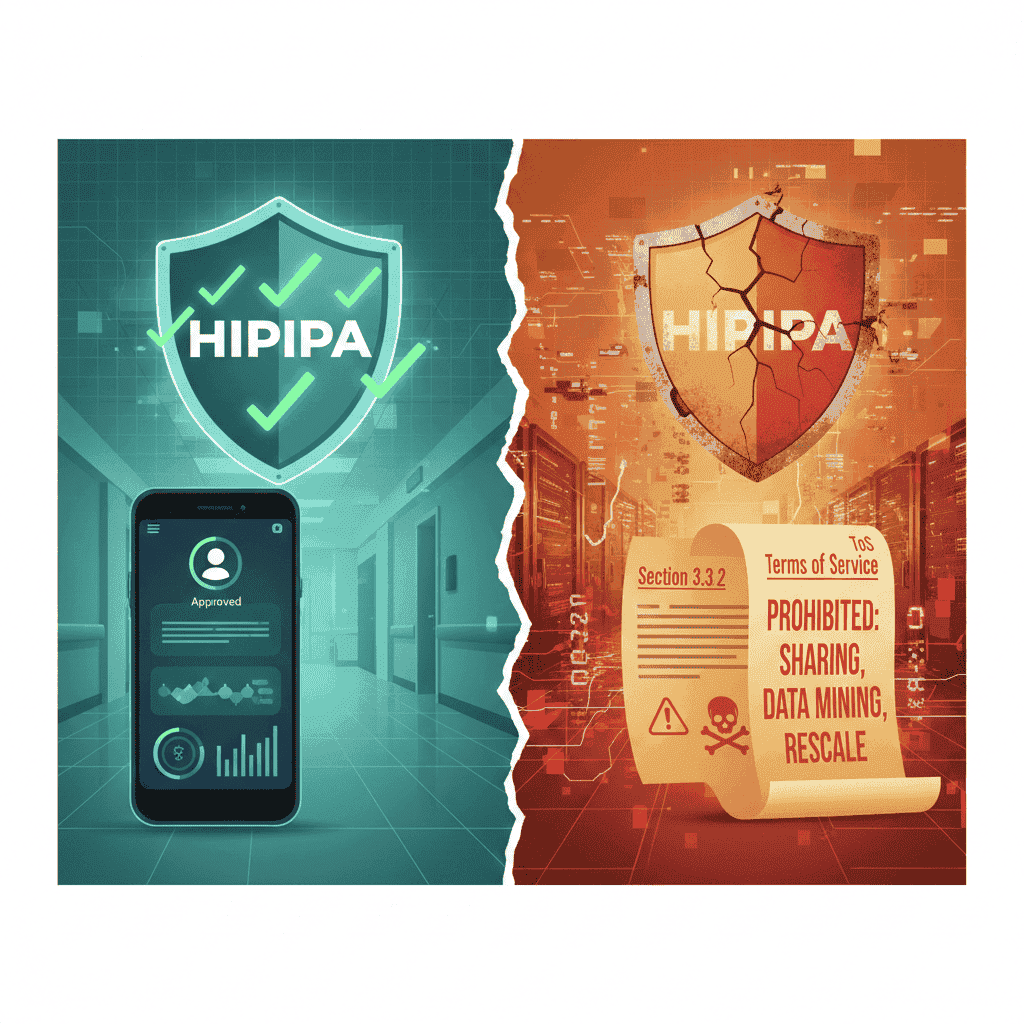
Is BrowserStack HIPA Compliant? (It's
No BAA, no HIPAA certification. What healthcare teams need to know about testing apps that handle PHI.

AWS Device Farm vs BrowserStack: Real Costs
The complete comparison including the question nobody else asks: where does your test data actually go?
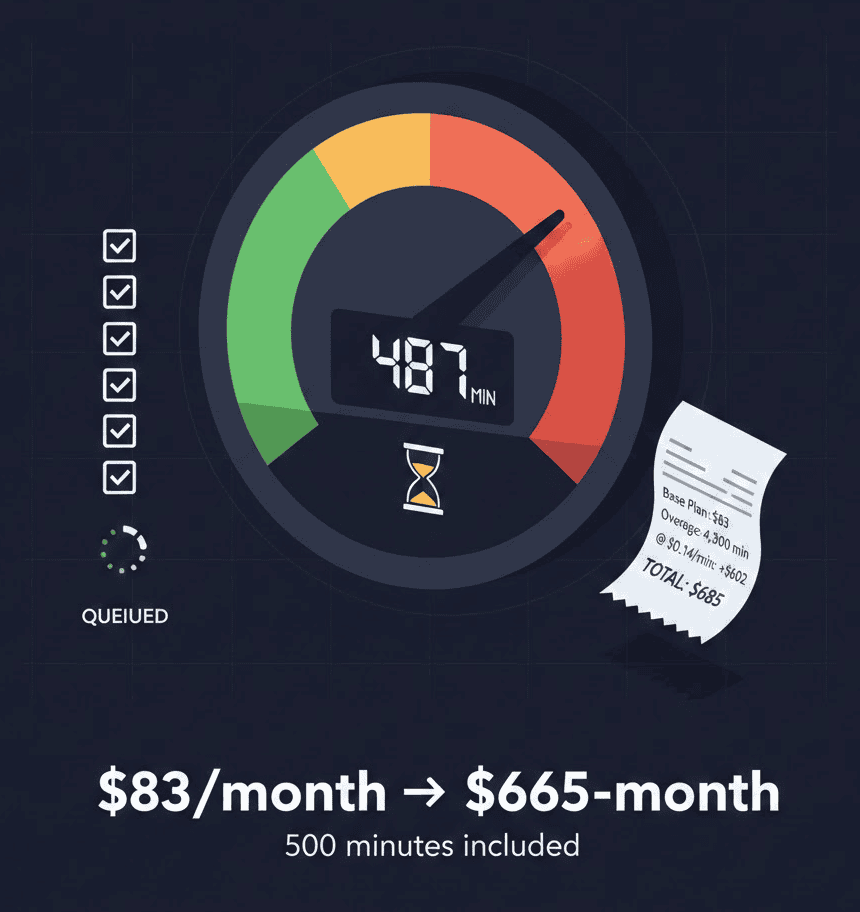
Kobiton Pricing: BYOD Model Explained (Real
Kobiton pricing looks straightforward—until you calculate what 500 minutes actually means for a CI/CD pipeline.
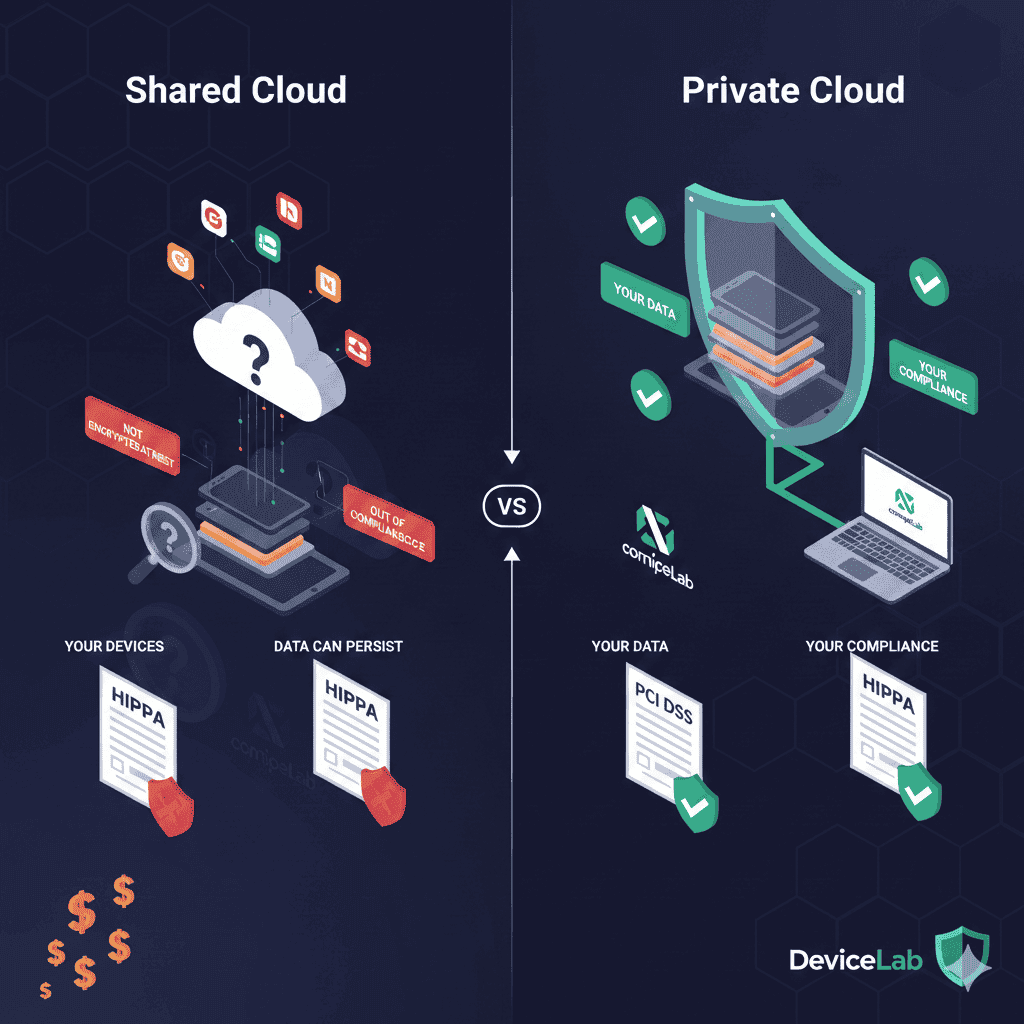
Cloud Device Labs: The Hidden Security Risks
AWS Device Farm admits data 'can persist between sessions' and isn't encrypted at rest. What the providers' own documentation reveals.
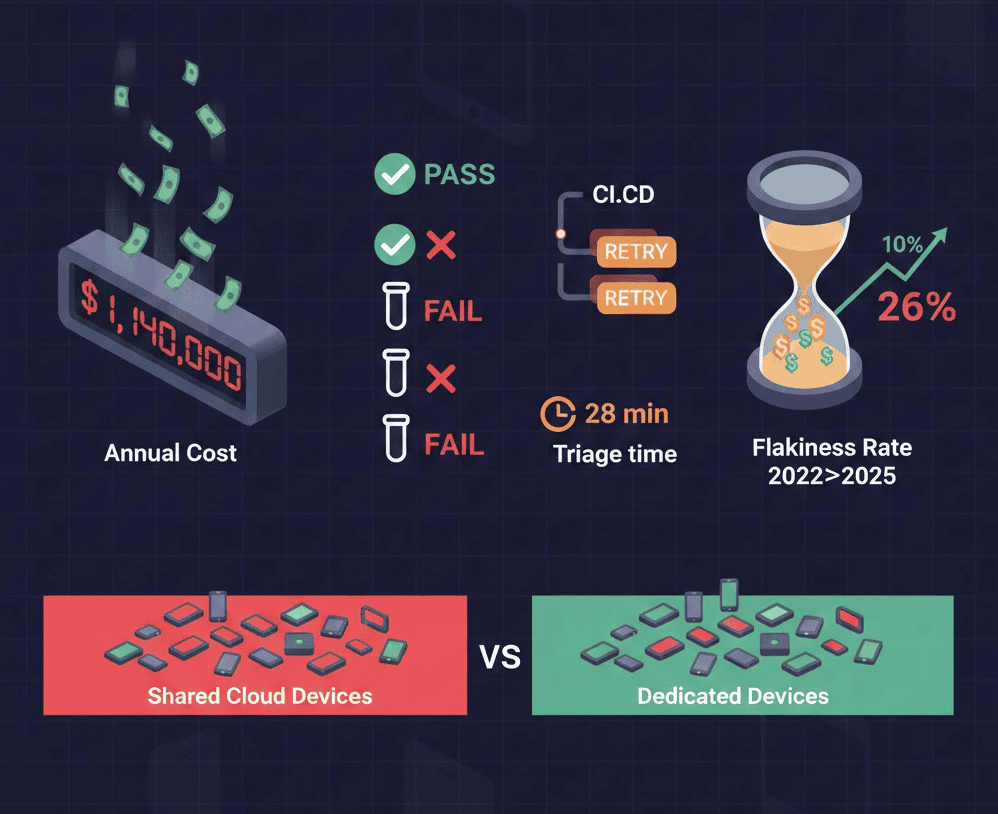
Flaky Mobile Tests Cost $57,600/Year
Flaky mobile tests waste 2-4 hours per developer per week. See the full cost breakdown and how teams are fixing it.
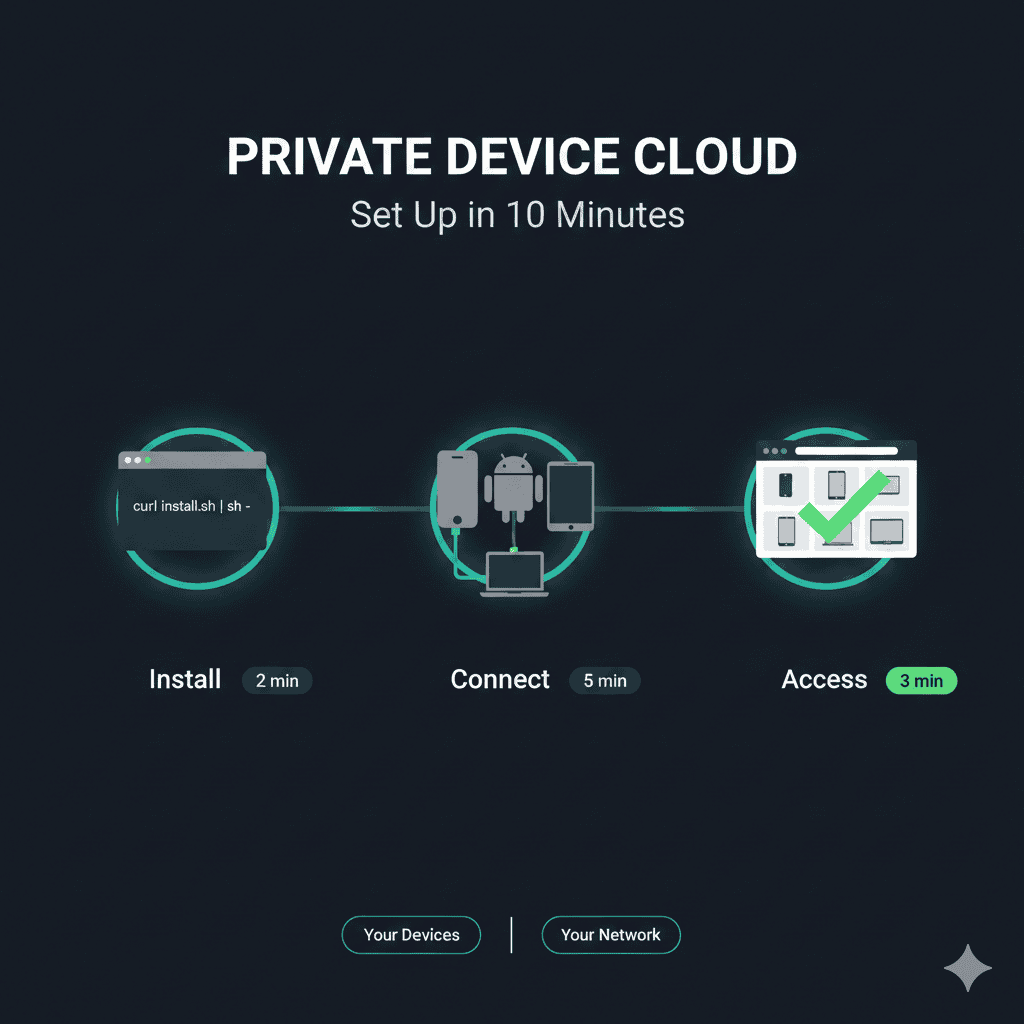
Set Up a Private Device Cloud in 10 Minutes
Skip the $10K/month enterprise contracts. Set up a private mobile device cloud with one curl command.
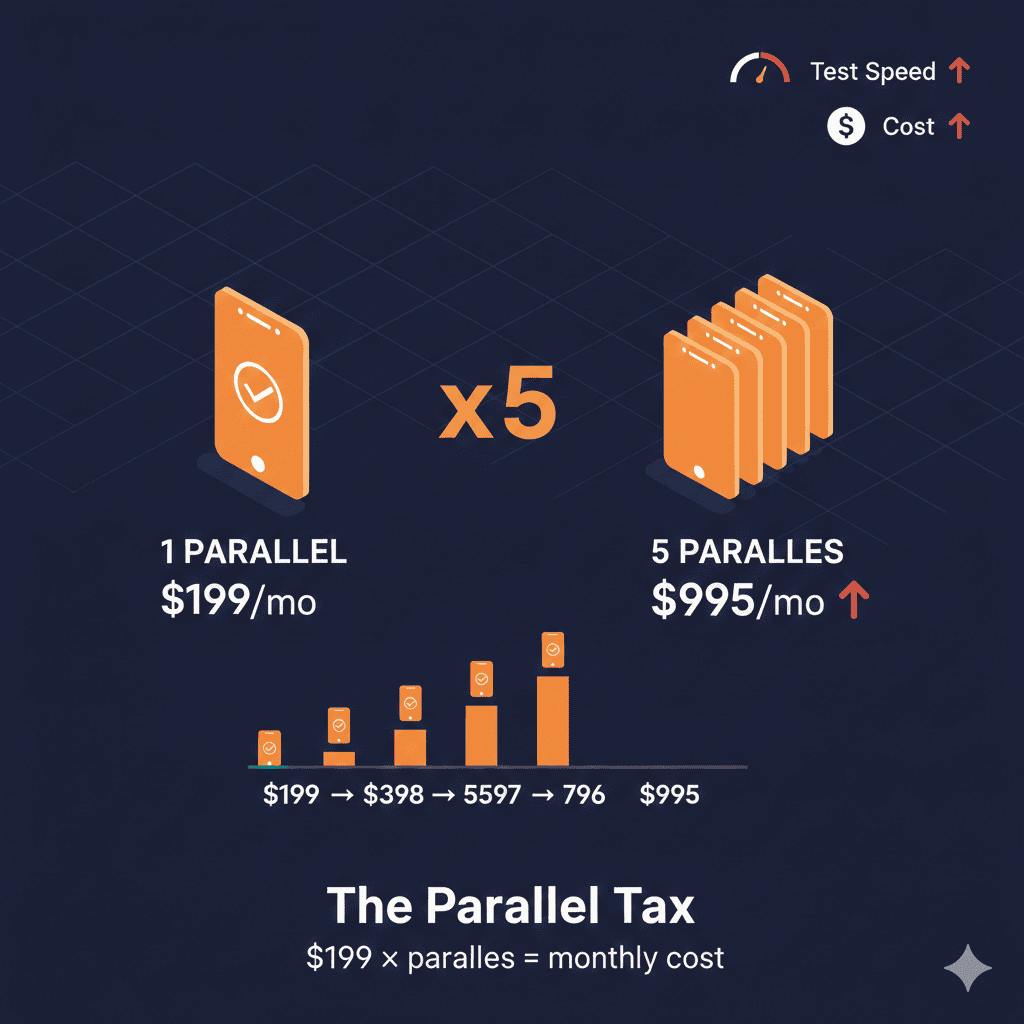
BrowserStack App Automate Pricing: $199 Turns
BrowserStack App Automate starts at $199/month—for one parallel test. Scale to 5 parallels and you're at $12K/year.
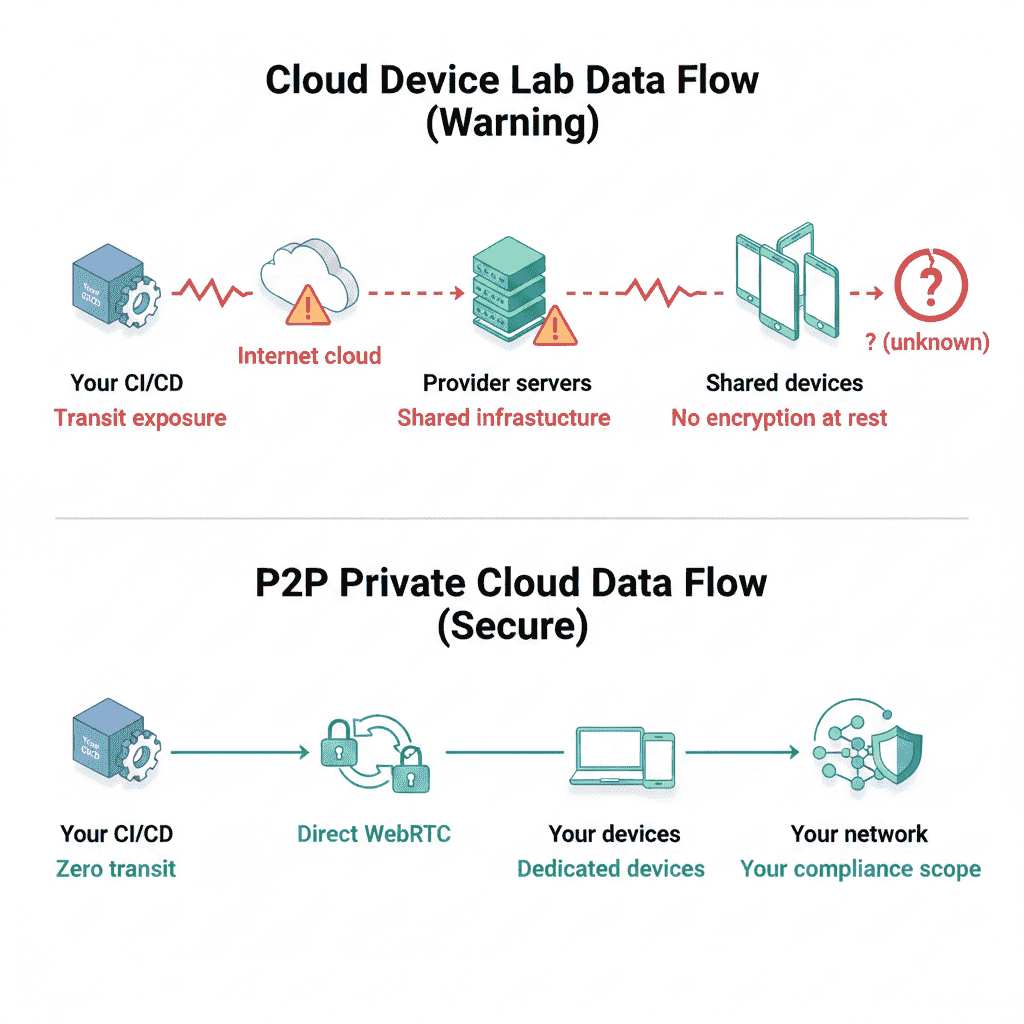
Why Fintech Teams Can't Use BrowserStack
PCI DSS Requirement 6.4.3 prohibits production data in test environments. What compliant fintech teams actually use instead.
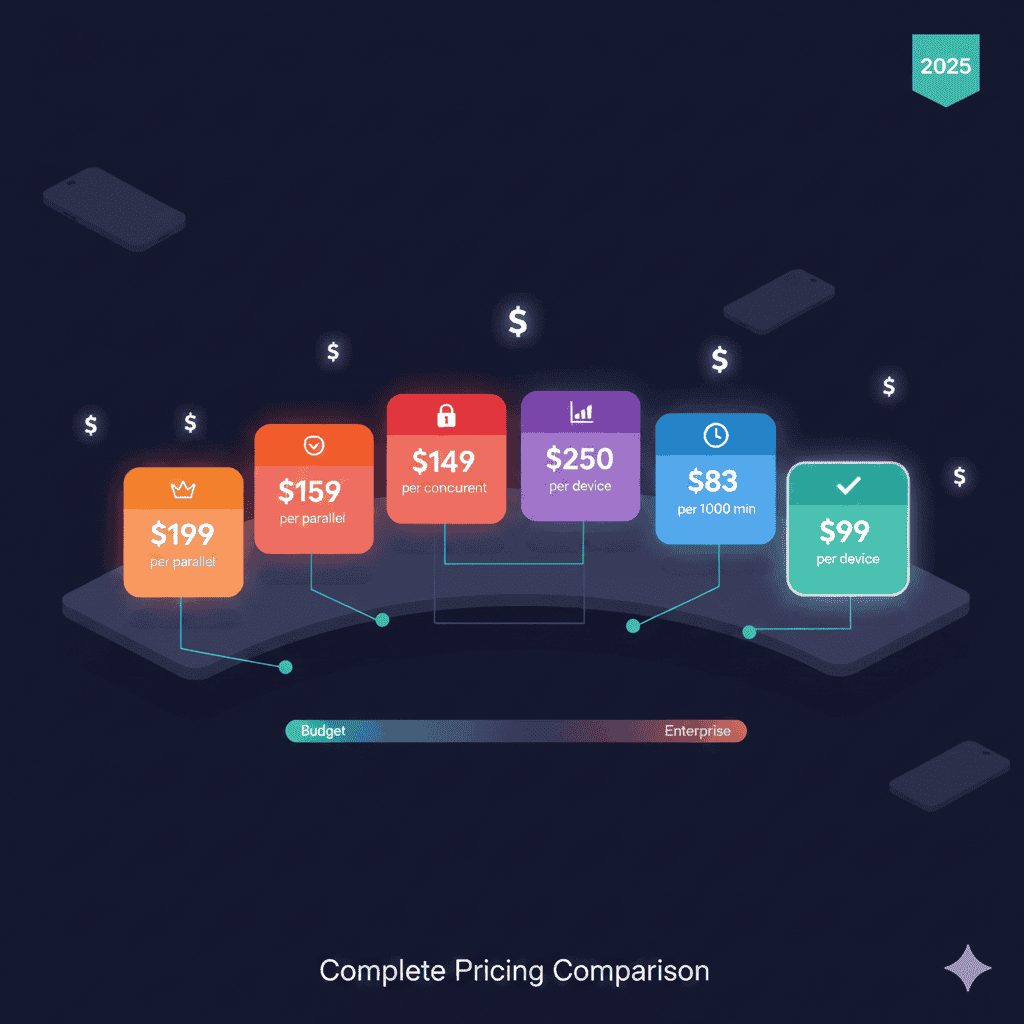
Mobile Testing Cloud Pricing: 7 Compared
BrowserStack, LambdaTest, Sauce Labs, HeadSpin, Kobiton, and AWS Device Farm—real pricing data and hidden costs compared.
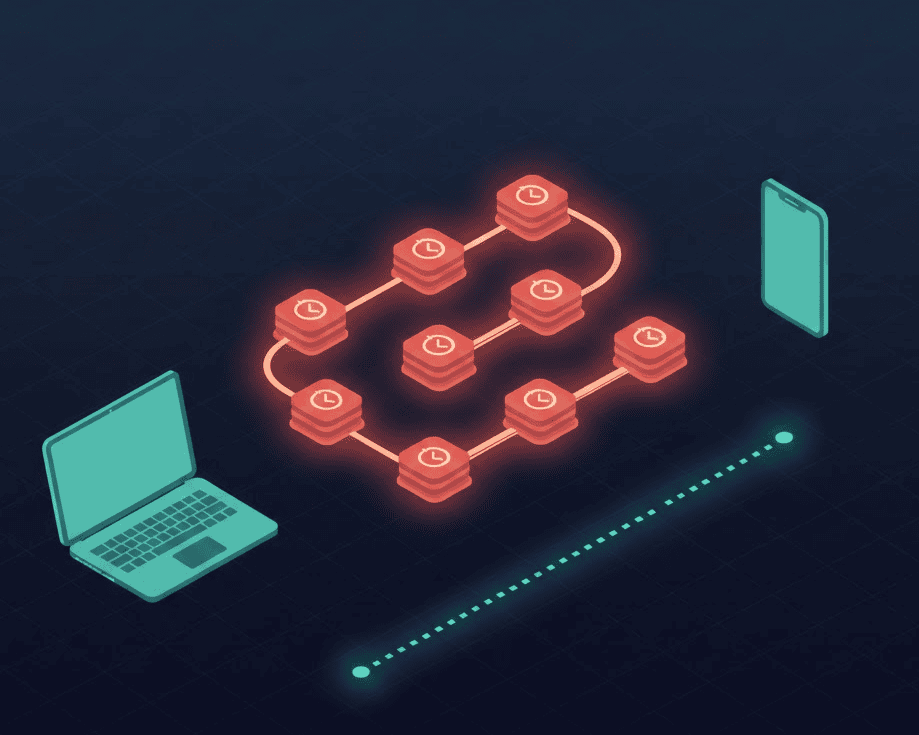
Sauce Connect Running Slow? TCP Meltdown
Your Selenium tests run fine locally. But the moment you route them through Sauce Connect, everything slows to a crawl.
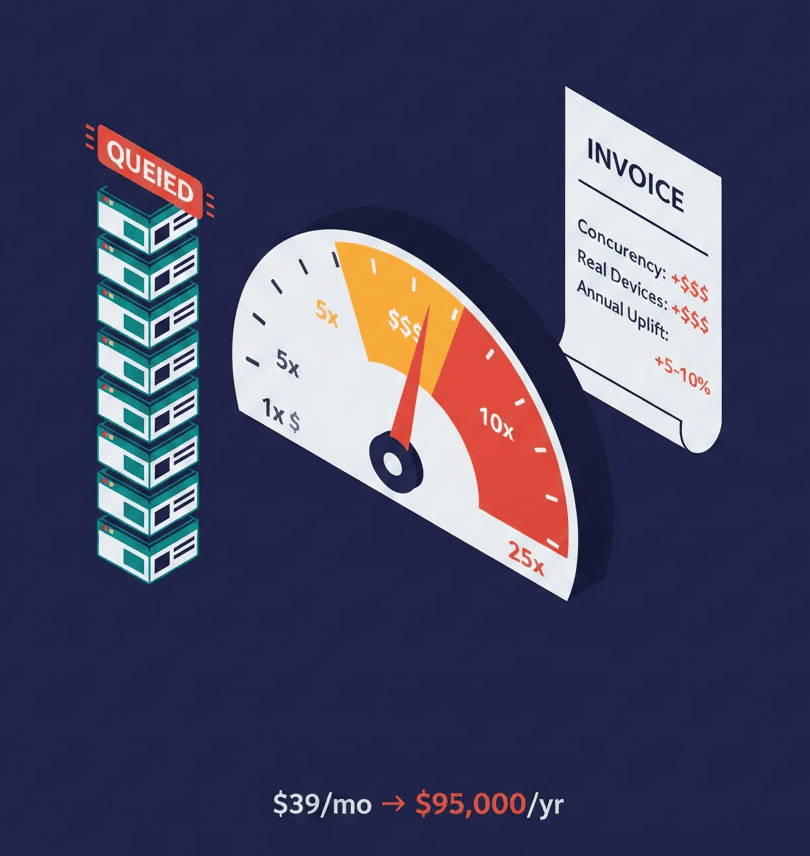
Sauce Labs Pricing: Virtual vs Real Devices
Sauce Labs pricing looks straightforward—until you need more than one parallel test. Then the multiplication begins.

HeadSpin Pricing: Why Teams Are Shocked by the
HeadSpin's pricing page shows CloudTest Lite at $49/month. Here's what that actually gets you—and what enterprises really pay.
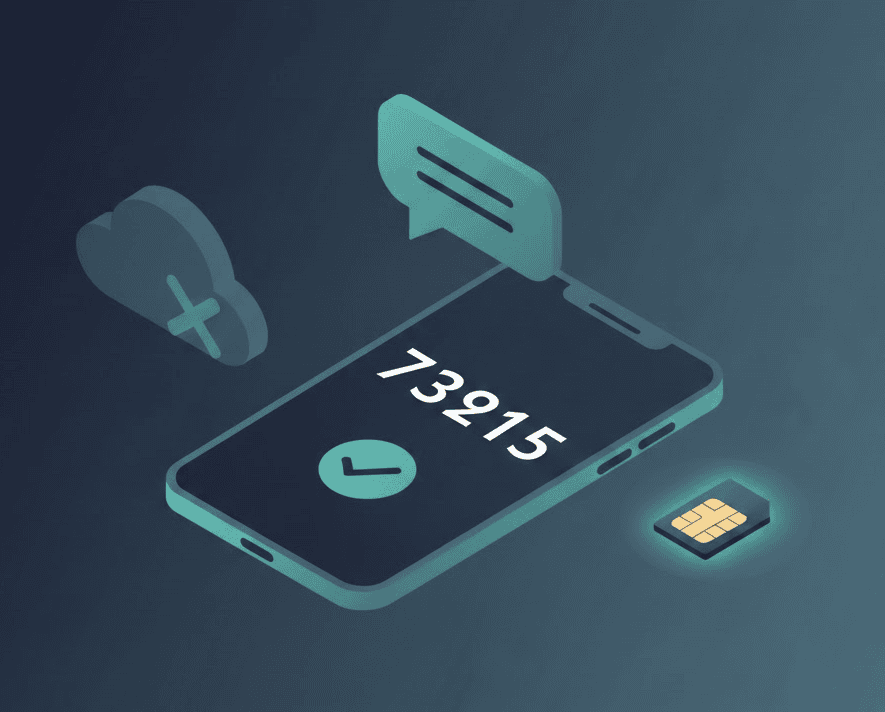
Testing OTP/SMS/2FA on Mobile Devices: Guide
Your staging environment uses 123456 as the OTP. Tests pass. CI is green. Then production users complain: 'I never received the code.'
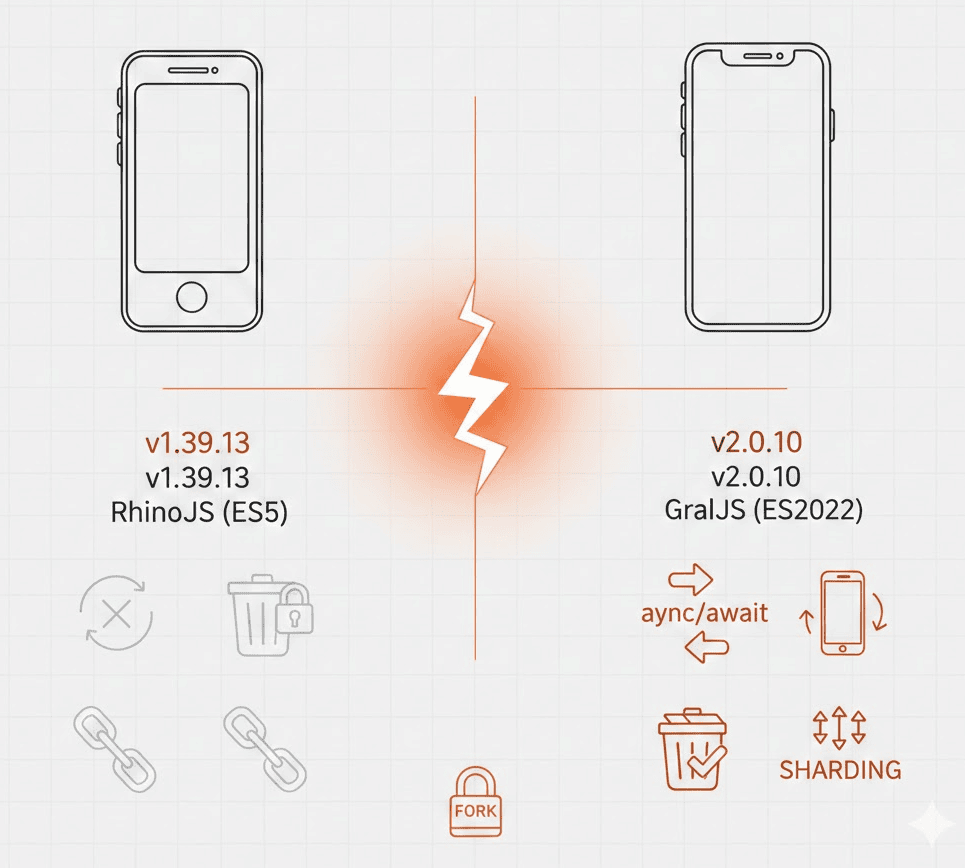
BrowserStack Maestro Is 6 Months Behind—Here's
BrowserStack runs a forked Maestro 1.39.13. Open-source is at 2.0.10. Here's what that means for your tests.
BrowserStack Local Dropping? 5 Real Fixes
Your CI pipeline failed again. The error log says 'BrowserStack Local connection dropped.' You're not alone.
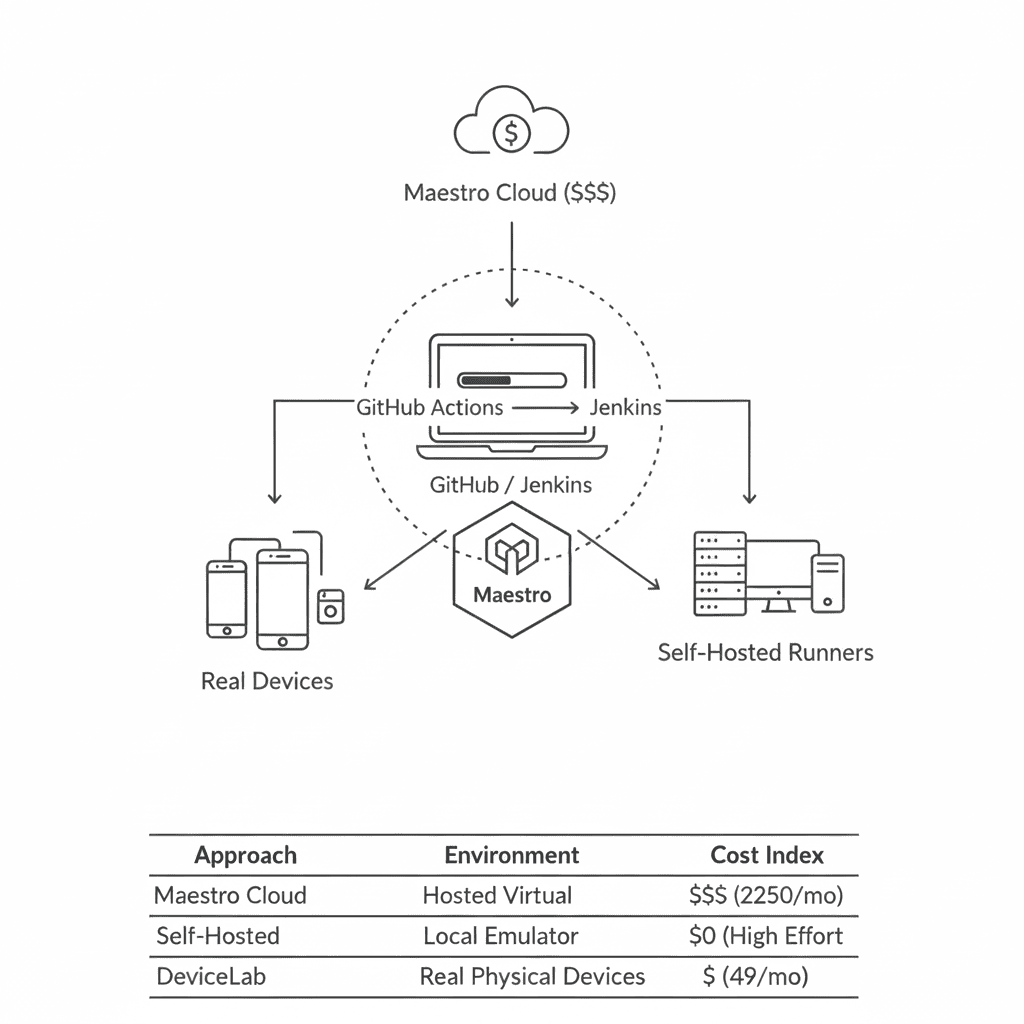
Maestro CI/CD Setup: GitHub Actions + Jenkins
Maestro Cloud costs $250/device/month. Here's how to run Maestro in CI using your own devices—for free.
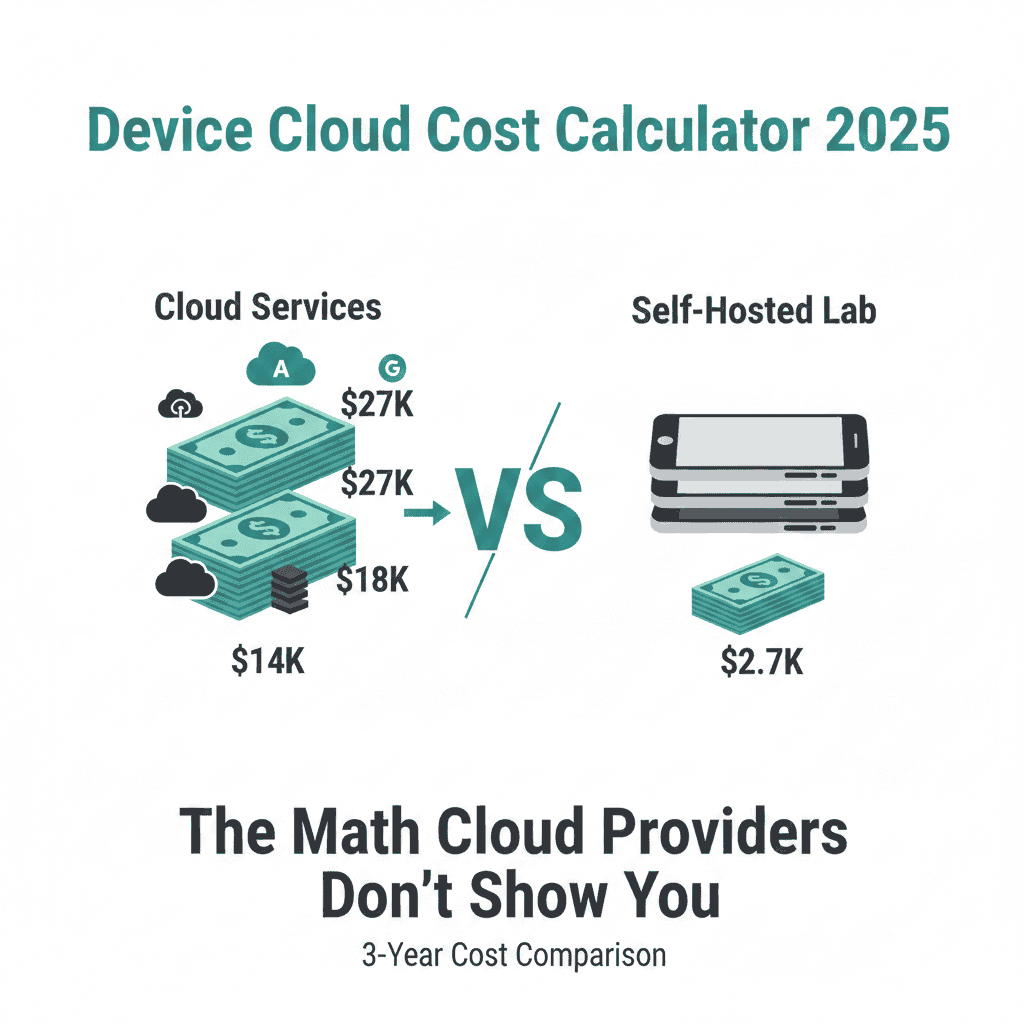
Device Lab Cost Calculator: Cloud vs Own
Everyone publishes pricing pages. Nobody does the math. Here's your actual cost comparison with real numbers.
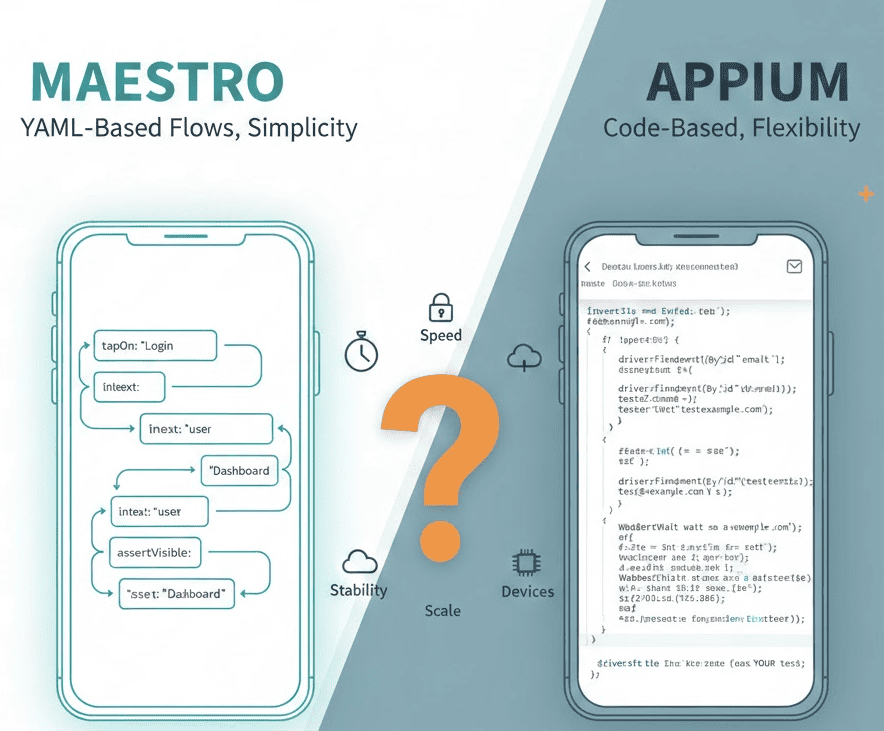
Maestro vs Appium: 10x Faster, With Caveats
Maestro runs 10x faster with simpler syntax. But iOS support is limited. Here's the complete picture.
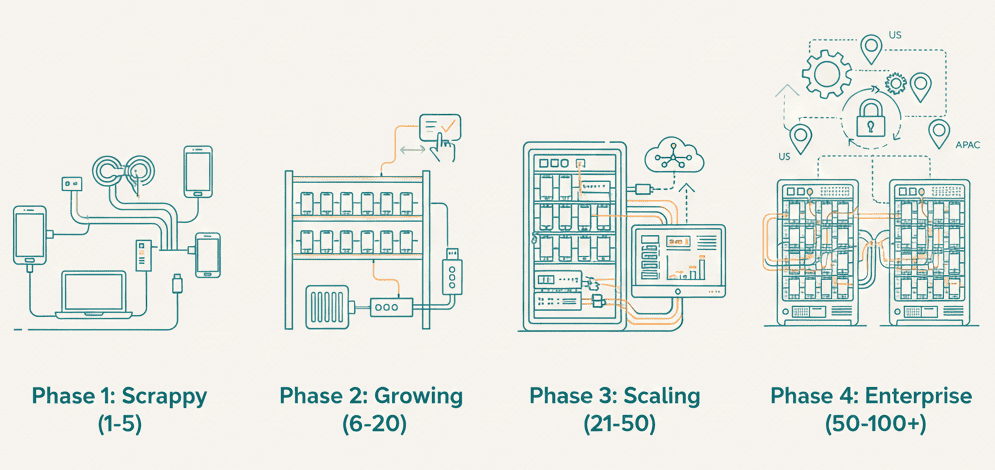
Scaling Mobile Test Infrastructure: From 10 to
The playbook for each growth phase—from your first device to a production-grade device lab.
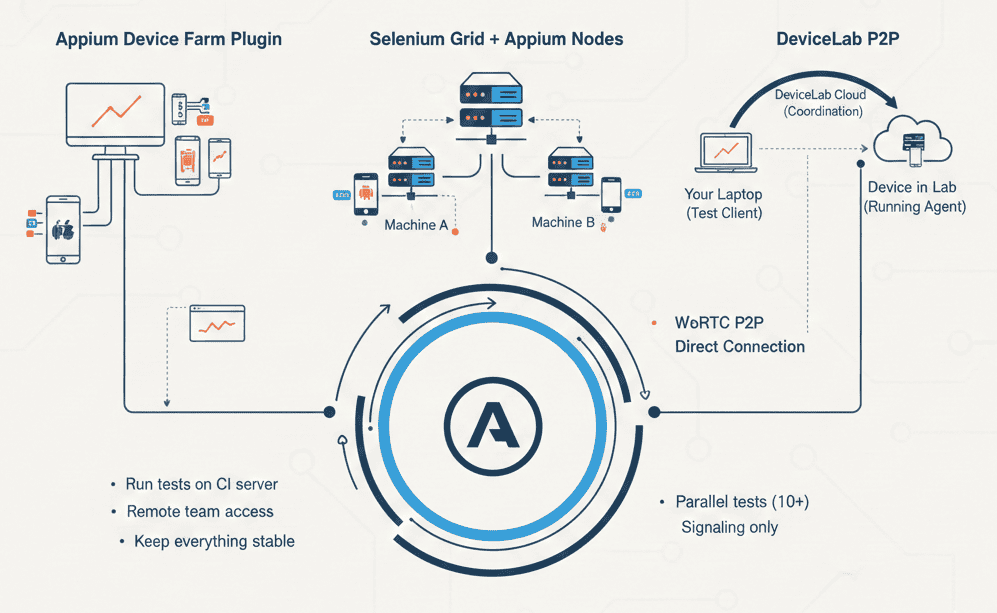
Appium Distributed Testing: Run Tests Across
Run Appium tests across devices in multiple locations. Three approaches with full code examples.
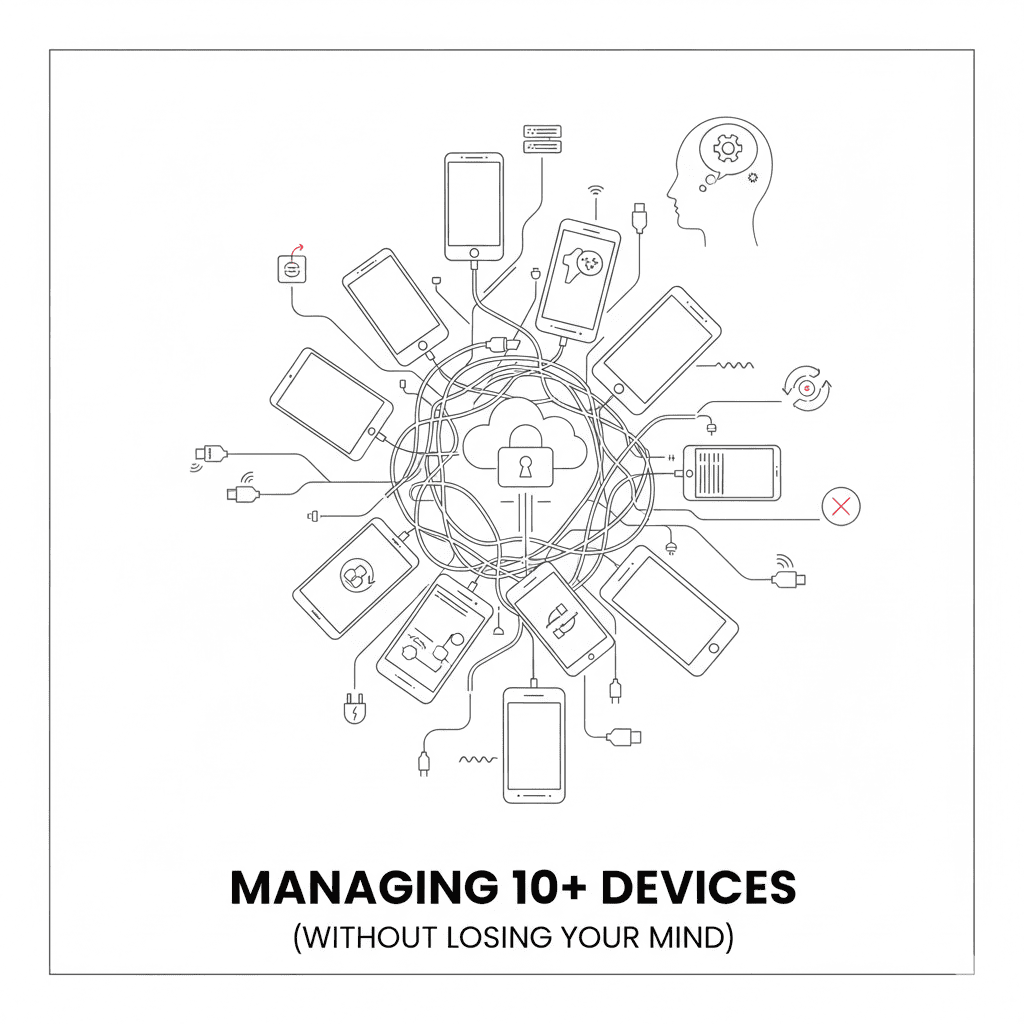
Managing 50+ Test Devices: Automation
USB disconnects, device state drift, parallel test conflicts—here's how to actually scale your device lab.
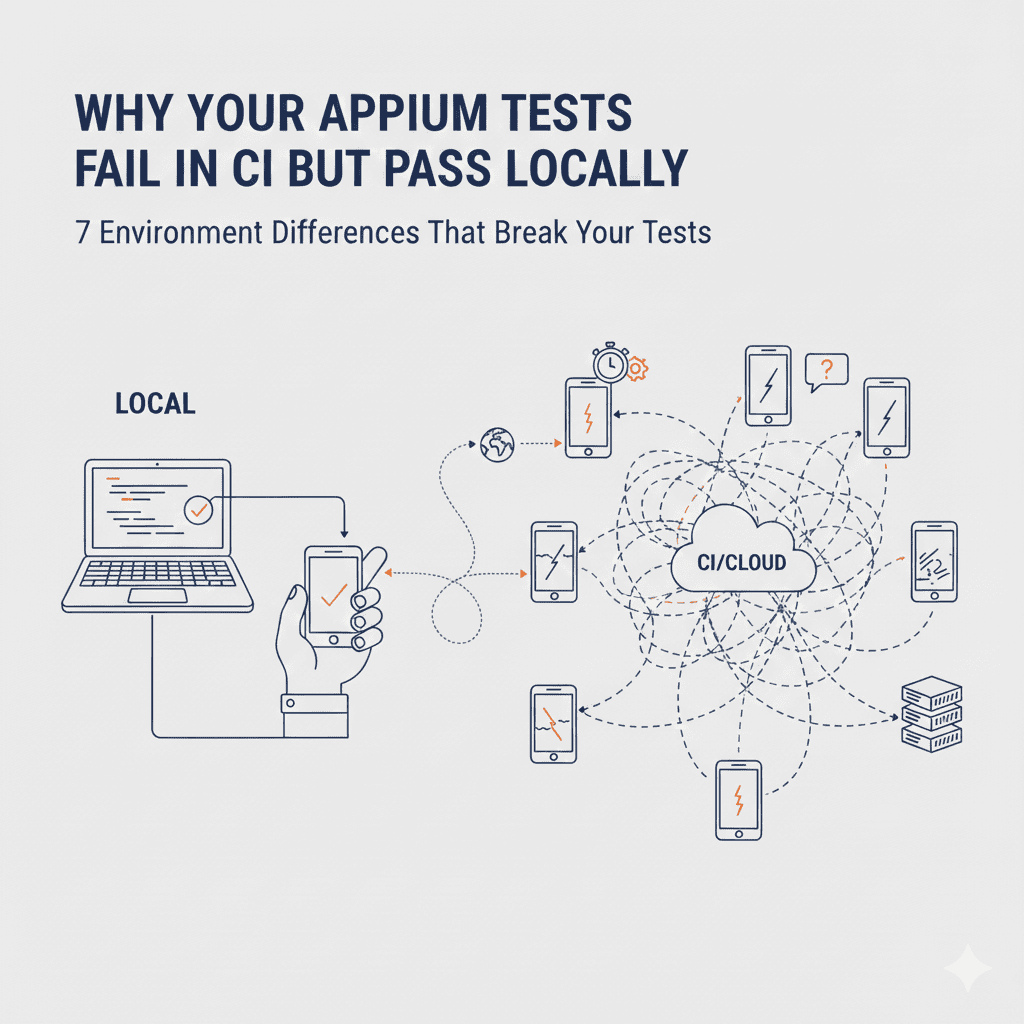
Appium Tests Fail in CI But Pass Locally?
7 environment differences that break your Appium tests in CI and how to fix each one with code examples.
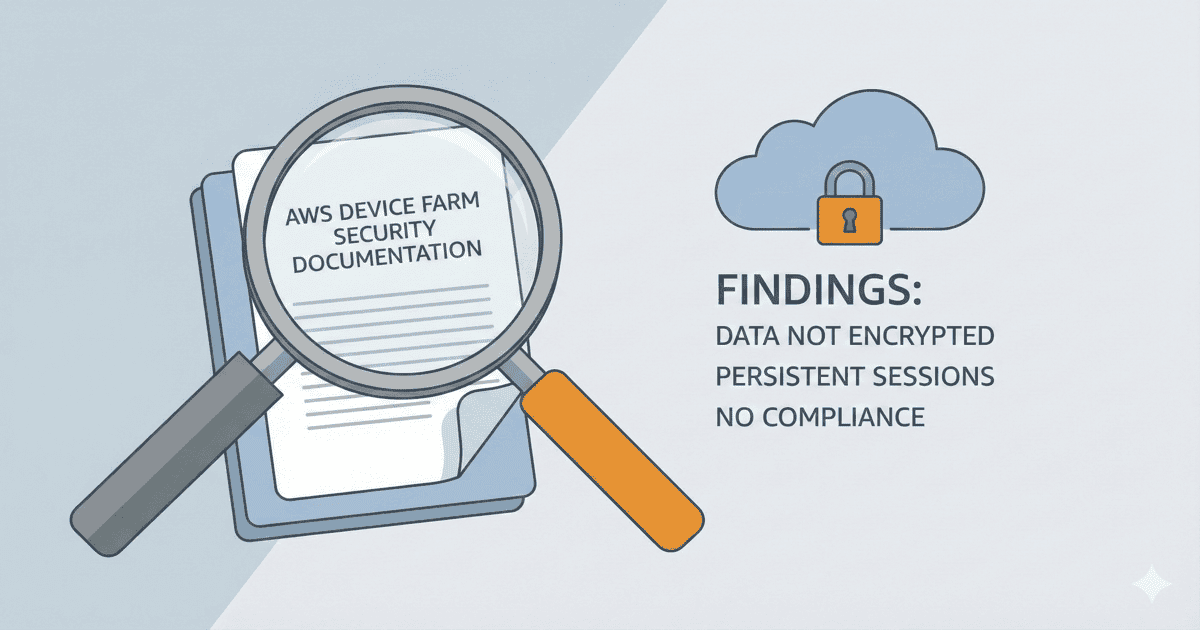
AWS Device Farm Security: What Happens to App
Data not encrypted at rest. May persist between sessions. Not in scope for compliance. AWS says it themselves.
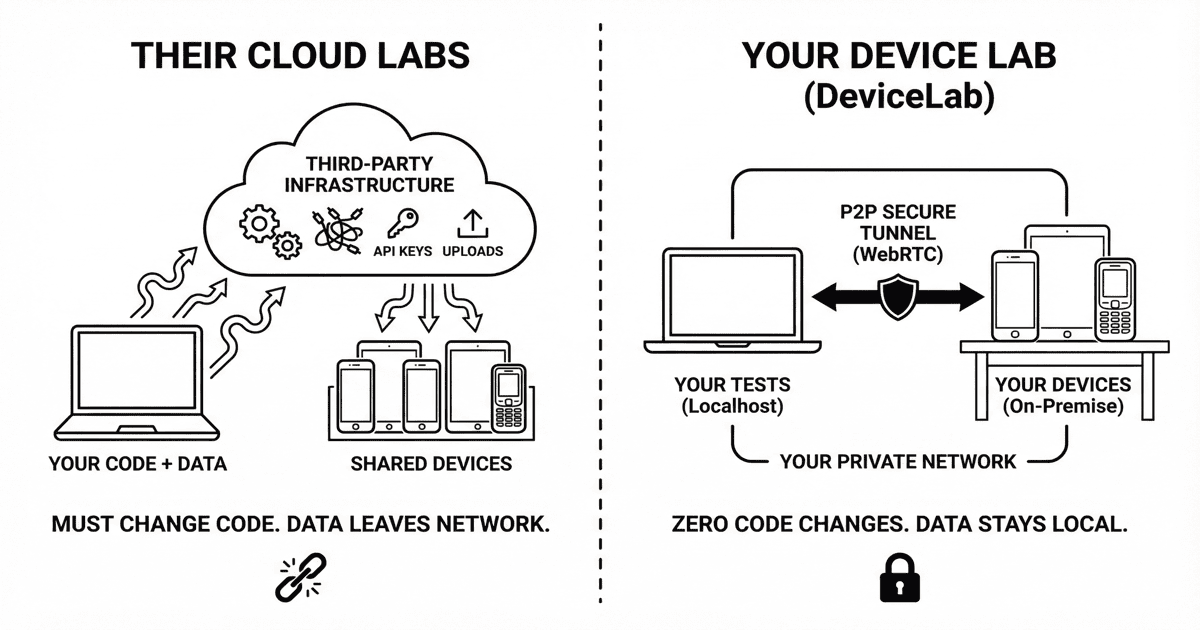
Why Cloud Testing Requires Code Changes (And
Your tests work locally. Why rewrite them for cloud device labs? Your devices, your network, zero code changes.
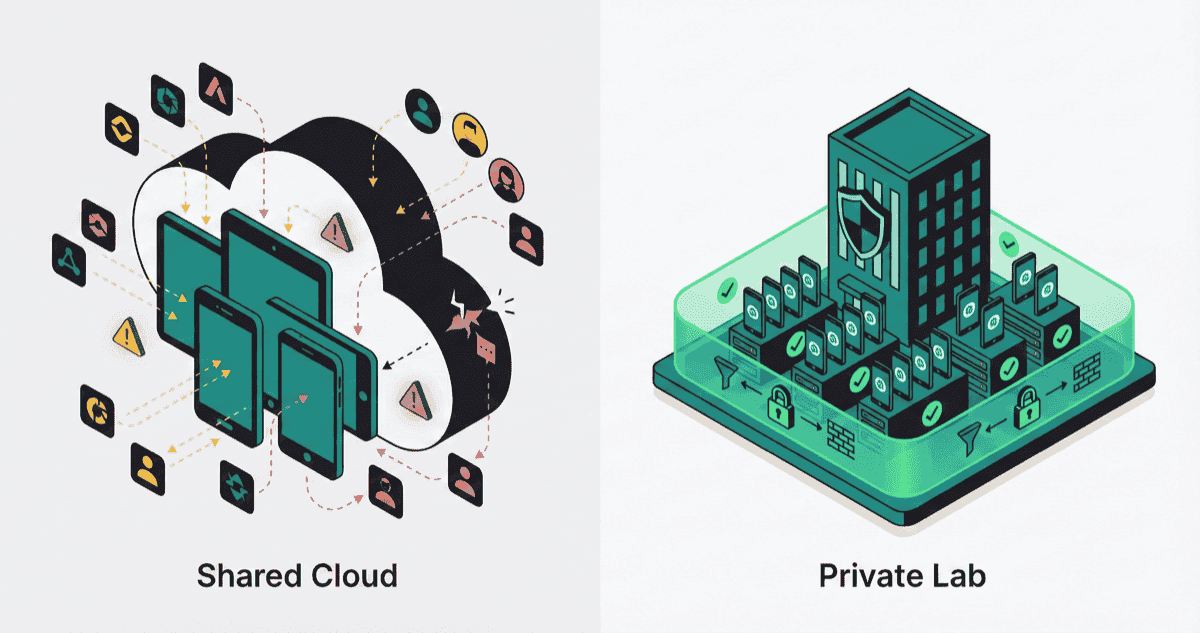
Why Fortune 500 Teams Build Private Device Labs
AWS warns against sensitive data. BrowserStack has been breached twice. Here's why enterprises build private device labs.
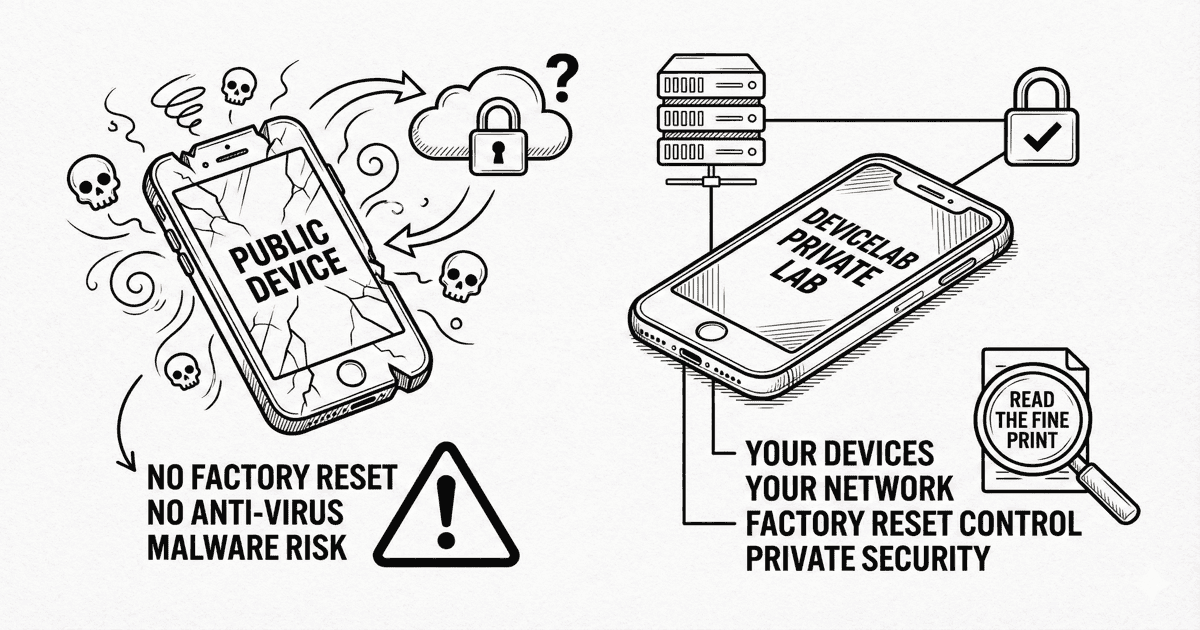
Sauce Labs Security: What Happens to Test Data?
No factory reset. No anti-virus. 'Malware could be present.' Sauce Labs says it themselves.
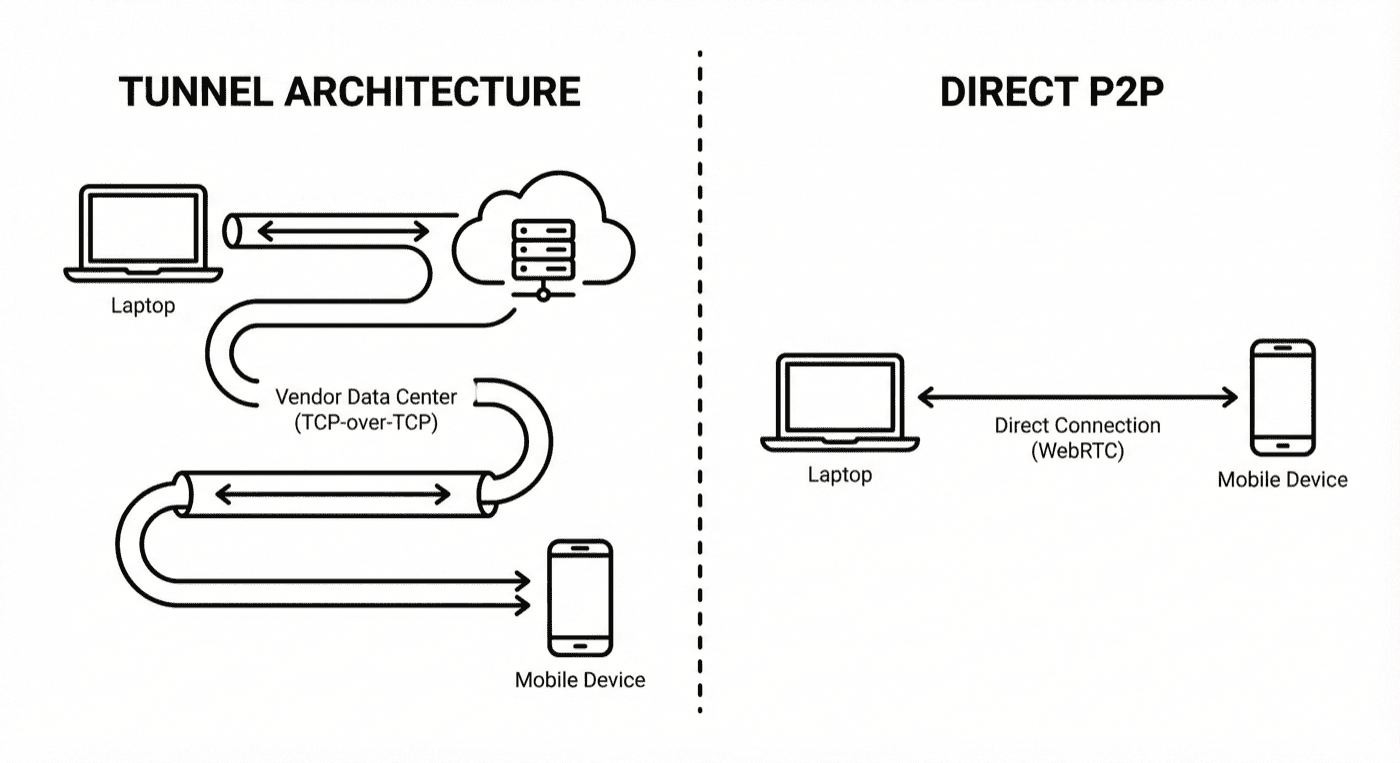
Localhost Testing Without Tunnels: How-To
Cloud device testing tunnels are slow and flaky. Here's the computer science behind TCP meltdown — and a better approach.
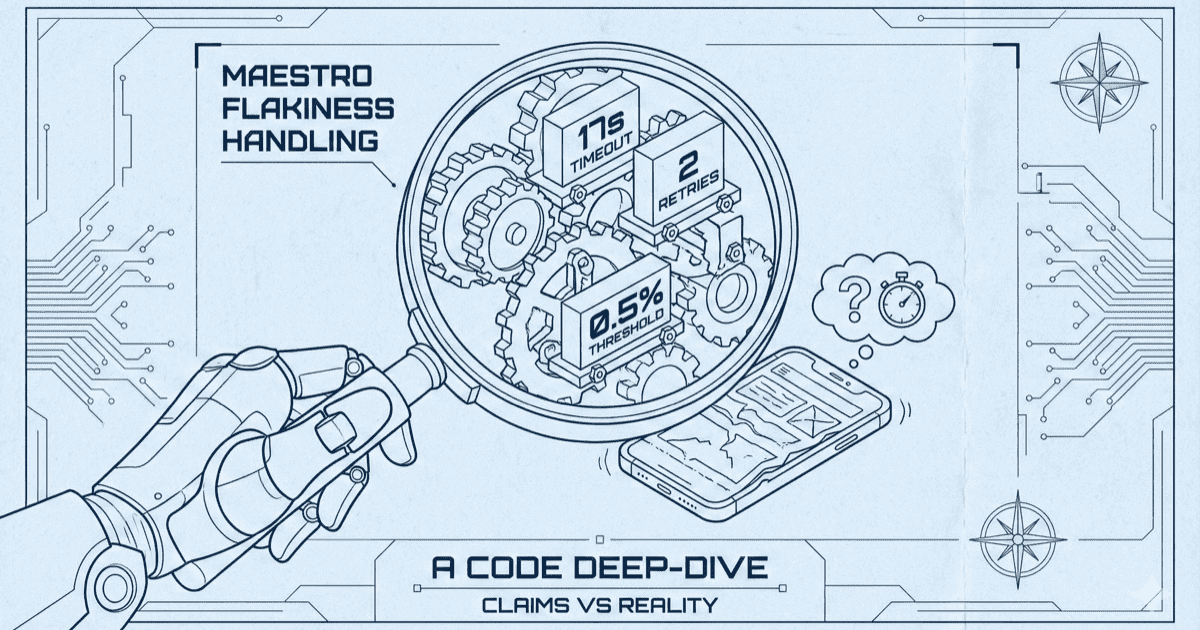
Maestro Flakiness: Deep Dive Into the Source
We analyzed Maestro's source code to see what 'built-in flakiness handling' actually means. Hardcoded timeouts, limited retries, and no configuration.
Run BrowserStack-Quality Tests on Own Devices
Build a private device testing cloud using your own hardware. No rentals, no tunnels, no third-party uploads.
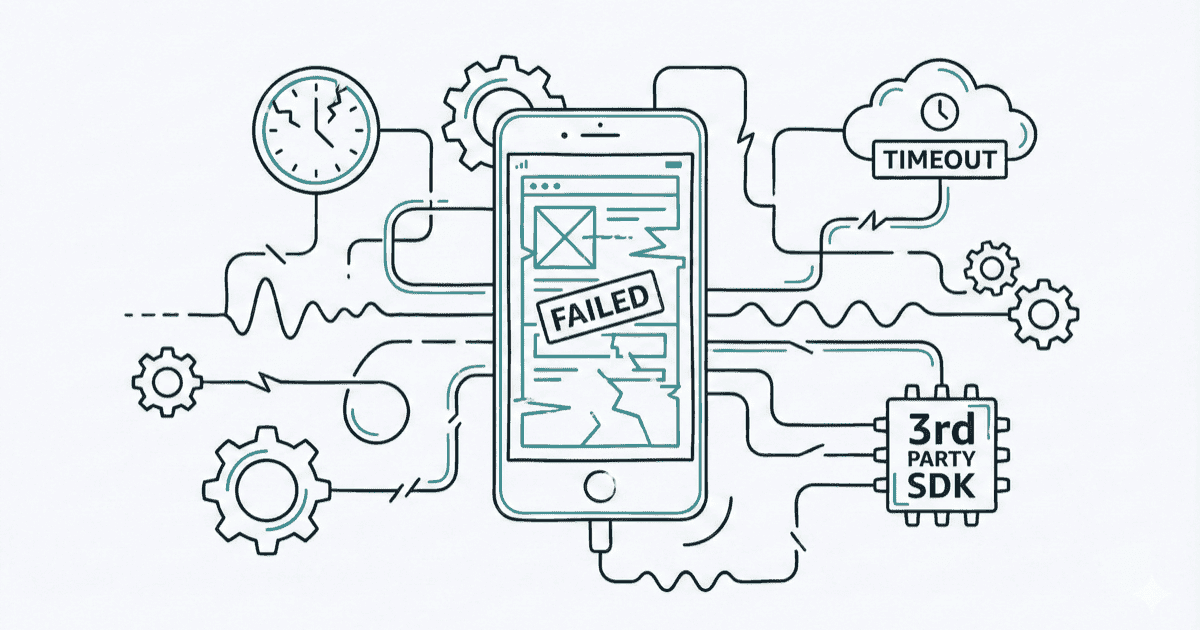
Maestro's Built-In Retry Isn't Enough—Here's
Real scenarios where Maestro's 'automatic' handling breaks down: slow CI, complex animations, third-party SDKs.
Maestro's Open GitHub Issues: 47 Flakiness
Real Maestro users reporting real problems: timeouts ignored, assertions failing on visible elements, taps that don't work.
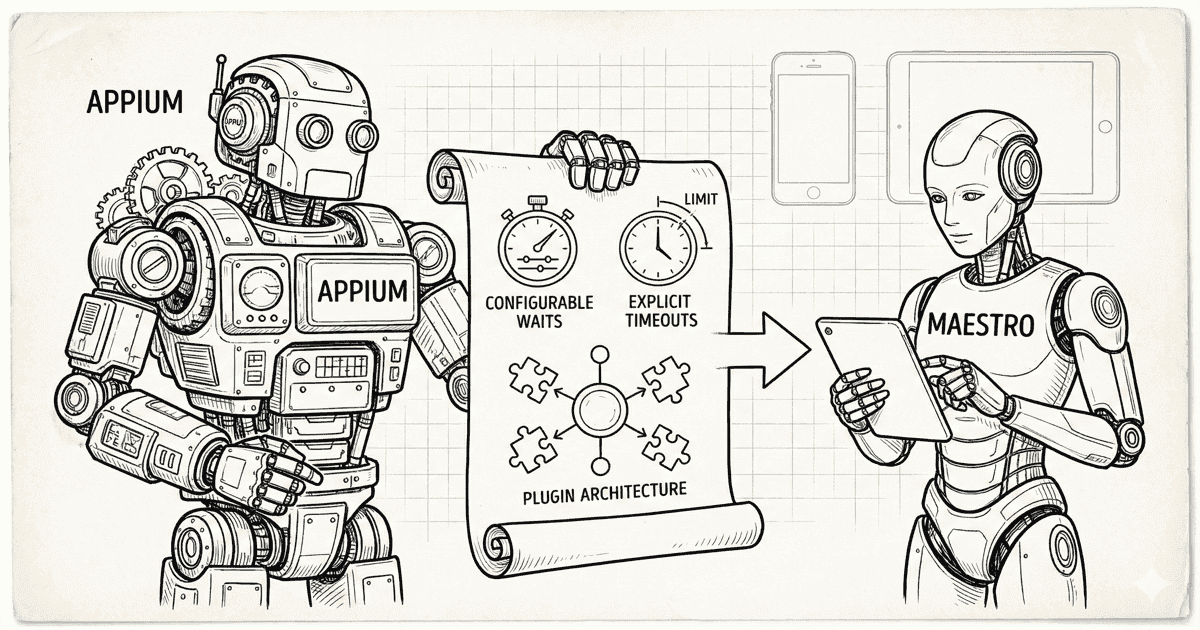
What Maestro Learned from Appium's Mistakes
10+ years of battle-tested patterns: configurable waits, explicit timeouts, plugin architecture.
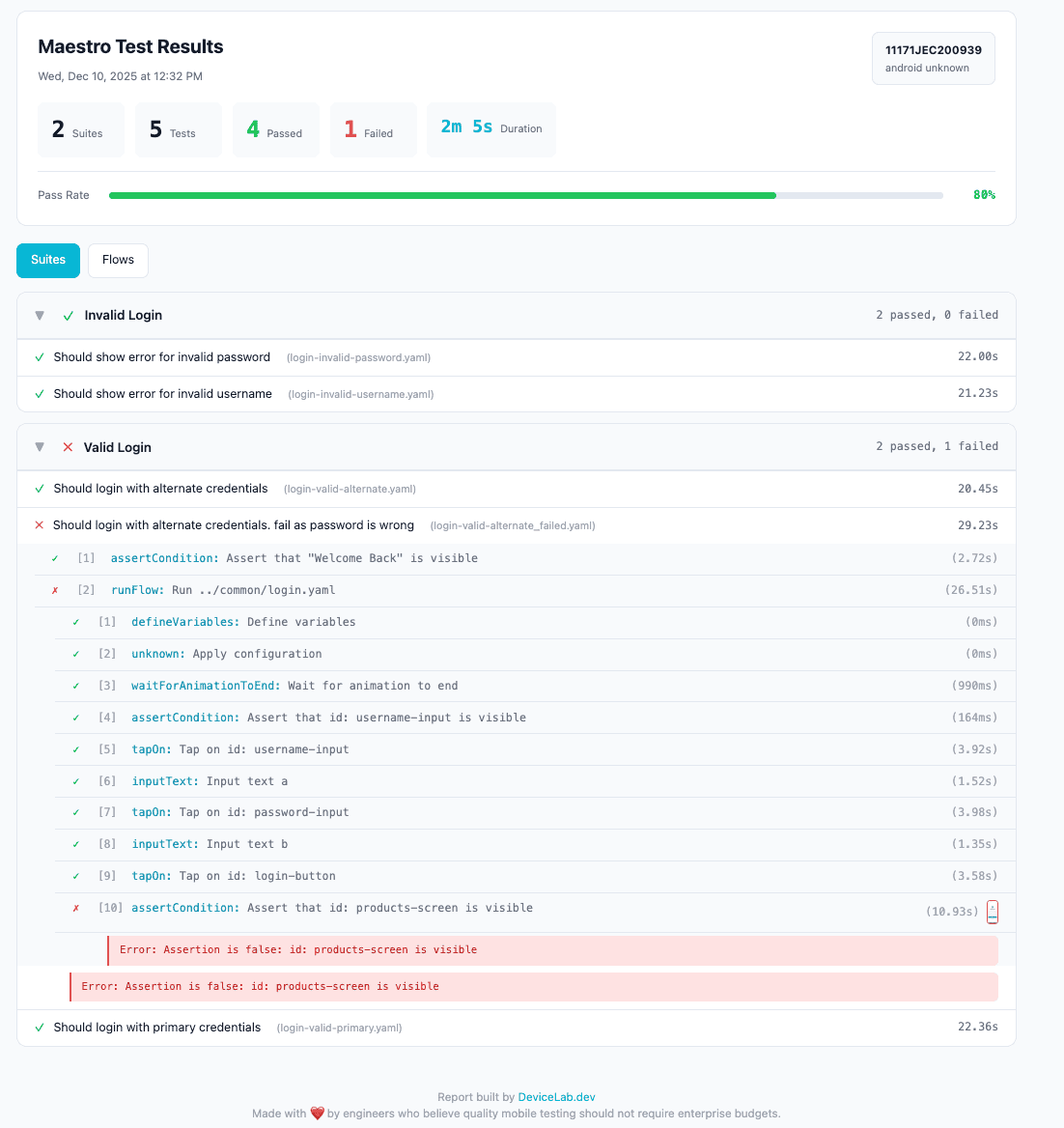
Maestro Reports Are Broken—How to Get JUnit,
Maestro's native reporting is bare-bones. Here's a solution that adds proper reports.
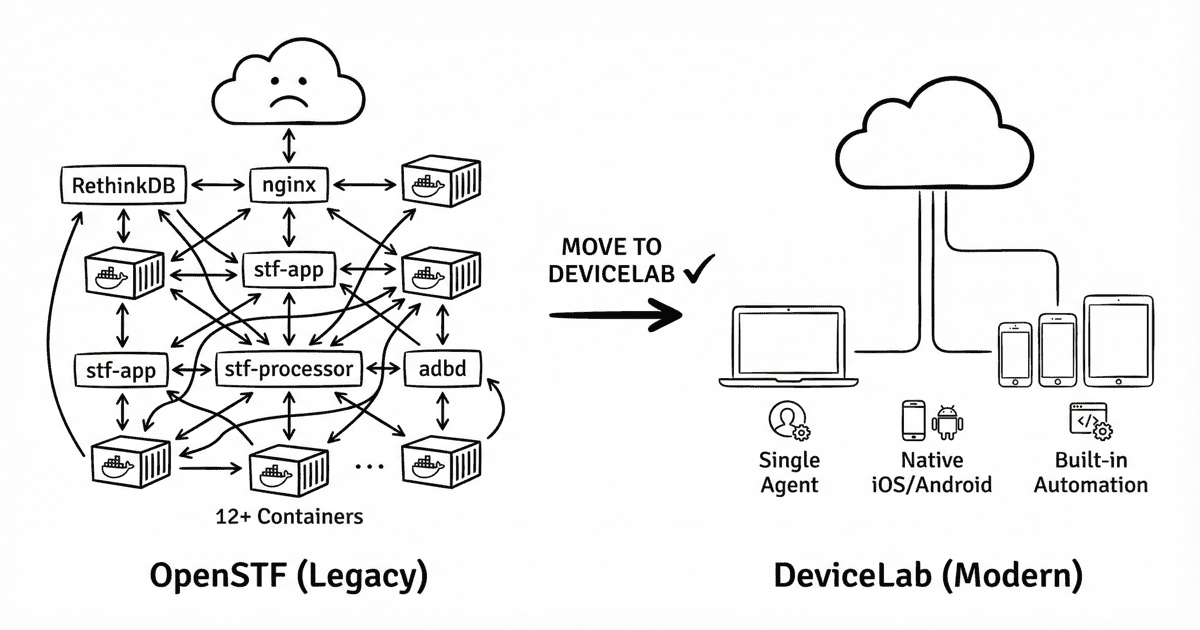
OpenSTF & DeviceFarmer Alternatives in 2026
OpenSTF stopped at Android 9. DeviceFarmer is volunteer-maintained. Zero-trust P2P with native iOS and built-in test automation.
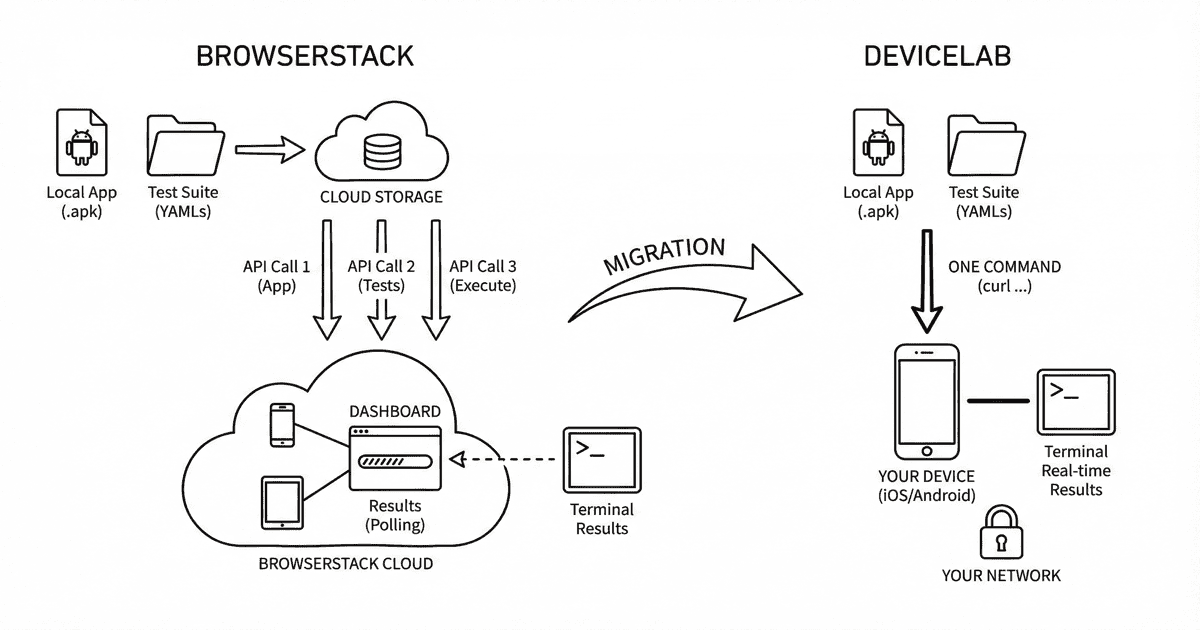
Migrate from BrowserStack Maestro to Local
Stop uploading apps and making 3 API calls. Run Maestro flows on your own devices with one command.
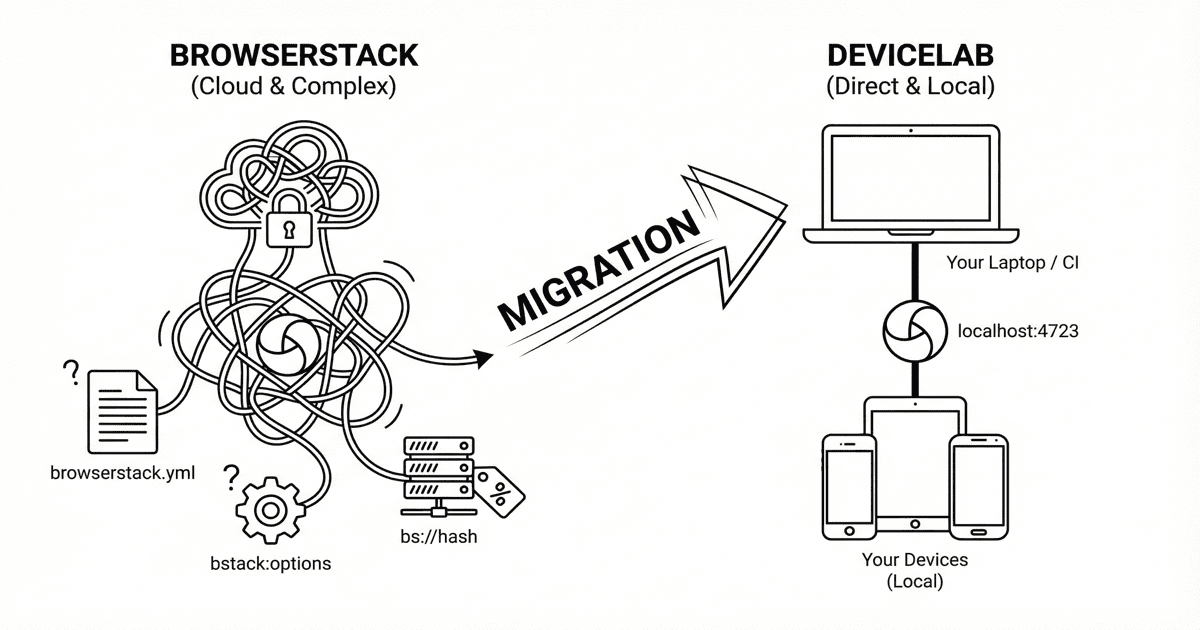
Migrate from BrowserStack to Local Appium
Stop wrestling with browserstack.yml and bstack:options. Run Appium tests on your own devices.
DeviceLab: Run Mobile Tests on Own Devices
Set up DeviceLab and run your first automated test on a real Android or iOS device in under 10 minutes.
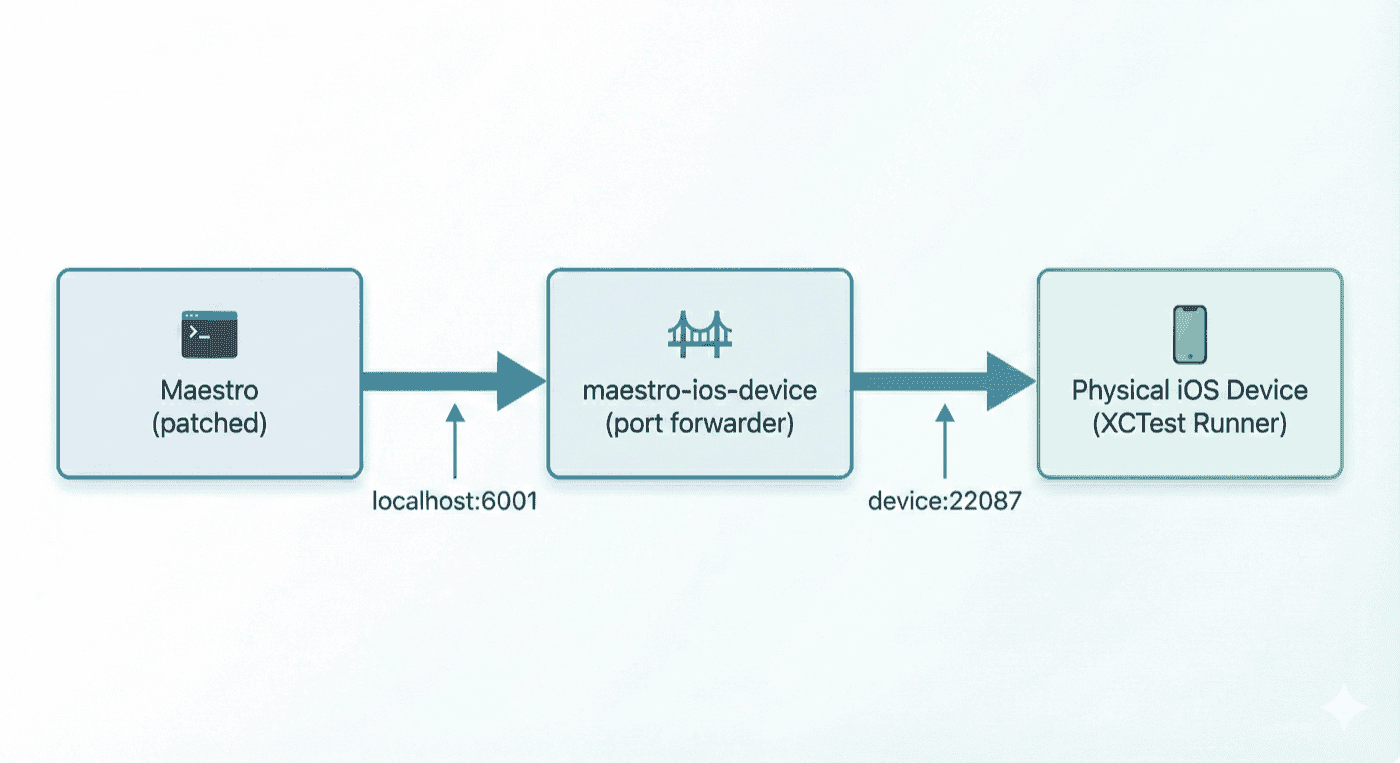
Maestro on Real iOS Devices: The Complete Guide
Maestro doesn't officially support physical iPhones. Here's a working solution.